On this page
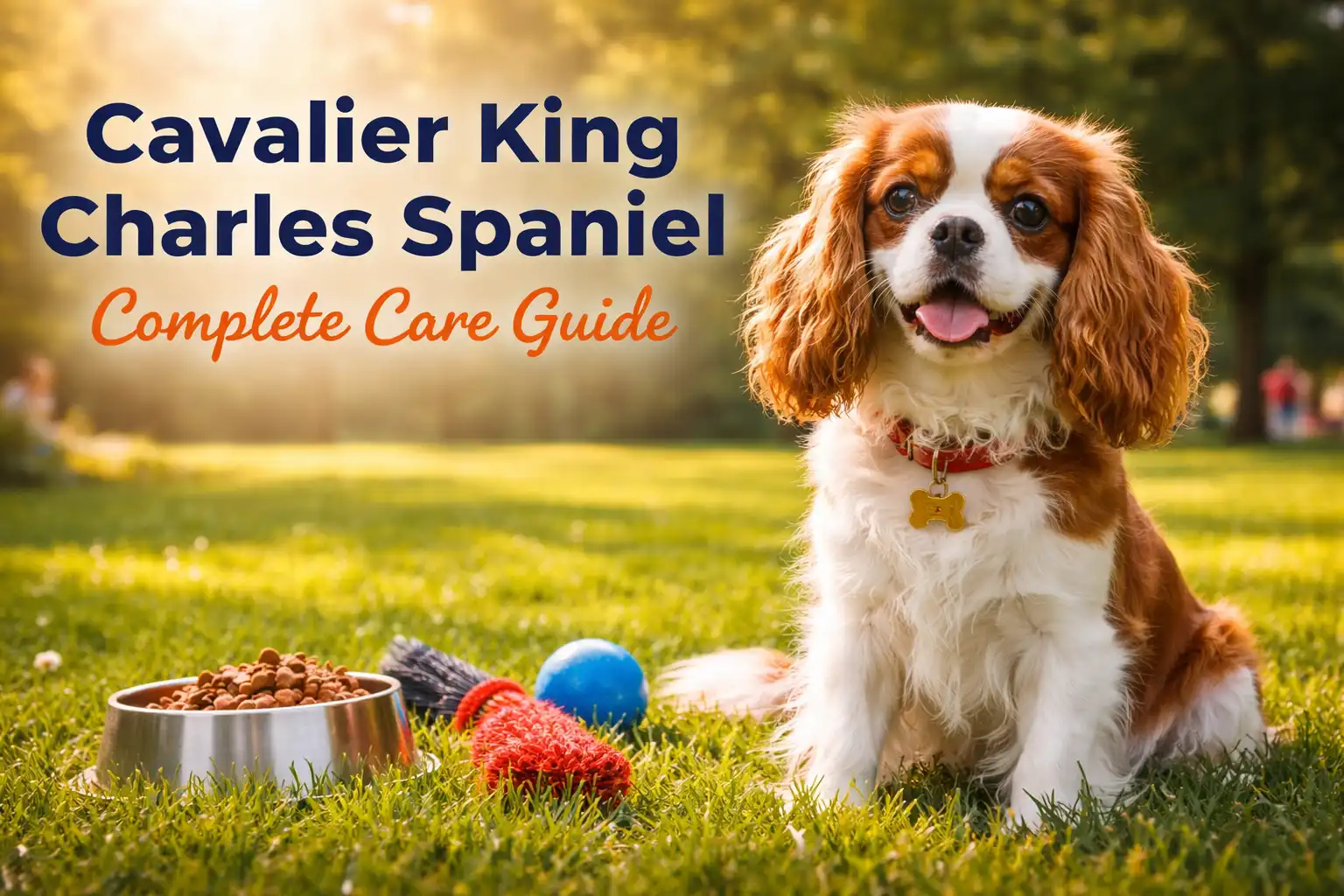
The Cavalier King Charles Spaniel is a small companion dog known for its gentle temperament, affectionate personality, silky coat, and expressive eyes. This Cavalier King Charles Spaniel guide explains the breed’s size, lifespan, temperament, exercise needs, grooming requirements, health concerns, and overall care so owners can understand whether this breed is the right fit for their home.
Cavaliers are often described as loving lapdogs with a playful side. They usually enjoy being close to their family, meeting new people, and joining in light daily activities. Because they are friendly, adaptable, and people-focused, they can suit families with children, seniors, apartment owners, and first-time dog owners when their daily care needs are met.
If you already have a Cavalier or are planning to adopt one, it is also helpful to understand how their age compares to human years. You can use the Cavalier Charles Dog Age Calculator to estimate your dog’s age stage and plan age-appropriate care.
The breed originated in England and is closely connected with royal companion spaniels, especially those associated with King Charles II. Over time, Cavaliers became popular because of their affectionate nature, elegant appearance, and ability to live comfortably as indoor family companions.
Adult Cavalier King Charles Spaniels usually weigh between 13 and 18 pounds and stand around 12 to 13 inches tall at the shoulder. Their medium-length coat is soft and silky, with feathering on the ears, chest, legs, and tail. The four common coat colors are Blenheim, Tricolor, Black & Tan, and Ruby.
Here is a quick breed snapshot for the Cavalier King Charles Spaniel:
| Trait | Cavalier King Charles Spaniel Details |
|---|---|
| Breed Group | Toy / companion dog |
| Adult Size | Small dog, about 12-13 inches tall |
| Adult Weight | Usually 13-18 pounds |
| Coat Type | Silky, medium-length coat with feathering |
| Common Colors | Blenheim, Tricolor, Black & Tan, Ruby |
| Typical Lifespan | About 10-14 years |
| Temperament | Affectionate, gentle, playful, sociable |
| Exercise Needs | Moderate daily walks and playtime |
| Best For | Families, seniors, apartments, first-time owners, companion homes |
Cavalier King Charles Spaniel Temperament, Personality & Suitability
The Cavalier King Charles Spaniel temperament is one of the breed’s biggest strengths. Cavaliers are usually affectionate, gentle, friendly, playful, and highly people-oriented. They tend to enjoy human companionship and often prefer staying close to their owners rather than spending long periods alone.
Most Cavaliers do well with children, visitors, and other pets when properly socialized. They are not usually intense guard dogs, but they may bark to alert their family when someone comes to the door. Their soft temperament makes them easier to manage than many more independent or high-drive breeds.
This breed is a strong match for people who want a loving companion dog rather than a highly demanding working breed. Cavaliers can be a good choice for first-time dog owners, seniors, and apartment households, as long as they receive attention, gentle training, regular grooming, and daily movement.
The main downside of the Cavalier’s personality is that many become very attached to their people. Some Cavaliers may struggle with separation anxiety if they are left alone too often or for too long. Owners should build independence slowly with calm routines, short alone-time practice, and positive reinforcement.
Here is how suitable Cavaliers are for different households:
| Household Type | Suitability | Why It Fits |
|---|---|---|
| Families with kids | Excellent | Gentle, playful, and affectionate when supervised properly |
| First-time owners | Good | Eager to please and usually responsive to gentle training |
| Apartment living | Good | Small size and moderate exercise needs make them adaptable |
| Seniors | Good | Calm companion nature with manageable daily activity |
| Very active owners | Moderate | Enjoys walks and play but is not a high-endurance breed |
| Multi-pet homes | Excellent | Usually sociable with other dogs and pets when introduced well |
Overall, Cavaliers are best for homes where they receive daily companionship, kind handling, and consistent routines. They are affectionate dogs that thrive when treated as part of the family.
Cavalier King Charles Spaniel Age in Human Years
Understanding a Cavalier King Charles Spaniel’s age in human years can help owners adjust care, exercise, diet, training, and health monitoring at the right time. Like many small dog breeds, Cavaliers often mature quickly in the first two years and then age more gradually as adults.
A young Cavalier may need more training, socialization, and controlled play, while an adult Cavalier usually benefits from steady routines, daily walks, grooming, and weight management. Senior Cavaliers may need gentler exercise, more frequent vet checks, dental care, and closer attention to heart health, mobility, and energy levels.
Here is a simple age-stage guide for Cavalier King Charles Spaniels:
| Cavalier Age | Life Stage | Care Focus |
|---|---|---|
| 0-12 months | Puppy | Socialization, basic training, safe play, puppy diet |
| 1-2 years | Young adult | Routine building, exercise habits, grooming consistency |
| 3-7 years | Adult | Weight control, dental care, daily walks, preventive vet care |
| 8+ years | Senior | Heart monitoring, joint comfort, gentler exercise, senior vet checks |
This age-stage view is especially useful because Cavaliers can have different needs as they move from puppyhood to adulthood and then into their senior years. Matching care to life stage helps support better comfort, healthier routines, and long-term quality of life.
Cavalier King Charles Spaniel Exercise, Training & Grooming Needs
Cavalier King Charles Spaniels have moderate exercise needs. Most adult Cavaliers do well with daily walks, short play sessions, and light mental enrichment. A common routine is around 30 to 60 minutes of total daily activity, depending on the dog’s age, fitness level, health, and energy.
For many Cavaliers, this can include one or two short walks, indoor play, gentle fetch, sniffing games, or simple training practice. Puppies, seniors, and dogs with health concerns may need shorter, easier sessions. Avoid forcing intense exercise, especially in hot weather or if the dog shows signs of tiredness, discomfort, coughing, or breathing difficulty.
Training a Cavalier is usually easier when sessions are short, positive, and reward-based. This breed often responds well to praise, treats, and gentle repetition. Harsh correction is not a good match for their sensitive personality and can reduce confidence.
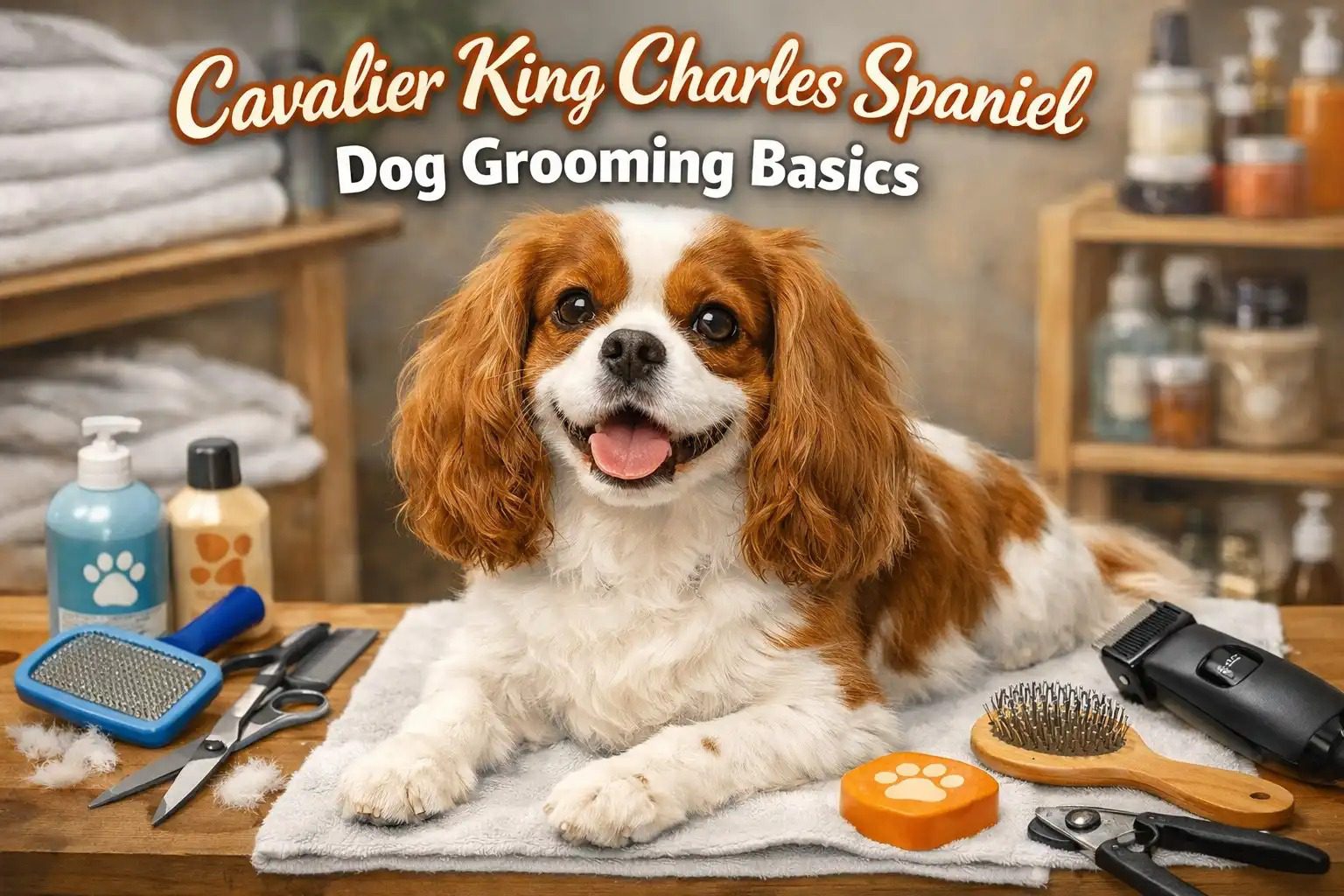
Grooming is also important because Cavaliers have a silky coat that can tangle, especially around the ears, chest, legs, and tail. Brushing several times per week helps reduce mats and loose hair. Their ears should be checked regularly, nails should be trimmed as needed, and teeth should be brushed consistently to support long-term health.
Here is a quick view of their main care needs:
| Care Type | Recommended Routine | Owner Tip |
|---|---|---|
| Exercise | Daily walks and play, often 30-60 minutes total | Split activity into shorter sessions if needed |
| Training | Short, positive sessions several times per week | Use treats, praise, and calm repetition |
| Grooming | Brush several times per week | Focus on ears, feathering, chest, and tail |
| Dental Care | Brush teeth regularly | Small breeds can be prone to dental buildup |
| Ear Care | Check ears weekly | Long ears can trap moisture and debris |
A balanced routine of exercise, training, grooming, and companionship helps Cavaliers stay healthier, calmer, and easier to manage at home.
Cavalier King Charles Spaniel Health, Lifespan & Common Issues
The typical Cavalier King Charles Spaniel lifespan is around 10 to 14 years, although individual dogs may live shorter or longer depending on genetics, preventive care, diet, weight, exercise, and veterinary support. Because this breed can be prone to certain inherited health problems, responsible ownership should include regular checkups and early attention to warning signs.
One of the most important health concerns in Cavaliers is heart disease, especially mitral valve disease. Owners should also be aware of syringomyelia, eye conditions, ear problems, dental disease, and weight gain. Not every Cavalier will develop these issues, but the breed does require careful monitoring throughout life.
Preventive care matters at every age stage. A healthy diet, controlled portions, regular vet visits, dental care, parasite prevention, gentle exercise, and a healthy body weight can all support a better quality of life. Senior Cavaliers may need more frequent veterinary checks, adjusted exercise, and closer monitoring for changes in breathing, movement, appetite, or energy.
To understand your Cavalier’s current life stage in human years, use the Cavalier Charles Dog Age Calculator and compare it with your dog’s care needs.
Here’s a simple health checklist for Cavaliers:
| Health Area | Why It Matters | Recommended Owner Action |
|---|---|---|
| Heart health | Cavaliers can be prone to mitral valve disease, especially as they age | Schedule regular veterinary heart checks and monitor coughing, tiredness, or breathing changes |
| Neurological health | Some Cavaliers may develop syringomyelia or neck/spine discomfort | Watch for scratching, sensitivity, pain signs, or unusual movement |
| Eye health | Eye problems can affect comfort and quality of life | Ask your vet about eye checks if you notice cloudiness, redness, or vision changes |
| Dental health | Small companion dogs can develop tartar and gum problems | Brush teeth regularly and follow your vet’s dental-care advice |
| Weight management | Extra weight can increase stress on the heart, joints, and breathing | Use controlled portions, daily activity, and a healthy feeding routine |
| Senior care | Older Cavaliers may need adjusted exercise, diet, and monitoring | Use the Cavalier age calculator to understand life stage and plan care |
With proper care, many Cavaliers can enjoy a happy and comfortable life. The goal is not only to focus on lifespan, but also to support quality of life through regular vet care, healthy weight, grooming, gentle exercise, and age-appropriate routines.
Cavalier King Charles Spaniel Cost, Comparisons & FAQs
Owning a Cavalier King Charles Spaniel can be rewarding, but it also comes with ongoing expenses. Common costs include puppy or adoption fees, food, grooming, toys, training, routine vet care, dental care, parasite prevention, and possible health screening. Because Cavaliers can be prone to certain health issues, owners should budget carefully before bringing one home.
This section gives a quick overview only. For a deeper breakdown of first-year costs, monthly expenses, vet costs, grooming costs, and lifetime budgeting, read the Cavalier King Charles Spaniel cost of ownership guide.
Cavalier King Charles Spaniels are often compared with other small companion breeds. Here is a quick comparison:
| Breed | Typical Size | Temperament | Grooming Needs | Exercise Needs | Best Fit |
|---|---|---|---|---|---|
| Cavalier King Charles Spaniel | 12-13 in, 13-18 lbs | Affectionate, gentle, sociable | Moderate | Moderate | Families, seniors, companion homes |
| English Toy Spaniel | 10-12 in, 8-14 lbs | Calm, gentle, more reserved | Moderate | Low to moderate | Quieter homes and lapdog owners |
| Papillon | 8-11 in, 5-10 lbs | Alert, energetic, intelligent | Moderate | Higher | Owners wanting a small but active dog |
| King Charles Spaniel | 10-11 in, 8-14 lbs | Gentle, affectionate, calm | Moderate | Low to moderate | Companion homes and relaxed lifestyles |
Pros and cons of the breed at a glance:
| Pros | Cons |
|---|---|
| Very affectionate and people-focused | Can struggle with separation anxiety if left alone too long |
| Usually good with children and other pets | Needs regular brushing and ear care |
| Adaptable to apartments and smaller homes | Can be prone to inherited health issues |
| Often suitable for first-time owners | May need ongoing vet monitoring as they age |
| Gentle temperament and strong companion qualities | Not ideal for owners wanting a highly independent dog |
Cavalier King Charles Spaniel FAQs
Are Cavalier King Charles Spaniels good family dogs?
Yes. Cavalier King Charles Spaniels are usually good family dogs because they are gentle, affectionate, playful, and sociable. They often do well with children when interactions are supervised and children are taught to handle them kindly.
What are the downsides of Cavalier King Charles Spaniels?
The main downsides are potential separation anxiety, regular grooming needs, possible health issues, and ongoing care costs. They are very people-oriented dogs, so they are not the best choice for homes where they will be left alone for long periods.
How much exercise does a Cavalier King Charles Spaniel need?
Most adult Cavaliers need moderate daily exercise, often around 30 to 60 minutes total through walks, play, and light mental enrichment. Puppies, seniors, and dogs with health concerns may need shorter sessions.
How many times a day should you walk a Cavalier King Charles Spaniel?
Many Cavaliers do well with one or two short walks per day, plus indoor play or gentle enrichment. The exact routine should match the dog’s age, fitness, weather conditions, and health status.
What should Cavaliers not eat?
Cavaliers should not eat unsafe foods such as chocolate, grapes, raisins, onions, garlic, alcohol, cooked bones, or heavily seasoned human food. For a better daily diet routine, see the Cavalier King Charles Spaniel feeding guide.
Do Cavalier King Charles Spaniels bark a lot?
Cavaliers are usually moderate barkers. They may bark when excited, when someone comes to the door, or when they want attention, but they are not usually considered a heavy barking breed when properly trained and exercised.
How long do Cavalier King Charles Spaniels live?
The typical Cavalier King Charles Spaniel lifespan is around 10 to 14 years. Genetics, heart health, body weight, dental care, diet, exercise, and regular veterinary support can all affect quality of life and longevity.
Is 12 old for a Cavalier King Charles Spaniel?
Yes. A 12-year-old Cavalier is generally considered a senior dog. At this age, owners should pay closer attention to heart health, mobility, dental care, appetite, energy level, and comfort.
Can Cavaliers live up to 20 years?
It is uncommon for Cavaliers to live to 20 years. Some individual dogs may live longer than average, but most Cavaliers fall closer to the 10 to 14 year range. Long-term preventive care can help support a better senior life stage.
Are male or female Cavaliers better?
Neither male nor female Cavaliers are automatically better. Temperament depends more on genetics, socialization, training, health, and individual personality. Choose the dog that best matches your home, routine, and care ability.
Cavalier King Charles Spaniels are loving, gentle companion dogs that can fit many homes when their care needs are understood. Before choosing this breed, consider temperament, lifespan, exercise, grooming, health risks, and ownership costs. To connect this guide with your dog’s age stage, visit the Cavalier Charles Dog Age Calculator.
More Cavalier King Charles Spaniel Resources
Use these related Cavalier King Charles Spaniel resources for topics that are covered in more detail on their dedicated pages:
- Cavalier King Charles Spaniel Training Guide
- Cavalier King Charles Spaniel Age Chart
- Cavalier King Charles Spaniel Grooming Guide

Ata Ur Rehman is the founder of Pet Age in Human Years Calculator, an educational platform that provides age conversion charts and lifespan guides for dogs, cats, birds, and other companion animals. His work focuses on helping pet owners understand how animal ages translate into human years using commonly accepted age conversion formulas and published lifespan averages.
The website compiles breed and species lifespan data from kennel clubs, breed organizations, and general animal lifespan studies to present simple and easy-to-understand guides for pet owners worldwide.
This website was created to centralize animal age conversion charts into one easy reference platform for pet owners.
This article is for general education. For symptoms, medication, diet changes, or health concerns, use a qualified veterinarian who can assess your individual pet.