On this page
This Cocker Spaniel feeding chart is designed to help you understand how much food an English Cocker Spaniel should eat by age, weight, activity level, and life stage. English Cocker Spaniels are medium-sized, energetic dogs, so feeding the right amount is important for maintaining a healthy weight, steady energy, strong muscles, and good digestion.
Most adult Cocker Spaniels do best with measured meals instead of free feeding. Puppies need smaller, more frequent meals to support growth, while senior dogs may need fewer calories and easier-to-digest food. Use the charts below as a practical starting point, then adjust portions based on your dog’s body condition, activity level, and your vet’s advice.
Because English Cocker Spaniels can be prone to weight gain, ear issues, joint stress, and digestive sensitivity, their diet should focus on balanced nutrition, controlled portions, and consistent feeding times. Small changes in portion size, treat intake, or activity can make a big difference over time.
Cocker Spaniel Feeding Chart by Age
The table below gives a simple feeding guide for English Cocker Spaniels at different life stages. These amounts are estimates and should be adjusted based on your dog’s weight, activity level, food calorie density, and body condition score.
| Life Stage | Meals per Day | Estimated Daily Food Amount | Feeding Notes |
|---|---|---|---|
| Puppy, 2-4 months | 3-4 meals | Follow puppy food label by weight | Small, frequent meals support growth and digestion |
| Puppy, 4-12 months | 3 meals | Gradually increase based on growth | Use puppy food until growth slows |
| Adult, 1-7 years | 2 meals | About 1.5-2.5 cups daily | Adjust for activity, weight, and calorie density |
| Senior, 7+ years | 1-2 meals | About 1.25-2 cups daily | Lower calories may help prevent weight gain |
Quick answer: most adult English Cocker Spaniels eat around 1.5 to 2.5 cups of quality dog food per day, split into two meals. Puppies usually need more frequent meals, while less active or senior dogs may need smaller portions.
How Much to Feed a Cocker Spaniel by Weight
Food amount depends heavily on your dog’s current weight and the calories in the food. Use this chart as a starting point for adult English Cocker Spaniels, then adjust based on body condition and activity.
| Dog Weight | Estimated Daily Calories | Estimated Food Amount | Best For |
|---|---|---|---|
| 10-12 kg | 350-500 kcal | 1.25-1.75 cups daily | Smaller or less active adults |
| 12-14 kg | 450-600 kcal | 1.5-2 cups daily | Average adult English Cocker Spaniels |
| 14-16 kg | 550-700 kcal | 2-2.5 cups daily | Larger or more active adults |
| 16+ kg | Varies by body condition | Measure carefully | Check if weight loss or vet guidance is needed |
If your Cocker Spaniel is gaining weight, reduce treats first, then slightly reduce meal portions. If your dog is losing weight, appears too thin, or has low energy, increase portions gradually and speak with your vet if the issue continues.
Puppy Feeding Chart for English Cocker Spaniels
English Cocker Spaniel puppies grow quickly and need food that supports healthy development. Choose a complete puppy formula and divide the daily amount into several meals to avoid stomach upset.
| Puppy Age | Meals per Day | Feeding Guidance | Notes |
|---|---|---|---|
| 8-12 weeks | 4 meals | Small measured meals | Avoid long gaps without food |
| 3-6 months | 3-4 meals | Increase gradually as weight rises | Monitor stool and appetite |
| 6-12 months | 2-3 meals | Adjust based on growth and activity | Transition slowly toward adult schedule |
| 12+ months | 2 meals | Move to adult food when appropriate | Switch food gradually over 7-10 days |
Nutritional Needs of English Cocker Spaniels
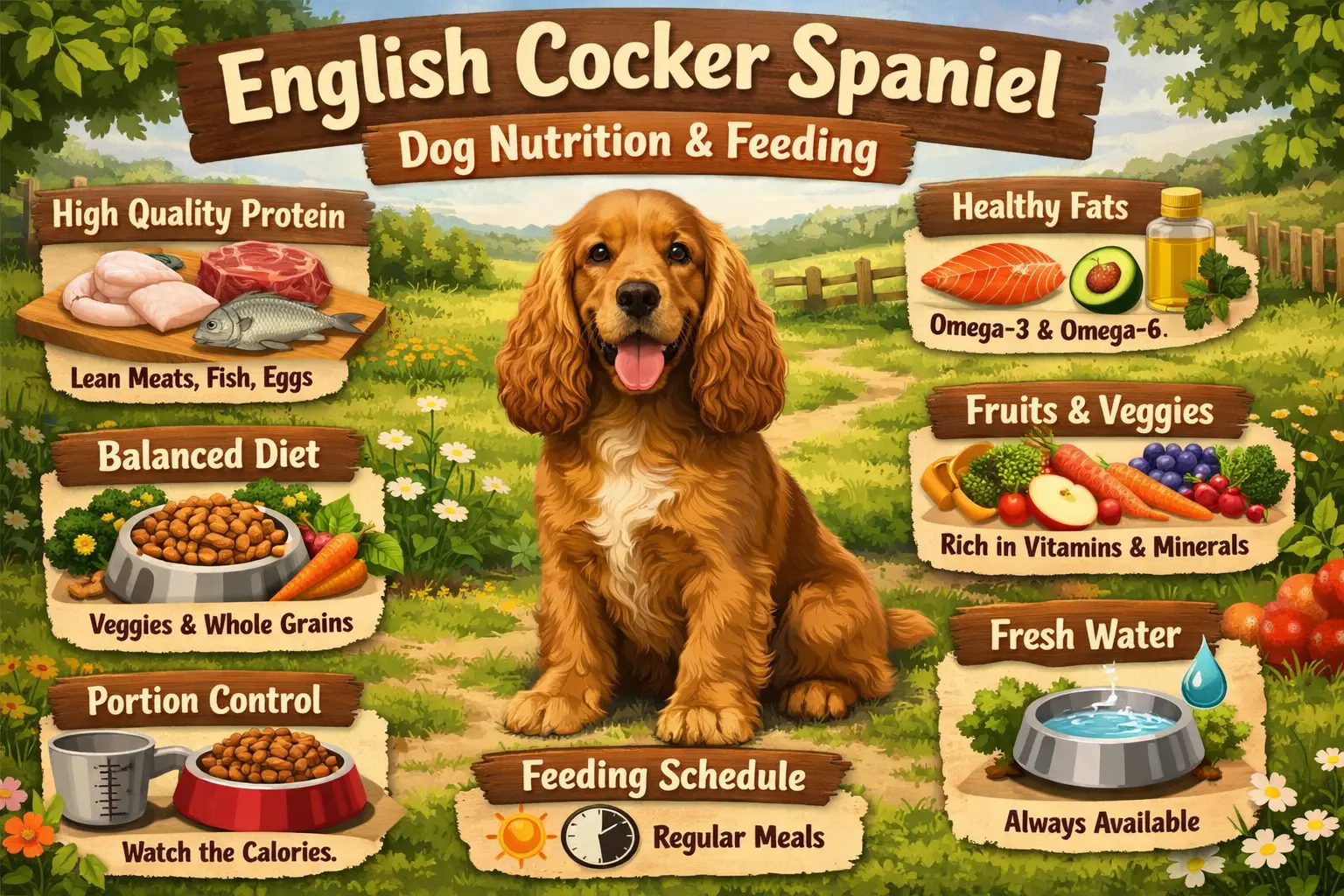
A healthy English Cocker Spaniel diet should include quality protein, moderate fat, digestible carbohydrates, essential vitamins, minerals, and enough moisture. Puppies, adults, and seniors have different needs, so the diet should change as your dog ages.
- Protein: Supports muscle growth, repair, and healthy body condition.
- Fat: Provides energy and supports skin and coat health.
- Carbohydrates and fiber: Help provide energy and support digestion.
- Vitamins and minerals: Support bones, joints, immunity, and overall health.
- Omega-3 fatty acids: May support coat, skin, and joint health.
| Life Stage | Protein Focus | Fat Focus | Special Feeding Notes |
|---|---|---|---|
| Puppy | Higher protein for growth | Moderate fat for energy | Use puppy food and feed smaller meals |
| Adult | Maintain lean muscle | Control calories to avoid weight gain | Measure meals and limit treats |
| Senior | Support muscle maintenance | Often needs lower calories | Consider joint and digestive support if needed |
Dry Food, Wet Food, Raw, Fresh, and Homemade Diets
Best Food for a Cocker Spaniel: What to Look For
The best food for a Cocker Spaniel is not always the most expensive food. It should match your dog’s age, weight, activity level, digestion, and body condition. For English Cocker Spaniels, the main goal is to choose food that supports steady energy, healthy weight, lean muscle, skin, coat, and digestion.
When choosing food, look for a complete and balanced formula made for your dog’s life stage. Puppies need puppy food for growth, adults need maintenance food, and seniors may need easier-to-digest food with controlled calories.
| Food Need | What to Look For | Why It Matters |
|---|---|---|
| Best food for Cocker Spaniel puppy | Puppy formula with quality protein and controlled calories | Supports growth, muscle development, and healthy energy |
| Best dry food for Cocker Spaniel | Measurable kibble with clear calorie information | Makes portion control easier and helps prevent overfeeding |
| Best wet food for Cocker Spaniel | Complete wet food with moderate calories | Adds moisture and may help picky eaters |
| Food for overweight Cocker Spaniel | Lower-calorie food with measured portions | Helps reduce weight gain and joint stress |
| Food for sensitive stomach | Simple ingredients and gradual food transitions | May reduce digestive upset from sudden diet changes |
Avoid choosing food only by flavor, packaging, or trend. The right food should be easy to measure, suitable for your Cocker Spaniel’s life stage, and consistent with the feeding chart above. If your dog gains weight, loses weight, has ongoing loose stool, or refuses food for more than a short period, adjust carefully and speak with your vet.
English Cocker Spaniels can do well on different diet types as long as the food is complete, balanced, and suitable for their life stage. The best choice depends on your dog’s age, health, appetite, activity level, and your ability to feed consistently.
| Food Type | Pros | Cons | Best For |
|---|---|---|---|
| Dry food | Convenient, easy to measure, stores well | Lower moisture than wet food | Most adult dogs and busy owners |
| Wet food | Higher moisture, often more appealing | Can be more expensive and higher in calories | Picky eaters, seniors, dogs needing more moisture |
| Fresh food | Often highly palatable | Needs refrigeration and careful portion control | Owners who want a fresh-style diet |
| Raw diet | High interest for some owners | Requires careful handling and balance | Only with proper knowledge and vet guidance |
| Homemade diet | Ingredient control | Easy to create nutrient gaps | Only when properly formulated |
For most owners, a complete dry or wet dog food is the easiest option to measure accurately. Homemade or raw diets should not be guessed, because missing nutrients can affect long-term health.
Male vs Female Cocker Spaniel Feeding Amounts
Male and female Cocker Spaniels do not need completely separate feeding rules. Food amount should be based more on weight, age, activity level, metabolism, and body condition than sex alone. A larger active female may need more food than a smaller inactive male.
Use the feeding chart by weight first, then adjust portions every 1-2 weeks based on whether your dog is maintaining, gaining, or losing weight.
Safe and Unsafe Foods for Cocker Spaniels
Some human foods are safe in small amounts, while others should be avoided completely. Treats should stay below 10% of your dog’s daily calories to prevent weight gain.
| Safe Foods in Small Amounts | Unsafe Foods to Avoid |
|---|---|
| Plain cooked chicken or turkey | Chocolate |
| Carrots, green beans, pumpkin | Grapes and raisins |
| Apple slices without seeds | Onions and garlic |
| Blueberries and strawberries | Xylitol sweeteners |
| Plain cooked rice | Fatty scraps and heavily seasoned foods |
Activity Level Feeding Adjustments
Two English Cocker Spaniels of the same weight may need different food amounts if their activity levels are different. Use this table to adjust the feeding chart more accurately.
| Activity Level | Feeding Adjustment | Example |
|---|---|---|
| Low activity | Reduce slightly | Indoor dog, short walks, prone to weight gain |
| Moderate activity | Use standard chart | Daily walks, normal play, healthy weight |
| High activity | Increase gradually | Long walks, training, field activity, very active lifestyle |
| Overweight | Reduce treats and measure carefully | Use body condition score before increasing food |
Body Condition Score Guide
Body condition score helps you decide whether your Cocker Spaniel is eating the right amount. You should be able to feel the ribs with light pressure, and your dog should have a visible waist when viewed from above.
| BCS Score | Meaning | Feeding Action |
|---|---|---|
| 1-3 | Underweight | Increase calories gradually and monitor weight |
| 4-5 | Ideal | Keep current portions and routine |
| 6-7 | Slightly overweight | Reduce treats and slightly reduce meals |
| 8-9 | Overweight | Use a weight plan and consult your vet |
Common Feeding Problems
Some English Cocker Spaniels are picky eaters, while others gain weight easily. The goal is to keep feeding consistent and avoid frequent food changes unless there is a clear reason.
| Problem | Likely Cause | What to Do |
|---|---|---|
| Picky eating | Food changes, too many treats, low appetite | Keep meals consistent and avoid constant switching |
| Sudden weight gain | Overfeeding, treats, low activity | Measure food and reduce extras first |
| Loose stool | Fast diet change or food sensitivity | Transition food slowly over 7-10 days |
| Food guarding | Behavioral issue around meals | Feed separately and use positive training methods |
English Cocker Spaniel Feeding Checklist
- Measure every meal instead of guessing.
- Feed adult dogs twice daily when possible.
- Keep treats below 10% of daily calories.
- Check body condition weekly.
- Adjust food slowly if weight changes.
- Introduce new food gradually over 7-10 days.
- Keep fresh water available at all times.
Frequently Asked Questions
How much should a Cocker Spaniel eat per day?
Most adult Cocker Spaniels eat about 1.5 to 2.5 cups of food per day, split into two meals. The exact amount depends on weight, activity level, age, body condition, and the calories in the food.
How much should a Cocker Spaniel puppy eat?
A Cocker Spaniel puppy should usually eat 3-4 small meals per day in early puppyhood, then move toward 2-3 meals as they grow. Follow the puppy food label by expected adult weight and adjust based on growth and body condition.
How often should I feed an English Cocker Spaniel?
Puppies usually need 3-4 meals per day. Adult English Cocker Spaniels usually do well with 2 meals per day. Seniors may eat 1-2 meals per day depending on appetite, digestion, and routine.
What foods can Cocker Spaniels not eat?
Cocker Spaniels should not eat chocolate, grapes, raisins, onions, garlic, xylitol, fatty scraps, heavily seasoned foods, or anything known to be toxic to dogs. Unsafe foods should be avoided completely.
Is wet food or dry food better for a Cocker Spaniel?
Both wet and dry food can work if the diet is complete and balanced. Dry food is easier to measure and store, while wet food adds moisture and may help picky eaters. Portion control matters more than the format.
When should I change my Cocker Spaniel’s food amount?
Adjust food when your dog gains weight, loses weight, becomes more or less active, moves into a new life stage, or changes food type. Make small changes and monitor body condition over the next 1-2 weeks.
More English Cocker Spaniel Resources
Use these related English Cocker Spaniel resources for topics that are covered in more detail on their dedicated pages:
- English Cocker Spaniel Dog Age Calculator
- English Cocker Spaniel Dog Breed Guide
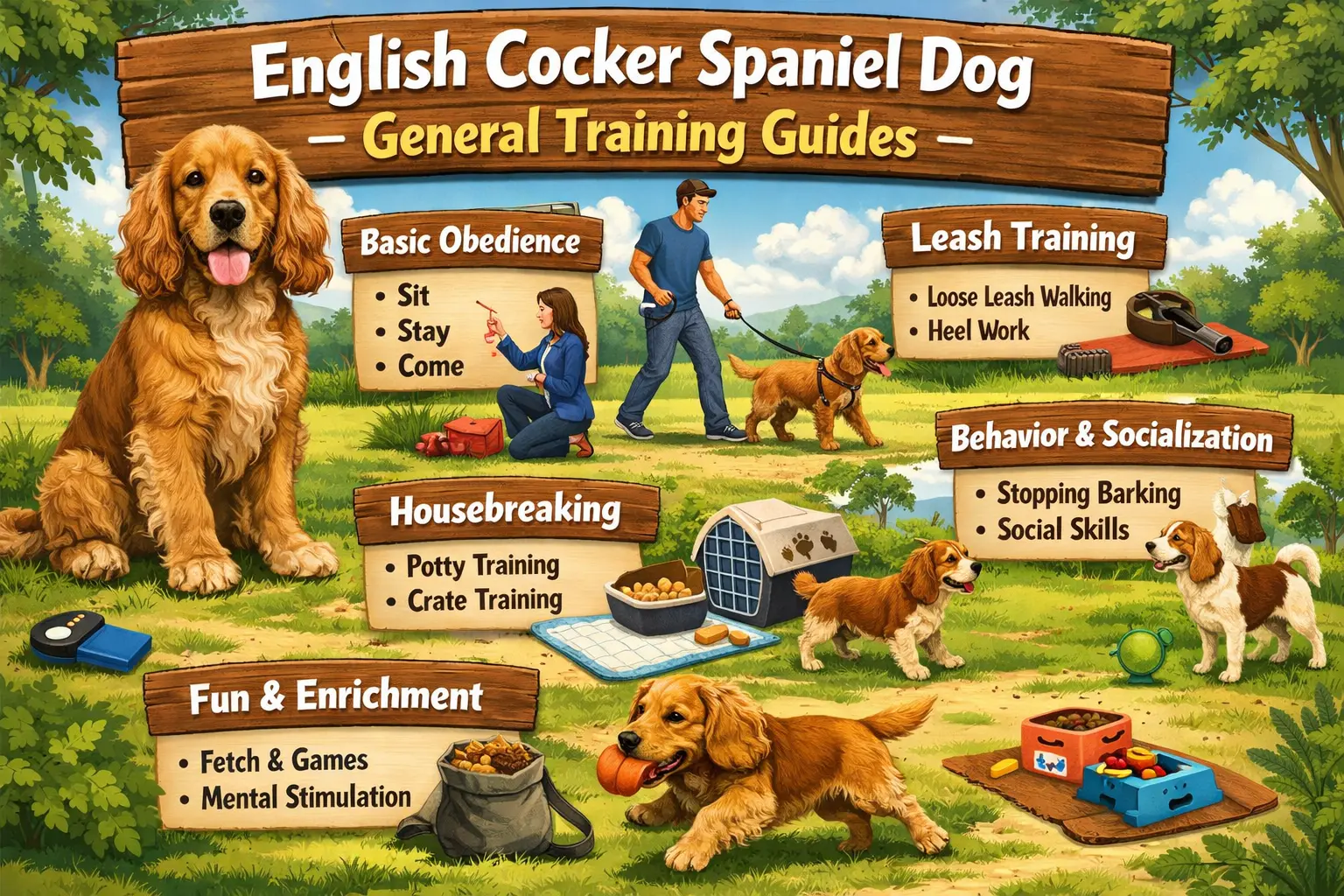
- English Cocker Spaniel Training Guide
- English Cocker Spaniel Age Chart
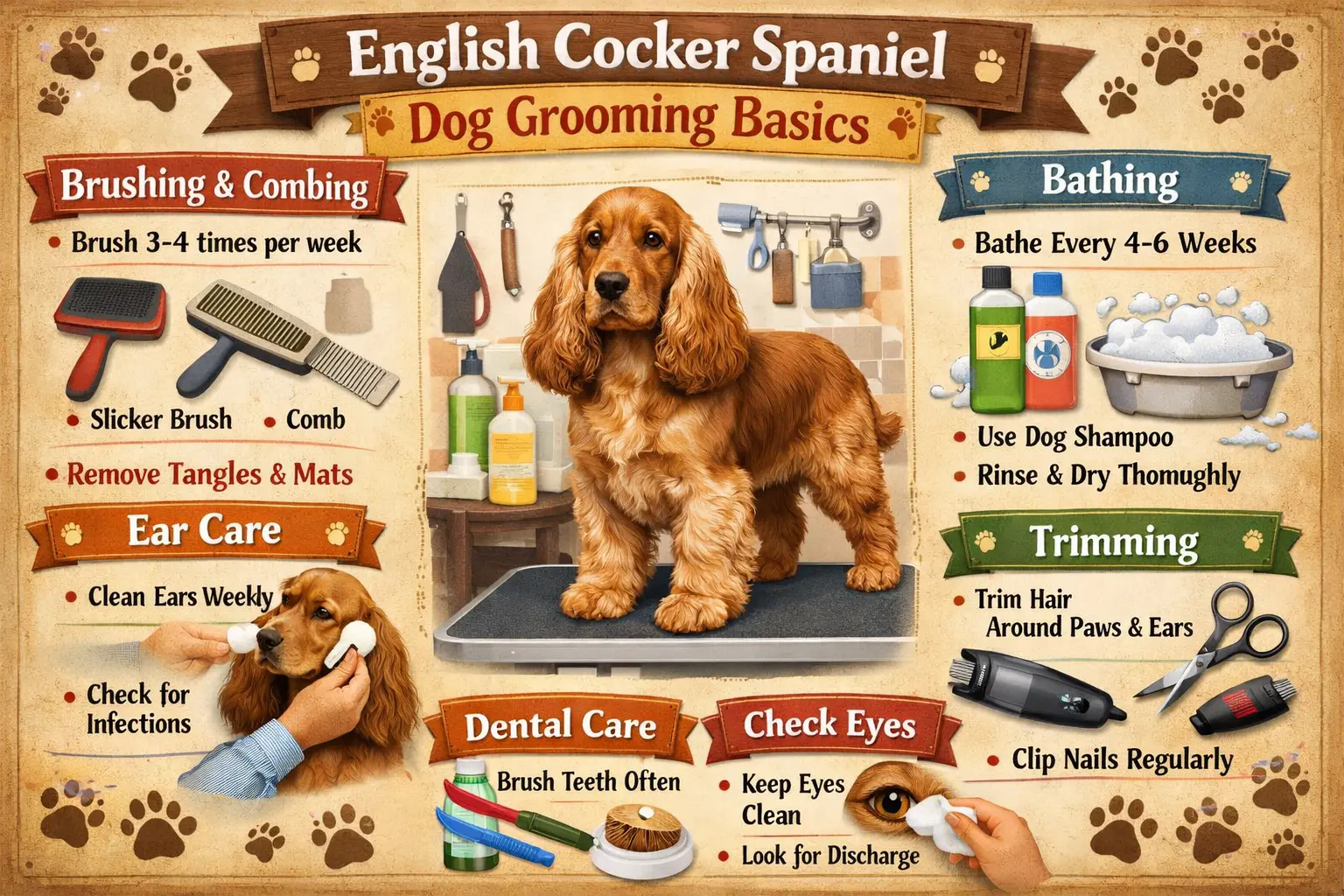
- English Cocker Spaniel Grooming Guide
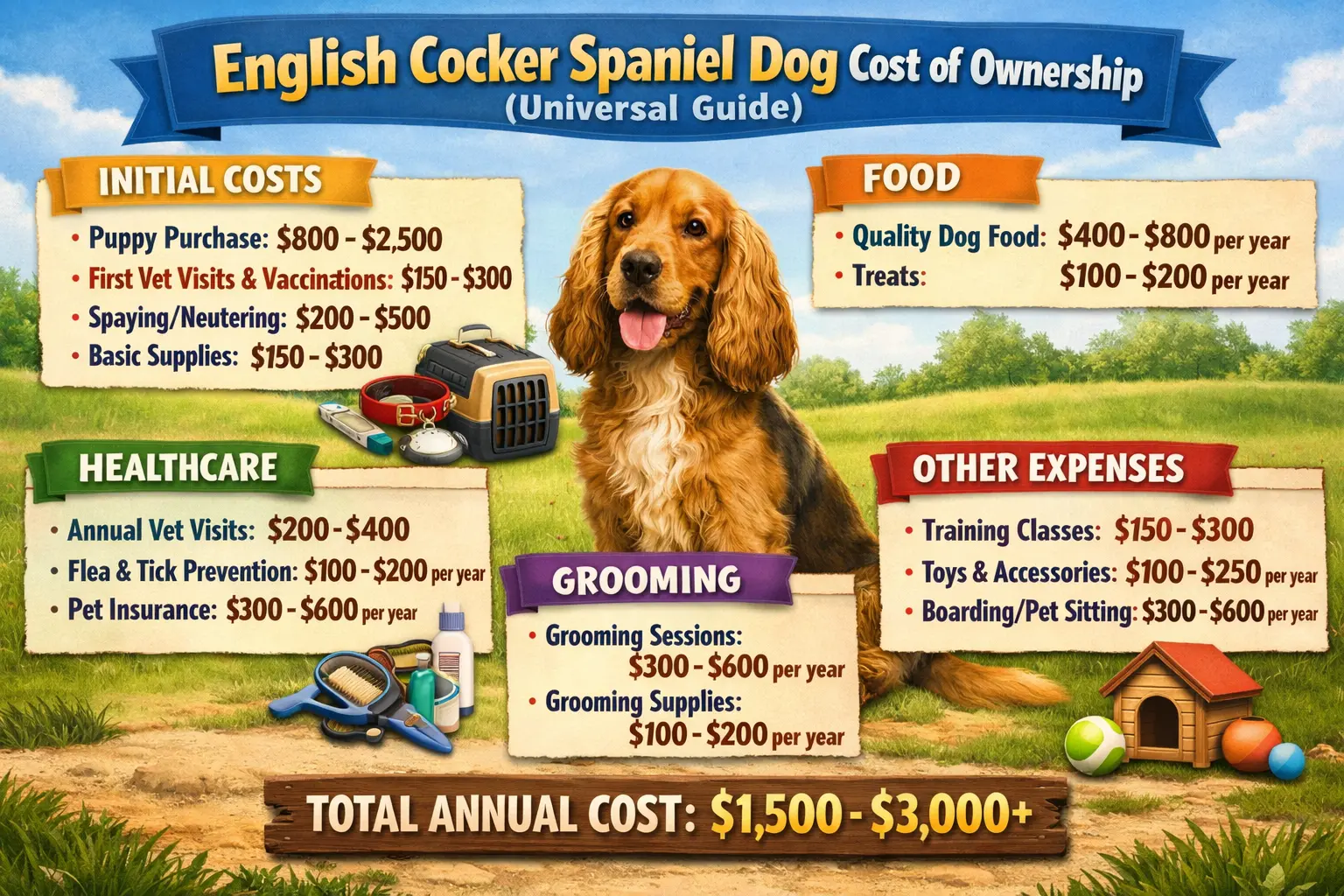
- English Cocker Spaniel Cost of Ownership Guide

Ata Ur Rehman is the founder of Pet Age in Human Years Calculator, an educational platform that provides age conversion charts and lifespan guides for dogs, cats, birds, and other companion animals. His work focuses on helping pet owners understand how animal ages translate into human years using commonly accepted age conversion formulas and published lifespan averages.
The website compiles breed and species lifespan data from kennel clubs, breed organizations, and general animal lifespan studies to present simple and easy-to-understand guides for pet owners worldwide.
This website was created to centralize animal age conversion charts into one easy reference platform for pet owners.
This article is for general education. For symptoms, medication, diet changes, or health concerns, use a qualified veterinarian who can assess your individual pet.