On this page
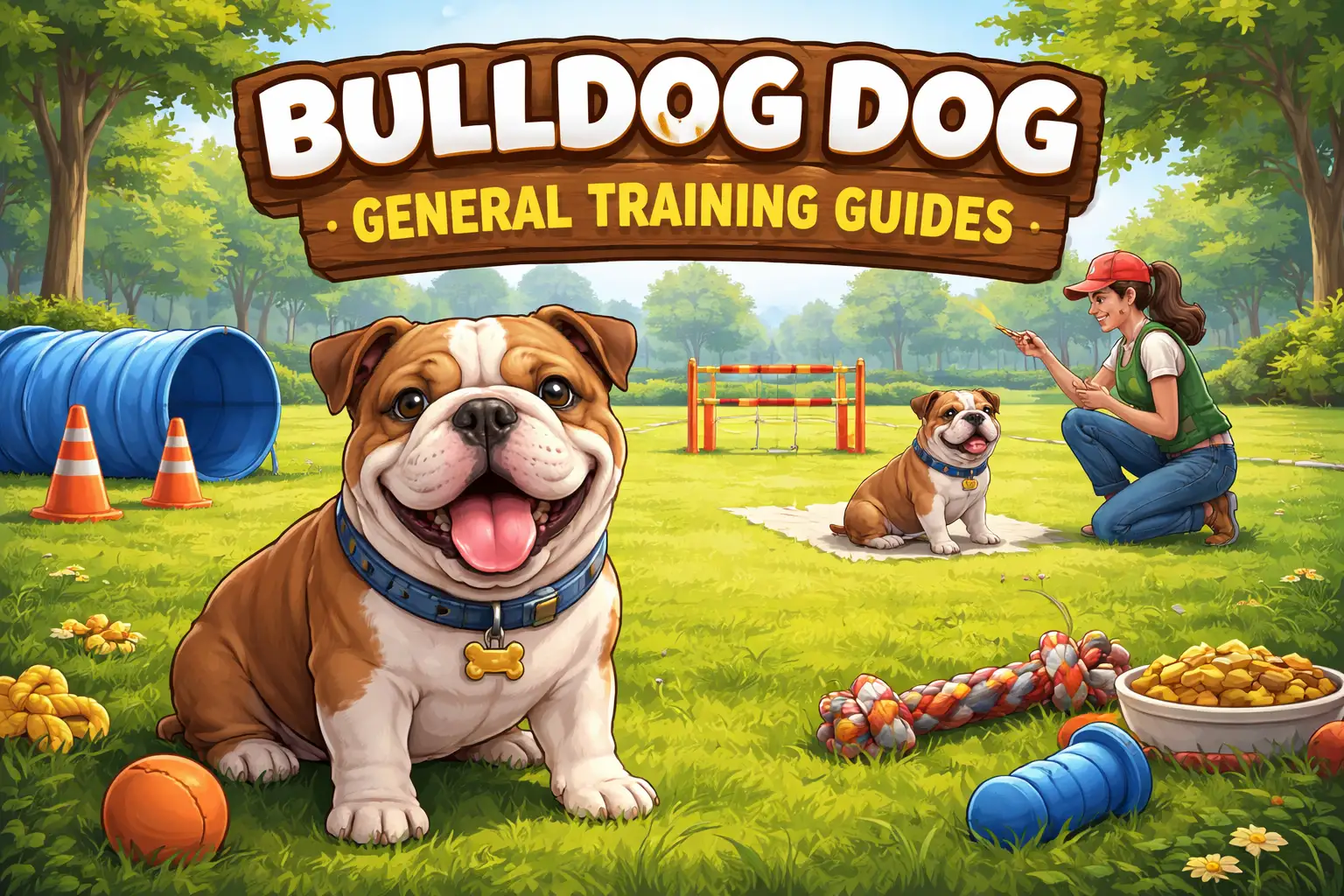
Bulldog training tips work best when they match the breed’s personality, body type, and motivation style. Bulldogs are loyal, calm, people-focused dogs, but they can also be stubborn when training feels boring, uncomfortable, or too repetitive.
Training a Bulldog is not about strict control or long drills. It is about using short, clear, reward-based lessons that help your Bulldog understand what you want without pushing their breathing, joints, or energy limits.
Many owners think Bulldogs are hard to train because their dog ignores commands, pulls on the leash, refuses to move, or only listens when treats are involved. In most cases, the problem is not intelligence. Bulldogs are smart, but they need training that feels worthwhile and manageable.
In this Bulldog training guide, you will learn how to train a Bulldog the right way, including obedience basics, puppy training, leash manners, stubborn behavior, crate training, potty training, and daily habits that make your Bulldog easier to live with.
The goal is simple: help you raise a Bulldog that listens, behaves calmly at home and on walks, and enjoys training instead of resisting it.
Why Bulldog Training Matters
Proper Bulldog training is not just about teaching commands. It helps your dog stay safe, calm, confident, and easier to manage in everyday life.
Bulldogs are strong, heavy dogs with short noses and limited stamina. Without training, small behavior problems can become harder to control as they grow older. A Bulldog that jumps, pulls, refuses to listen, or ignores recall can become difficult for first-time owners to handle.
Training matters for Bulldogs because it supports:
- Safety: A trained Bulldog is less likely to pull toward people, ignore you near roads, or jump on visitors.
- Better obedience: Clear training reduces stubborn habits and helps your Bulldog understand daily rules.
- Health protection: Short training sessions help avoid overexertion, overheating, and breathing stress.
- Calmer behavior: Structure helps reduce frustration, barking, and attention-seeking behavior.
- Stronger bonding: Reward-based training builds trust between you and your Bulldog.
Why Training Is Important for Bulldogs
| Training Area | Why It Matters for Bulldogs |
|---|---|
| Obedience | Helps prevent ignoring commands |
| Leash control | Manages pulling and strength on walks |
| Potty habits | Creates a predictable home routine |
| Crate comfort | Supports calm rest and safer alone time |
| Social manners | Helps Bulldogs stay calm around people and pets |
| Health awareness | Prevents long, tiring training sessions |
Many Bulldog behavior problems come from a lack of structure, not a bad attitude. When training is clear, short, and rewarding, Bulldogs usually respond much better than people expect.
Understanding Bulldog Behavior Before Training
To train a Bulldog well, you first need to understand how the breed thinks and learns.
Bulldogs are not lazy or unintelligent. They are independent, comfort-driven dogs that often decide whether a task is worth doing. If a lesson feels confusing, too long, too hot, or unrewarding, many Bulldogs simply stop cooperating.
This is why Bulldog training should focus on motivation, patience, and consistency instead of force.
Common Bulldog traits that affect training include:
- Stubborn nature: Bulldogs may ignore commands when they do not understand the reward or purpose.
- Food motivation: Most Bulldogs respond well to small, tasty treats.
- Low stamina: Long sessions can make them tired, distracted, or resistant.
- People-focused behavior: Praise, attention, and calm encouragement often work well.
- Strong habits: Bulldogs repeat behaviors quickly, so consistency matters from the start.
- Sensitivity to pressure: Yelling, pulling, or punishment can make training worse.
Bulldog Traits and Training Adjustments
| Bulldog Trait | What Owners Often See | Best Training Adjustment |
|---|---|---|
| Stubborn behavior | Ignores commands | Use better rewards and clearer steps |
| Food motivation | Works well for treats | Use small, low-calorie rewards |
| Low stamina | Gets tired quickly | Train for 5–10 minutes |
| Strong body | Pulls on leash | Start loose-leash training early |
| People-focused nature | Seeks attention | Use praise and calm interaction |
| Dislikes pressure | Shuts down or refuses | Keep training positive and patient |
When you train in a way that matches your Bulldog’s natural behavior, progress becomes easier. Fighting the breed’s personality usually creates frustration for both the dog and owner.
How to Train a Bulldog Step by Step
The best way to train a Bulldog is to keep each lesson short, simple, and rewarding. Bulldogs do not need long drills. They need clear guidance, quick rewards, and the same rules every day.
Before you begin, remember this rule: train smart, not long.
1. Start With the Right Training Setup
Train your Bulldog when they are calm, cool, and not overly tired. Choose a quiet space with few distractions. Avoid training right after heavy play, during hot weather, or when your Bulldog is breathing heavily.
Bulldog Training Session Setup
| Training Part | Best Choice for Bulldogs |
|---|---|
| Session length | 5–10 minutes |
| Sessions per day | 2–3 short sessions |
| Training place | Quiet, cool area |
| Rewards | Small, soft treats |
| Voice | Calm and encouraging |
| Best time | When your Bulldog is alert but relaxed |
| When to stop | Before your Bulldog gets tired |
Short sessions help Bulldogs stay interested and reduce the risk of breathing stress or frustration.
2. Teach One Skill at a Time
Do not teach too many commands at once. Focus on one simple behavior until your Bulldog understands it, then move to the next skill.
Start with basic Bulldog obedience training skills such as:
- Name response
- Sit
- Come indoors
- Stay for short moments
- Leave it
- Walking calmly on a leash
Reward your Bulldog immediately after the correct action. Timing matters because Bulldogs learn faster when the reward clearly connects to the behavior.
3. Use Rewards Without Overfeeding
Most Bulldogs are food-motivated, but treats should be small. Use tiny soft treats, pieces of regular kibble, or praise when your Bulldog responds correctly.
Do not rely only on food forever. Once your Bulldog understands a command, start mixing treats with praise, gentle petting, or a short play break. This helps your Bulldog listen even when food is not visible.
4. Practice in Easy Places First
Begin training indoors or in a quiet yard before expecting your Bulldog to listen outside. Busy streets, other dogs, visitors, and new smells can make commands harder.
Once your Bulldog listens in a quiet place, slowly add distractions. This helps your dog understand that commands apply everywhere, not only at home.
Bulldog Puppy Training Tips
Bulldog puppy training should begin as soon as your puppy comes home. Puppies learn quickly, but they also get tired fast, so keep lessons short and positive.
Focus first on simple habits that shape daily life:
- Name recognition
- Potty routine
- Crate comfort
- Gentle handling
- Short leash practice
- Calm greetings
- Basic commands like sit and come
Bulldog Training Focus by Age
| Age Group | Training Focus | Best Approach |
|---|---|---|
| Puppy | Name, potty routine, crate, sit, leash basics | Very short sessions with frequent rewards |
| Adult Bulldog | Manners, leash control, consistency, problem behaviors | Patient repetition and clear rules |
| Senior Bulldog | Gentle practice, comfort, routine, mental stimulation | Low-pressure training with breaks |
Bulldog puppies need structure early because habits form quickly. Reward calm behavior, prevent jumping, and keep rules consistent from the beginning.
How to Train a Stubborn Bulldog
If your Bulldog seems stubborn, do not turn training into a battle. Stubborn behavior usually means the task is unclear, the reward is not strong enough, the session is too long, or the dog is uncomfortable.
To train a stubborn Bulldog, make the lesson easier and more rewarding:
- Use one clear command instead of repeating it many times.
- Reward quickly when your Bulldog responds.
- Break the task into smaller steps.
- Train before meals when food motivation is stronger.
- Stop before your Bulldog becomes tired or frustrated.
- Keep your tone calm instead of angry or loud.
For example, if your Bulldog will not come when called outside, practice indoors first. Reward every successful response, then slowly move to harder spaces. Bulldogs learn better through small wins than pressure.
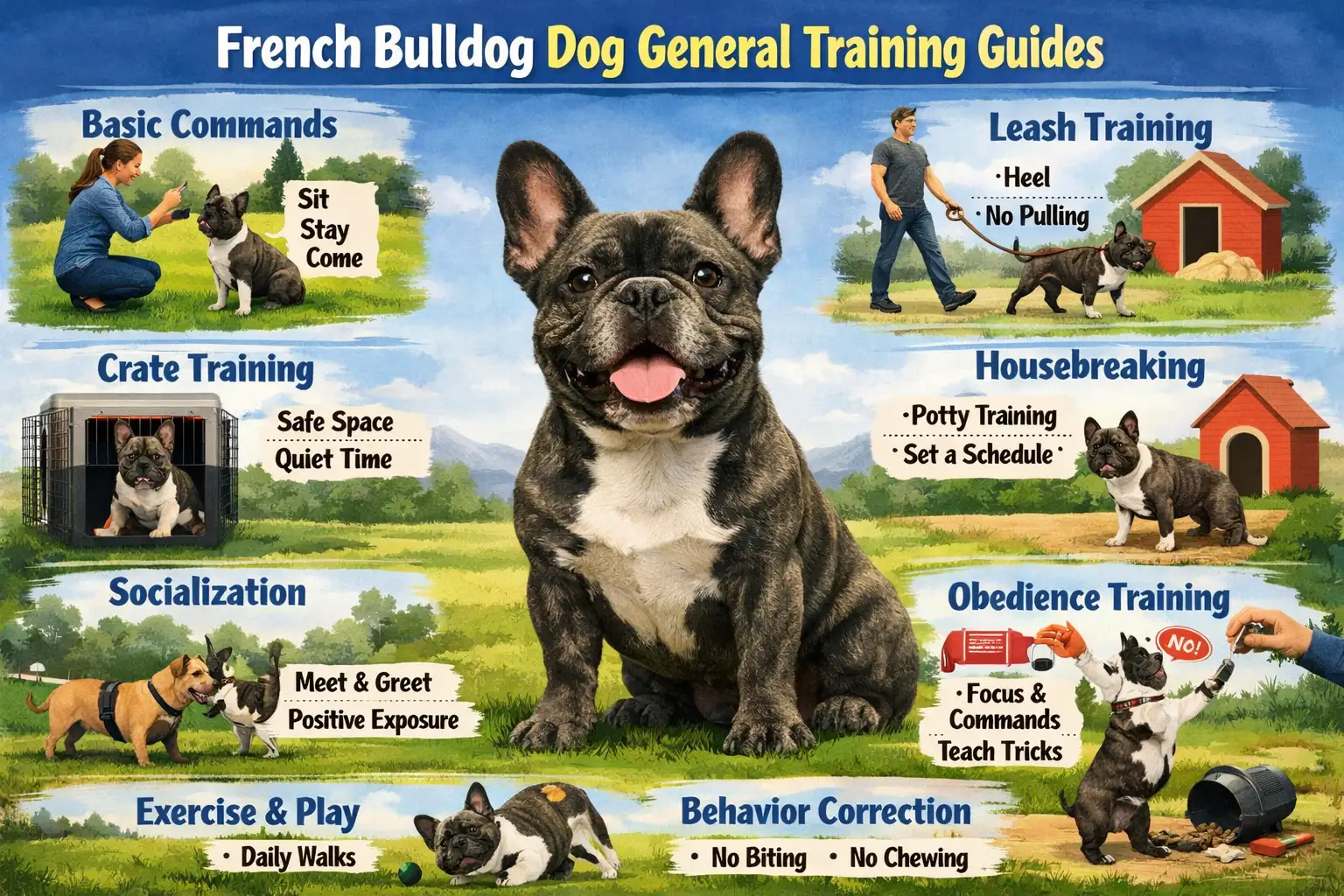
Bulldog Leash Training
Bulldog leash training is important because Bulldogs are strong and can pull hard even if they are not very tall. Start leash manners early so walks stay safe and controlled.
Use short walks and reward your Bulldog for staying near you. If your Bulldog pulls, stop walking. Wait until the leash relaxes, then continue. This teaches your Bulldog that pulling does not move the walk forward.
Helpful leash training habits include:
- Start in a quiet area before walking in busy places.
- Reward your Bulldog when they walk beside you.
- Stop moving when pulling begins.
- Use calm direction changes instead of dragging the leash.
- Keep walks short in warm weather.
Because Bulldogs can overheat, leash training should never turn into long, exhausting walks. Keep practice controlled and comfortable.
Bulldog Potty Training
Bulldog potty training works best with a predictable routine. Take your Bulldog outside at regular times, especially after sleeping, eating, drinking, playing, and waking up in the morning.
Use the same potty area when possible. Praise and reward your Bulldog immediately after they finish outside. Do not punish accidents after they happen, because your Bulldog may not understand what they did wrong.
Basic Bulldog potty training routine:
- Take your Bulldog out first thing in the morning.
- Go outside after meals and naps.
- Use the same cue, such as “go potty.”
- Reward immediately after success.
- Clean indoor accidents fully to remove odor.
- Keep the schedule consistent every day.
Consistency matters more than correction. Bulldogs learn potty habits faster when the routine is clear and repeated daily.
Bulldog Crate Training
Bulldog crate training can help with rest, potty training, travel, and safe alone time. The crate should feel like a calm place, not a punishment.
Start by letting your Bulldog explore the crate with the door open. Add soft bedding if your dog does not chew it, and place treats or toys inside. Keep early crate sessions short and positive.
Good crate training steps include:
- Let your Bulldog enter the crate on their own.
- Reward calm behavior inside the crate.
- Close the door for short periods at first.
- Stay nearby during early practice.
- Slowly increase crate time.
- Never use the crate as punishment.
A crate should help your Bulldog relax. If your dog panics, barks heavily, or breathes hard, reduce the time and rebuild comfort slowly.
Common Bulldog Training Problems and Solutions
Many Bulldog training problems happen because the training style does not match the breed. Most issues improve when lessons become shorter, clearer, and more rewarding.
Common Bulldog Training Problems and Fixes
| Problem | Why It Happens | What Helps |
|---|---|---|
| Won’t listen | Training feels boring or unclear | Use better rewards and shorter sessions |
| Ignores commands | Too many repeated commands | Say the command once, then guide the behavior |
| Pulls on leash | Strong body and no leash structure | Stop walking when pulling starts |
| Gets tired fast | Low stamina or warm conditions | Train for fewer minutes, more often |
| Jumps on people | Excitement or attention-seeking | Reward sitting and calm greetings |
| Refuses to move | Discomfort, heat, fear, or stubbornness | Check comfort, reduce pressure, and use rewards |
| Training stops working | Inconsistent rules | Use the same rules every day |
If your Bulldog shows fear, aggression, heavy breathing, limping, or pain during training, stop the session. Some behavior problems are linked to discomfort or health issues, not training mistakes.
Simple Bulldog Training Tips That Make a Big Difference
Small changes can make Bulldog training much easier. The most effective approach is calm, consistent, and reward-based.
- Keep training sessions short.
- Use one command at a time.
- Do not repeat commands over and over.
- Reward good behavior immediately.
- Train in a cool, quiet place.
- End the session before your Bulldog gets tired.
- Use the same rules every day.
- Practice daily, even for a few minutes.
- Stay patient when progress is slow.
- Avoid yelling, pulling, or punishment-based training.
Bulldogs respond best when training feels predictable and rewarding. A few short sessions every day are more effective than one long session that causes frustration.
How Long Does It Take to Train a Bulldog?
Most Bulldogs can learn simple commands within a few weeks when training is consistent. More difficult habits, such as leash pulling, potty accidents, jumping, or ignoring commands, may take longer.
Typical Bulldog training progress:
- Simple commands: 1–2 weeks
- Leash manners: 2–4 weeks
- Potty training: several weeks or longer, depending on age and routine
- Crate comfort: a few days to several weeks
- Reliable obedience around distractions: ongoing daily practice
Progress depends on your Bulldog’s age, personality, consistency, health, and previous habits. The key is not speed. The goal is steady improvement without stress.
To understand your dog’s current life stage, use the Bulldog Age Calculator.
Bulldog Training FAQs
Are Bulldogs hard to train?
Bulldogs can be hard to train if sessions are too long, unclear, or boring. They are not unintelligent, but they are independent and may ignore commands when they do not see a reason to cooperate. Short, reward-based training works best.
What is the best way to train a Bulldog?
The best way to train a Bulldog is to use short sessions, clear commands, quick rewards, and consistent rules. Bulldogs respond better to positive reinforcement than pressure or punishment.
How do you train a stubborn Bulldog?
To train a stubborn Bulldog, make the task easier, use a stronger reward, and stop repeating commands. Break the behavior into smaller steps and reward each small success.
When should Bulldog puppy training start?
Bulldog puppy training should start as soon as your puppy comes home. Begin with name response, potty routine, crate comfort, gentle handling, and short basic commands.
How long should Bulldog training sessions be?
Bulldog training sessions should usually last 5–10 minutes. Short sessions help prevent boredom, frustration, overheating, and breathing stress.
Can adult Bulldogs still be trained?
Yes, adult Bulldogs can still be trained. They may need more patience if they already have strong habits, but consistent rewards and clear rules can improve obedience and manners.
Why does my Bulldog ignore commands?
A Bulldog may ignore commands because the cue is unclear, the reward is not motivating, the environment is distracting, or the dog is tired or uncomfortable. Make the lesson easier and reward faster.
Final Thoughts on Bulldog Training
Bulldog training works best when it respects the breed’s personality and physical limits. Bulldogs need short lessons, clear expectations, strong rewards, and calm consistency.
If you want your Bulldog to listen better, start with simple obedience, build daily routines, and avoid turning training into a struggle. With patience and the right method, Bulldogs can become calm, cooperative, and well-mannered companions.
If your Bulldog shows fear, aggression, heavy breathing, pain, or sudden behavior changes during training, pause training and speak with a qualified professional. Training should always support your Bulldog’s comfort, safety, and well-being.

Ata Ur Rehman is the founder of Pet Age in Human Years Calculator, an educational platform that provides age conversion charts and lifespan guides for dogs, cats, birds, and other companion animals. His work focuses on helping pet owners understand how animal ages translate into human years using commonly accepted age conversion formulas and published lifespan averages.
The website compiles breed and species lifespan data from kennel clubs, breed organizations, and general animal lifespan studies to present simple and easy-to-understand guides for pet owners worldwide.
This website was created to centralize animal age conversion charts into one easy reference platform for pet owners.
This article is for general education. For symptoms, medication, diet changes, or health concerns, use a qualified veterinarian who can assess your individual pet.