On this page
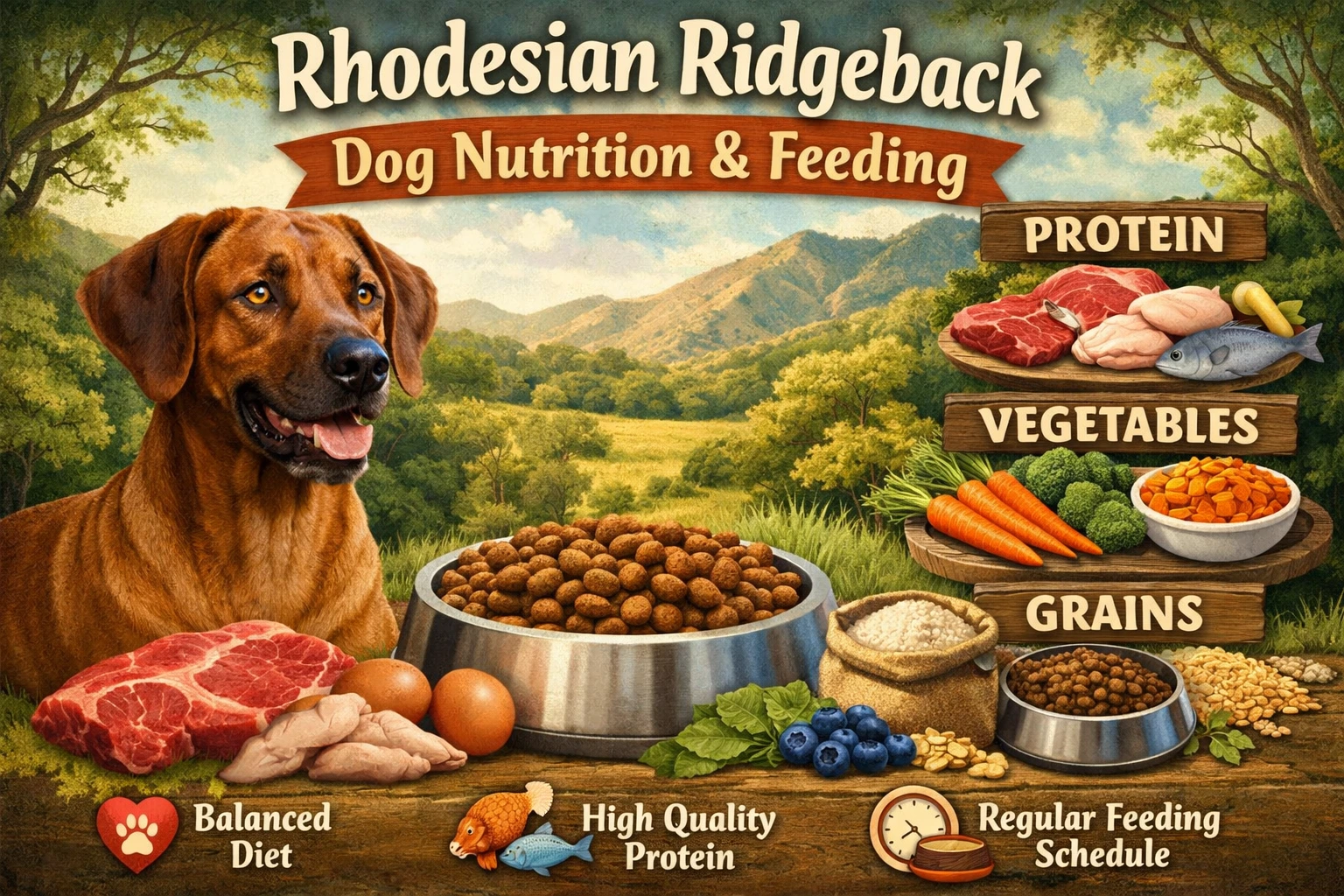
Rhodesian Ridgebacks are powerful, athletic dogs originally bred for endurance, hunting, and guarding. Their muscular build, high activity levels, and large size make proper nutrition one of the most important factors in maintaining long-term health. A well-balanced diet supports muscle development, joint health, immune function, digestive wellness, healthy skin, and a glossy coat. Whether you own a growing puppy, an active adult, or a senior Ridgeback, understanding their unique nutritional requirements can help prevent obesity, orthopedic issues, and other common health concerns.
Proper feeding is not just about choosing dog food. It involves selecting the right nutrients, feeding the correct portions, maintaining a healthy weight, and adjusting the diet based on age, activity level, and health status. This guide covers everything Rhodesian Ridgeback owners need to know about feeding and nutrition.
Why Nutrition Matters for Rhodesian Ridgebacks
Rhodesian Ridgebacks are large dogs with strong muscles and high energy requirements. Poor nutrition can contribute to obesity, joint strain, digestive issues, poor coat quality, and reduced energy levels. Feeding a nutritionally complete and balanced diet helps support healthy growth, mobility, and overall well-being.
| Health Area | Nutritional Focus | Benefits |
|---|---|---|
| Joint Health | Omega-3 fatty acids, glucosamine, chondroitin | Supports hips, elbows, and mobility |
| Muscle Development | High-quality protein | Maintains lean muscle mass |
| Skin & Coat | Omega-3 and Omega-6 fatty acids | Promotes healthy skin and shiny coat |
| Bone Strength | Calcium and phosphorus | Supports skeletal health |
| Immune Function | Vitamins A, C, E, and zinc | Supports disease resistance |
| Energy Levels | Balanced protein, fat, and carbohydrates | Sustains daily activity |
Core Nutritional Requirements
Rhodesian Ridgebacks require a balanced combination of protein, fat, carbohydrates, vitamins, minerals, and water.
Protein Requirements
Protein is essential for muscle growth, tissue repair, immune function, and coat quality. Animal-based proteins such as chicken, turkey, beef, lamb, fish, and eggs are highly digestible and beneficial.
| Life Stage | Recommended Protein |
|---|---|
| Puppy | 25–30% |
| Adult | 22–28% |
| Senior | 20–25% |
Fat Requirements
Healthy fats provide concentrated energy and support skin, coat, brain function, and joint health.
| Life Stage | Recommended Fat |
|---|---|
| Puppy | 12–18% |
| Adult | 10–15% |
| Senior | 8–12% |
Carbohydrates
While dogs do not require large amounts of carbohydrates, they provide energy and dietary fiber. Good carbohydrate sources include sweet potatoes, brown rice, oats, pumpkin, and peas.
Essential Vitamins and Minerals
| Nutrient | Function | Sources |
|---|---|---|
| Calcium | Bone development | Dairy, balanced dog foods |
| Phosphorus | Bone strength | Meat, fish |
| Vitamin A | Vision and immunity | Liver, eggs |
| Vitamin E | Antioxidant protection | Vegetable oils |
| Zinc | Skin and coat health | Meat and seafood |
| Omega-3 Fatty Acids | Joint and skin support | Fish oil, salmon |
| Omega-6 Fatty Acids | Coat quality | Poultry fat, flaxseed |
Daily Calorie Requirements
Calorie needs vary based on age, metabolism, exercise level, and body condition.
| Weight | Low Activity | Moderate Activity | High Activity |
|---|---|---|---|
| 25 kg | 1,000 kcal | 1,200 kcal | 1,400 kcal |
| 30 kg | 1,150 kcal | 1,350 kcal | 1,600 kcal |
| 35 kg | 1,300 kcal | 1,550 kcal | 1,850 kcal |
| 40 kg | 1,450 kcal | 1,750 kcal | 2,000 kcal |
Feeding Guidelines by Life Stage
Rhodesian Ridgeback Puppies
Puppies grow rapidly and require nutrient-dense food formulated for large-breed puppies. Controlled growth is important because excessive weight gain can increase the risk of orthopedic problems.
| Age | Meals Per Day |
|---|---|
| 8–12 Weeks | 4 |
| 3–6 Months | 3 |
| 6–12 Months | 2–3 |
| 12+ Months | 2 |
Adult Rhodesian Ridgebacks
Healthy adults generally thrive on two meals per day. Splitting food into multiple meals may help reduce the risk of bloat and improve digestion.
Senior Rhodesian Ridgebacks
Senior dogs often require fewer calories but benefit from highly digestible proteins and joint-supporting nutrients.
| Senior Nutrition Focus | Benefit |
|---|---|
| Lower Calories | Weight management |
| Higher Quality Protein | Muscle maintenance |
| Omega-3 Fatty Acids | Joint support |
| Added Fiber | Digestive health |
| Glucosamine & Chondroitin | Mobility support |
How Much Should a Rhodesian Ridgeback Eat?
Daily food amounts vary depending on calorie density and activity level.
| Weight | Daily Food Amount |
|---|---|
| 25 kg | 300–400 g |
| 30 kg | 350–450 g |
| 35 kg | 400–500 g |
| 40 kg | 450–600 g |
Always follow feeding recommendations provided by the food manufacturer and adjust based on body condition.
Best Types of Food for Rhodesian Ridgebacks
Dry Kibble
Pros:
- Convenient
- Cost-effective
- Long shelf life
- Complete nutrition
Cons:
- Lower moisture content
- Quality varies significantly
Wet Food
Pros:
- Highly palatable
- Increased hydration
- Easier to chew
Cons:
- More expensive
- Shorter shelf life after opening
Fresh Food
Pros:
- Highly digestible
- Excellent ingredient quality
- Suitable for sensitive dogs
Cons:
- Expensive
- Requires refrigeration
Raw Diet
Pros:
- High protein content
- Minimal processing
Cons:
- Risk of bacterial contamination
- Difficult to balance properly
Homemade Diets
Pros:
- Full ingredient control
Cons:
- Nutritional deficiencies can occur without professional guidance
Foods Rhodesian Ridgebacks Can Safely Eat
| Safe Foods |
|---|
| Cooked chicken |
| Turkey |
| Lean beef |
| Salmon |
| Pumpkin |
| Carrots |
| Green beans |
| Sweet potatoes |
| Rice |
| Oatmeal |
| Eggs |
| Blueberries |
Foods to Avoid
| Toxic Foods |
|---|
| Chocolate |
| Grapes |
| Raisins |
| Onions |
| Garlic |
| Xylitol |
| Macadamia nuts |
| Alcohol |
| Raw yeast dough |
| Excessive caffeine |
Weight Management Tips
Rhodesian Ridgebacks can gain weight if overfed or under-exercised.
Signs of a healthy weight:
- Visible waist when viewed from above
- Tucked abdomen when viewed from the side
- Ribs easily felt without excess fat covering
Signs of excess weight:
- No visible waist
- Difficulty feeling ribs
- Reduced stamina
- Increased panting
Common Feeding Problems and Solutions
| Problem | Possible Cause | Solution |
|---|---|---|
| Overweight | Excess calories | Reduce portions and increase activity |
| Loose Stool | Sudden food change | Transition gradually over 7–10 days |
| Food Allergies | Ingredient sensitivity | Use limited-ingredient diets |
| Picky Eating | Flavor fatigue | Rotate protein sources |
| Low Energy | Inadequate nutrition | Review calorie and protein intake |
Feeding Tips for Sensitive Stomachs
Some Ridgebacks experience digestive sensitivity.
Recommended strategies:
- Feed smaller meals
- Avoid abrupt food changes
- Choose easily digestible proteins
- Limit table scraps
- Introduce probiotics if recommended by a veterinarian
Supplements for Rhodesian Ridgebacks
Most dogs eating a complete diet do not require supplements. However, some may benefit from:
| Supplement | Potential Benefit |
|---|---|
| Fish Oil | Joint and coat health |
| Glucosamine | Joint support |
| Chondroitin | Cartilage support |
| Probiotics | Digestive health |
| Multivitamins | Nutritional support when recommended |
Hydration Requirements
Fresh water should always be available. Active Rhodesian Ridgebacks can consume significantly more water than sedentary dogs, especially during hot weather or exercise.
Hydration tips:
- Refresh water daily
- Carry water during long walks
- Monitor intake during hot temperatures
- Consider adding moisture-rich foods if needed
Frequently Asked Questions
What is the best food for a Rhodesian Ridgeback?
The best food is a high-quality, complete diet with adequate protein, healthy fats, and nutrients appropriate for large active breeds.
How many times a day should a Rhodesian Ridgeback eat?
Most adults do best with two meals per day, while puppies require three to four meals daily.
Are Rhodesian Ridgebacks prone to obesity?
Yes. Overfeeding and insufficient exercise can lead to weight gain and increased joint stress.
Can Rhodesian Ridgebacks eat raw food?
They can, but raw diets must be nutritionally balanced and handled safely to reduce contamination risks.
What protein source is best?
Chicken, turkey, beef, lamb, fish, and eggs are excellent high-quality protein sources.
Do Rhodesian Ridgebacks need supplements?
Most healthy dogs do not need supplements if they eat a complete diet, though some may benefit from fish oil or joint-support supplements.
How can I tell if my Rhodesian Ridgeback is overweight?
Look for loss of waist definition, difficulty feeling the ribs, reduced activity levels, and gradual weight gain.
What foods should never be fed to a Rhodesian Ridgeback?
Chocolate, grapes, raisins, onions, garlic, xylitol, alcohol, macadamia nuts, and caffeinated products should always be avoided.
Final Thoughts
Proper nutrition is one of the most important investments you can make in your Rhodesian Ridgeback’s health and longevity. A balanced diet rich in high-quality protein, healthy fats, vitamins, minerals, and adequate hydration supports muscle development, joint health, immune function, and overall vitality. By choosing appropriate food, monitoring body condition, adjusting portions based on activity level, and providing regular veterinary care, you can help your Rhodesian Ridgeback maintain a healthy weight, strong physique, and active lifestyle throughout every stage of life.

Ata Ur Rehman is the founder of Pet Age in Human Years Calculator, an educational platform that provides age conversion charts and lifespan guides for dogs, cats, birds, and other companion animals. His work focuses on helping pet owners understand how animal ages translate into human years using commonly accepted age conversion formulas and published lifespan averages.
The website compiles breed and species lifespan data from kennel clubs, breed organizations, and general animal lifespan studies to present simple and easy-to-understand guides for pet owners worldwide.
This website was created to centralize animal age conversion charts into one easy reference platform for pet owners.
This article is for general education. For symptoms, medication, diet changes, or health concerns, use a qualified veterinarian who can assess your individual pet.