On this page
The Shiba Inu dog is one of Japan’s oldest and most recognizable native breeds. Originally developed as a small hunting dog, the Shiba Inu was bred to track and flush birds and small game through dense brush and mountainous terrain. Today, the breed is admired worldwide for its fox-like appearance, intelligence, confidence, and independent personality.
Although many people know the Shiba Inu from internet culture and social media, this breed has a history stretching back thousands of years. Unlike many modern companion breeds, the Shiba Inu remains remarkably close to its ancient roots as a primitive spitz-type breed.
Shiba Inu History and Origin
The Shiba Inu originated in Japan and is considered one of the country’s oldest native dog breeds. The name “Shiba” is commonly believed to refer to either the brushwood terrain where the dogs hunted or simply their small size.
As a primitive breed, Shiba Inus developed many survival traits that remain visible today, including:
- Strong independence
- Excellent environmental awareness
- High intelligence
- Natural confidence
- Low reliance on human direction
During World War II, the breed nearly disappeared due to food shortages, bombing, and disease outbreaks. Preservation efforts using three surviving bloodlines — Shinshu, Mino, and San’in — helped save the breed from extinction.
| Shiba Inu Quick Facts | Details |
|---|---|
| Country of Origin | Japan |
| Breed Type | Spitz / Primitive Breed |
| Original Purpose | Small game hunting |
| AKC Group | Non-Sporting Group |
| FCI Classification | Spitz and Primitive Types |
| Temperament | Independent, alert, confident |
Shiba Inu Size, Appearance and Physical Characteristics
The Shiba Inu may be compact, but it is an athletic and muscular dog built for agility and endurance. Many first-time owners are surprised by how powerful and solid these dogs feel compared to their small size.
Adult Shiba Inus generally stand between 13.5 and 16.5 inches tall and weigh between 17 and 23 pounds. Males are typically larger than females.
The breed’s iconic appearance includes:
- Fox-like facial expression
- Small triangular upright ears
- Dark almond-shaped eyes
- Curled or sickle-shaped tail
- Compact muscular body
- Dense weather-resistant double coat
Shiba Inus come in several recognized coat colors:
- Red
- Black and Tan
- Sesame
- Cream
Most Shiba Inus also display the breed’s distinctive cream-colored markings known as Urajiro, found on the cheeks, chest, belly, and inner legs.
| Physical Trait | Average Measurement |
|---|---|
| Height | 13.5–16.5 inches |
| Weight | 17–23 pounds |
| Body Type | Compact and muscular |
| Coat Type | Double coat |
| Shedding Level | Moderate to heavy |
| Tail Type | Curled over back |
Shiba Inu Temperament and Personality
The Shiba Inu temperament is unlike many popular companion breeds. These dogs are intelligent, independent thinkers that often evaluate situations before responding rather than blindly following commands.
Common personality traits include:
- Strong independence
- High confidence
- Excellent awareness
- Loyalty toward family members
- Reserved behavior around strangers
- Strong prey drive
Shiba Inus often form particularly strong bonds with one or two family members rather than seeking constant attention from everyone in the household.
While they can be affectionate, they generally prefer affection on their own terms and may not enjoy excessive handling or forced interaction.
| Temperament Trait | Rating |
|---|---|
| Independence | High |
| Affection Level | Medium |
| Trainability | Moderate |
| Prey Drive | High |
| Stranger Friendliness | Low to Moderate |
| Loyalty | High |
Are Shiba Inus Good Family Dogs?
Shiba Inus can be excellent family companions for owners who understand their personality and respect their boundaries.
They generally perform best with:
- Experienced dog owners
- Families with older children
- Active individuals
- Owners who enjoy training and structure
They may be less suitable for:
- First-time dog owners
- Families with very young children
- Homes with small pets
- Owners seeking a highly obedient dog
Shiba Inu Exercise Requirements
Despite their small size, Shiba Inus are energetic dogs that require regular physical activity and mental stimulation.
Most adult Shiba Inus need:
- 45 to 60 minutes of exercise daily
- Structured walks
- Puzzle toys and mental games
- Training sessions for enrichment
Because of their strong prey drive and independent nature, Shiba Inus should remain on a leash in unsecured areas. Reliable off-leash recall is uncommon in this breed.
| Care Requirement | Recommendation |
|---|---|
| Daily Exercise | 45–60 minutes |
| Mental Stimulation | High |
| Leash Requirement | Strongly recommended |
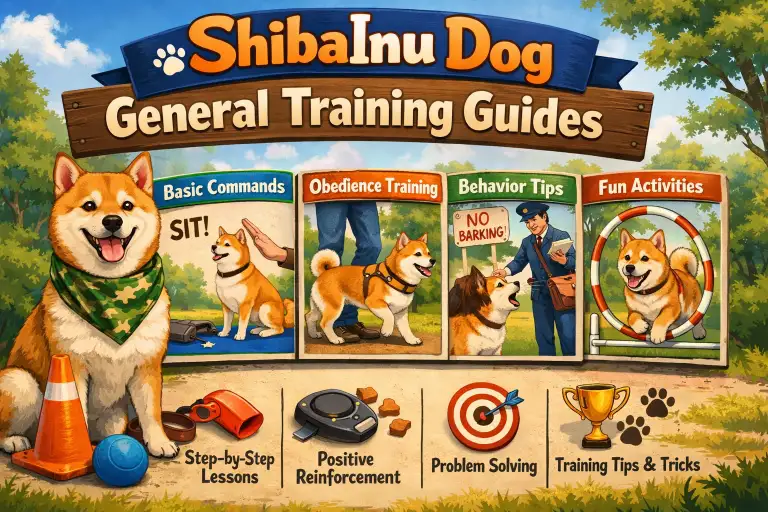
| Training Style | Positive reinforcement |
Shiba Inu Grooming and Shedding
One of the most common questions owners ask is: Do Shiba Inus shed a lot?
The answer is yes.
Shiba Inus shed moderately throughout the year and heavily during spring and fall shedding seasons, often called “blowing coat.”
Recommended grooming routine:
- Brush once or twice weekly
- Brush daily during shedding seasons
- Trim nails every 2 to 4 weeks
- Clean ears regularly
- Brush teeth several times per week
Fortunately, Shiba Inus are naturally clean dogs and rarely develop strong dog odor.
Shiba Inu Lifespan and Health Problems
The average Shiba Inu lifespan ranges between 12 and 16 years, making them one of the longer-living medium-sized dog breeds.
Common health concerns include:
- Patellar luxation
- Hip dysplasia
- Allergies
- Glaucoma
- Progressive retinal atrophy (PRA)
Choosing a responsible breeder that performs health testing significantly reduces the risk of inherited conditions.
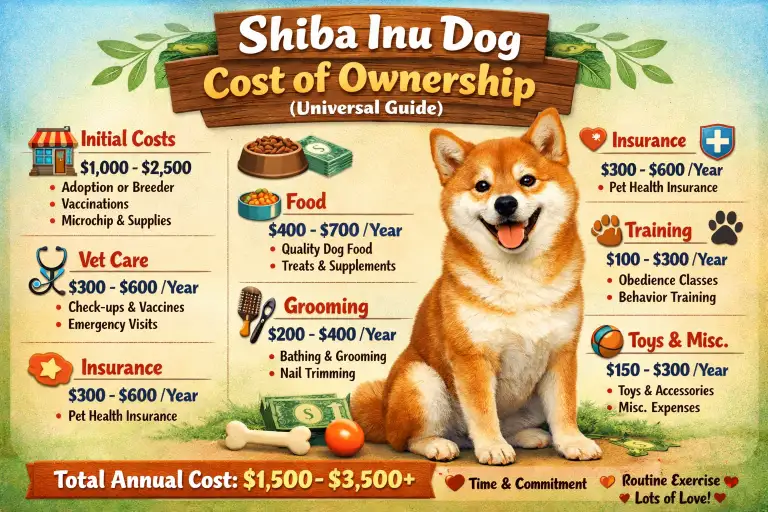
How Much Does a Shiba Inu Cost?
The total cost of owning a Shiba Inu extends well beyond the initial purchase price.
| Expense Category | Estimated Cost |
|---|---|
| Puppy Purchase Price | $1,500–$3,500+ |
| Annual Food Costs | $400–$800 |
| Veterinary Care | $300–$800 annually |
| Pet Insurance | $300–$700 annually |
| Lifetime Ownership Cost | $25,000–$45,000+ |
Shiba Inu Pros and Cons
| Pros | Cons |
|---|---|
| Clean and low odor | Strong independent streak |
| Loyal and devoted | Difficult recall training |
| Compact size | Heavy seasonal shedding |
| Quiet indoors | High prey drive |
| Highly intelligent | Not eager to please |
Is the Shiba Inu Right for You?
The Shiba Inu is best suited for owners who appreciate intelligence, independence, and personality. This breed is not designed to be blindly obedient, but for the right owner, few dogs offer the same combination of loyalty, confidence, and companionship.
If you want a dog that respects boundaries, values routine, and forms deep bonds with its family, the Shiba Inu may be an excellent choice.
Frequently Asked Questions About Shiba Inus
Are Shiba Inus good for first-time dog owners?
Generally, no. Their independence and stubbornness make them more suitable for experienced owners.
Do Shiba Inus bark a lot?
No. Shiba Inus are relatively quiet dogs compared to many breeds, although they can be vocal when stressed or excited.
Do Shiba Inus get along with cats?
Some do if raised together, but their strong prey drive means success is never guaranteed.
Can Shiba Inus live in apartments?
Yes. They adapt well to apartment living as long as they receive enough exercise and mental stimulation.
How much exercise does a Shiba Inu need?
Most adult Shiba Inus need at least 45 to 60 minutes of exercise every day.

Ata Ur Rehman is the founder of Pet Age in Human Years Calculator, an educational platform that provides age conversion charts and lifespan guides for dogs, cats, birds, and other companion animals. His work focuses on helping pet owners understand how animal ages translate into human years using commonly accepted age conversion formulas and published lifespan averages.
The website compiles breed and species lifespan data from kennel clubs, breed organizations, and general animal lifespan studies to present simple and easy-to-understand guides for pet owners worldwide.
This website was created to centralize animal age conversion charts into one easy reference platform for pet owners.
This article is for general education. For symptoms, medication, diet changes, or health concerns, use a qualified veterinarian who can assess your individual pet.