On this page
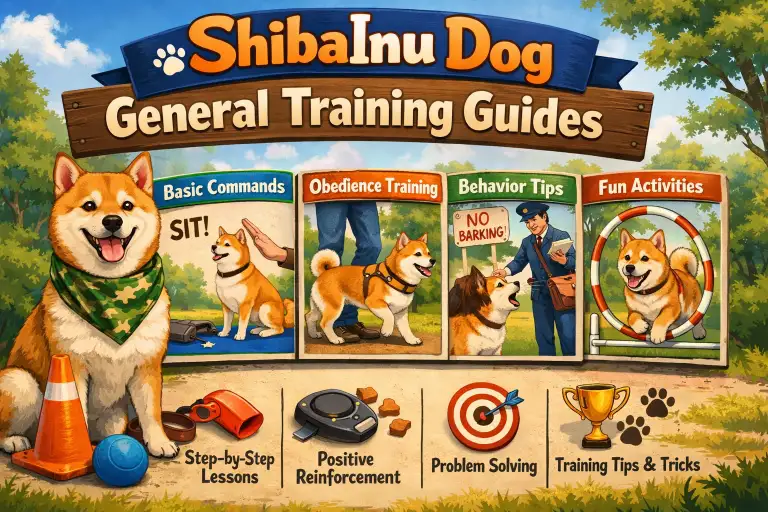
Training a Shiba Inu is very different from training many other dog breeds. If you’ve ever wondered why your Shiba ignores commands, loses interest quickly, or seems to make its own decisions, you’re not alone. The Shiba Inu is one of the most independent dog breeds in the world, which means traditional obedience methods often fail.
The good news is that Shiba Inus are highly intelligent and capable of learning quickly when training matches their natural instincts and personality. This guide explains exactly how to train a Shiba Inu puppy or adult dog using positive reinforcement, motivation, and consistency.
Why Shiba Inu Training Is Different
Originally bred in Japan as hunting dogs, Shiba Inus were designed to work independently rather than wait for instructions from humans. Unlike breeds that naturally seek approval from their owners, Shibas evaluate situations and decide whether a command is worth following.
This does not mean Shiba Inus are stubborn or untrainable. It means owners must provide clear rewards and make training sessions engaging and worthwhile.
| Shiba Inu Trait | Training Impact | Best Training Approach |
|---|---|---|
| Independent personality | May ignore low-value rewards | Use high-value treats and motivation |
| Strong prey drive | Likely to chase animals or moving objects | Start recall training early |
| Sensitive temperament | Responds poorly to punishment | Use reward-based methods only |
| High intelligence | Gets bored with repetition | Keep sessions short and varied |
Best Age to Start Shiba Inu Training
The ideal time to begin Shiba Inu puppy training is between 8 and 12 weeks of age. Early socialization and obedience training help prevent common behavioral problems later in life.
| Age | Training Priority |
|---|---|
| 8-12 weeks | Name recognition, socialization, crate training |
| 3-6 months | Sit, stay, leash training, recall |
| 6-12 months | Impulse control and real-world obedience |
| 1 year and older | Consistency and advanced training |
How to Train a Shiba Inu Successfully
1. Use Positive Reinforcement
Shiba Inus respond exceptionally well to rewards but poorly to punishment. Use small treats, toys, praise, or games immediately after the correct behavior.
2. Keep Training Sessions Short
Five-minute sessions are often more effective than thirty-minute sessions. End training while your dog is still interested and engaged.
3. Train in Low-Distraction Environments
Start indoors before moving to parks or busy streets. Gradually increase distractions as your dog’s reliability improves.
4. Never Repeat Commands Constantly
If your Shiba learns that commands can be ignored several times before responding, reliability decreases quickly.
Shiba Inu Recall Training
Recall is one of the most important skills for this breed due to the Shiba Inu’s strong prey drive and tendency to run when off leash.
- Practice indoors first.
- Use extremely valuable rewards.
- Train using long leads in secure areas.
- Never punish your dog for returning slowly.
- Continue recall practice throughout adulthood.
Common Shiba Inu Training Problems
| Problem | Common Cause | Solution |
|---|---|---|
| Ignoring commands | Low motivation | Increase reward value |
| Leash pulling | Excitement or frustration | Reward calm walking |
| Running away | Strong prey drive | Use long lines and recall practice |
| Shiba scream | Fear or stress | Reduce pressure and remain calm |
| Refusing to move | Overwhelm or uncertainty | Slow training down |
Frequently Asked Questions
Are Shiba Inus difficult to train?
Shiba Inus are not difficult to train, but they require a different approach than people-pleasing breeds. Positive reinforcement and patience produce the best results.
Can a Shiba Inu be trusted off leash?
Most experts do not recommend allowing Shiba Inus off leash in unsecured areas because of their strong prey drive and independent nature.
How long does it take to train a Shiba Inu?
Basic obedience usually takes several months of consistent work, while reliable real-world behavior requires ongoing training throughout adulthood.
What is the biggest mistake owners make?
The most common mistake is using punishment or expecting the dog to obey simply to please the owner.

Ata Ur Rehman is the founder of Pet Age in Human Years Calculator, an educational platform that provides age conversion charts and lifespan guides for dogs, cats, birds, and other companion animals. His work focuses on helping pet owners understand how animal ages translate into human years using commonly accepted age conversion formulas and published lifespan averages.
The website compiles breed and species lifespan data from kennel clubs, breed organizations, and general animal lifespan studies to present simple and easy-to-understand guides for pet owners worldwide.
This website was created to centralize animal age conversion charts into one easy reference platform for pet owners.
This article is for general education. For symptoms, medication, diet changes, or health concerns, use a qualified veterinarian who can assess your individual pet.