On this page
What This Guide Will Help You Do
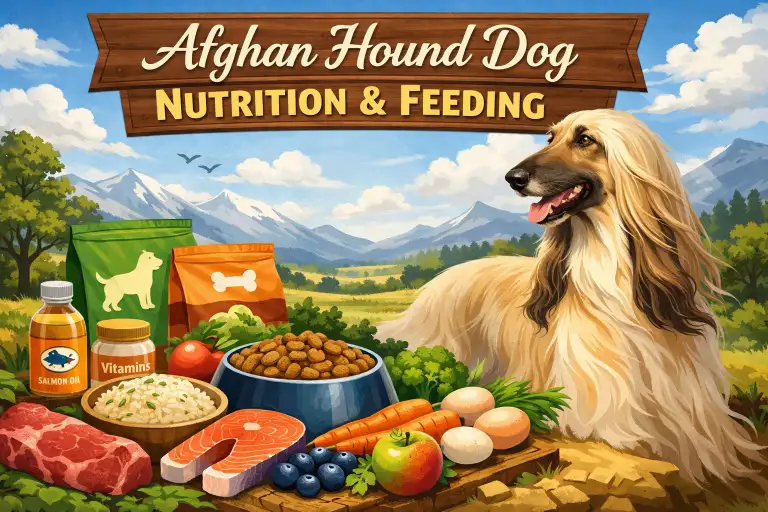
Providing the right nutrition is one of the most important responsibilities of owning an Afghan Hound. This elegant sighthound is known for its athletic build, luxurious coat, and active personality, all of which require a carefully balanced diet. Whether you have a playful puppy, an energetic adult, or a senior companion, proper feeding supports healthy growth, lean muscle development, digestive health, immune function, and a beautiful coat.
In this comprehensive guide, you’ll learn:
- The nutritional requirements of Afghan Hounds at every life stage.
- How many calories your dog needs based on weight and activity.
- Recommended feeding schedules for puppies, adults, and seniors.
- The advantages and disadvantages of different dog food types.
- Safe foods, toxic foods, and healthy treats.
- Practical feeding advice for picky eaters, active dogs, and seniors.
- Common feeding mistakes and how to avoid them.
- Answers to frequently asked questions from Afghan Hound owners.
By following these recommendations, you can help your Afghan Hound maintain an ideal body condition, healthy joints, abundant energy, and a long, healthy life.
Why Nutrition Matters for Afghan Hounds
Afghan Hounds were originally bred to hunt across rugged terrain, making them naturally athletic and energetic dogs. Their lean physique and flowing coat require significantly different nutritional management than many other breeds.
A balanced diet helps:
- Build and maintain lean muscle.
- Support healthy skin and a silky coat.
- Maintain steady energy throughout the day.
- Promote proper digestion.
- Strengthen the immune system.
- Support healthy joints and mobility.
- Reduce the risk of obesity and related diseases.
Because Afghan Hounds may also be selective eaters and occasionally experience digestive sensitivity, choosing high-quality food and maintaining a consistent feeding routine is especially important.
Understanding Afghan Hound Nutritional Needs
A complete diet should provide the correct balance of protein, fats, carbohydrates, vitamins, minerals, fiber, and water.
Protein
Protein is the foundation of your Afghan Hound’s diet. It supports muscle maintenance, tissue repair, enzyme production, immune health, and overall body function.
Excellent protein sources include:
- Chicken
- Turkey
- Beef
- Lamb
- Salmon
- Duck
- Eggs
Growing puppies and highly active adults generally require more protein than senior dogs.
Healthy Fats
Healthy fats provide concentrated energy while supporting brain function, hormone production, skin health, and the breed’s distinctive long coat.
Good fat sources include:
- Fish oil
- Chicken fat
- Salmon
- Sardines
- Flaxseed
- Sunflower oil
Omega-3 fatty acids help reduce inflammation and improve coat quality, while Omega-6 fatty acids support healthy skin.
Carbohydrates
Carbohydrates provide readily available energy and dietary fiber.
Healthy carbohydrate sources include:
- Brown rice
- Oats
- Sweet potatoes
- Pumpkin
- Barley
- Peas
Complex carbohydrates are generally preferable because they provide slow, sustained energy.
Fiber
Adequate fiber helps maintain healthy digestion and consistent stool quality.
Common fiber sources include:
- Pumpkin
- Beet pulp
- Sweet potatoes
- Green beans
- Carrots
Fiber also promotes satiety, making it beneficial for weight management.
Recommended Macronutrient Balance
| Nutrient | Adult Afghan Hound | Growing Puppy |
|---|---|---|
| Protein | 22–28% | 26–30% |
| Fat | 12–18% | 15–20% |
| Carbohydrates | Moderate | Moderate |
| Fiber | 3–5% | 3–5% |
Actual requirements may vary depending on activity level, reproductive status, and underlying medical conditions.
Essential Vitamins and Minerals
Micronutrients are equally important for long-term health.
| Nutrient | Primary Benefit | Common Food Sources |
|---|---|---|
| Calcium | Bones and teeth | Balanced commercial diets |
| Phosphorus | Bone development | Meat, fish |
| Vitamin A | Vision and skin | Liver, carrots |
| Vitamin D | Calcium absorption | Fish oils |
| Vitamin E | Antioxidant protection | Plant oils |
| Zinc | Skin and coat | Meat |
| Iron | Red blood cells | Organ meats |
| Selenium | Immune function | Fish, meats |
Dogs eating a complete commercial food usually do not require additional vitamin supplementation unless recommended by a veterinarian.
Water Requirements
Fresh water should always be available.
An adult Afghan Hound typically drinks approximately 50–70 ml of water per kilogram of body weight daily, although exercise, weather, and diet can significantly increase this requirement.
Signs of dehydration include:
- Dry gums
- Sunken eyes
- Lethargy
- Thick saliva
- Reduced skin elasticity
How to Read Dog Food Labels
Understanding dog food labels helps you select higher-quality diets.
Look for:
- Named animal protein as the first ingredient.
- A statement indicating the food is complete and balanced.
- Appropriate life-stage formulation.
- Clearly listed guaranteed analysis.
- Transparent ingredient list.
Be cautious of marketing terms such as:
- Premium
- Holistic
- Gourmet
- Natural
These terms are not reliable indicators of nutritional quality.
Instead, focus on ingredient quality, nutrient profile, and manufacturer reputation.
Ingredients Worth Looking For
High-quality ingredients include:
- Chicken
- Turkey
- Lamb
- Beef
- Salmon
- Eggs
- Brown rice
- Oats
- Sweet potatoes
- Pumpkin
- Fish oil
- Flaxseed
- Blueberries
- Spinach
Ingredients to Limit
Some foods may contain excessive amounts of:
- Artificial preservatives
- Artificial colors
- Excessive fillers
- Added sugars
- Large amounts of by-products
- Unnecessary flavor enhancers
These ingredients may reduce overall nutritional quality compared with diets emphasizing whole-food ingredients.
Body Condition Score (BCS)
Rather than relying only on body weight, veterinarians recommend using the Body Condition Score.
| BCS | Description | Recommendation |
|---|---|---|
| 1–3 | Underweight | Increase calorie intake after veterinary evaluation |
| 4–5 | Ideal | Maintain current feeding plan |
| 6–7 | Slightly overweight | Reduce calories and increase exercise |
| 8–9 | Obese | Veterinary-guided weight management plan |
For Afghan Hounds, maintaining a naturally lean physique is healthier than allowing excess body fat to accumulate.
Key Takeaways
Proper nutrition forms the foundation of lifelong health for Afghan Hounds. A balanced diet rich in quality protein, healthy fats, digestible carbohydrates, essential vitamins, and minerals supports everything from muscle development to coat condition and immune health. Establishing good feeding habits early helps reduce the risk of obesity, digestive issues, and nutritional deficiencies while allowing your Afghan Hound to thrive throughout every stage of life.
Calorie Needs by Weight and Activity Level
Afghan Hounds are naturally lean and athletic. Their calorie requirements depend on age, weight, activity level, metabolism, and whether they are neutered or spayed. Regularly monitor your dog’s body condition rather than feeding a fixed amount year-round.
| Weight | Low Activity | Moderate Activity | High Activity |
|---|---|---|---|
| 20 kg (44 lbs) | 900–1,050 kcal | 1,100–1,250 kcal | 1,300–1,500 kcal |
| 25 kg (55 lbs) | 1,100–1,250 kcal | 1,300–1,500 kcal | 1,500–1,800 kcal |
| 30 kg (66 lbs) | 1,250–1,450 kcal | 1,500–1,700 kcal | 1,700–2,000 kcal |
These values are estimates. Puppies, pregnant females, nursing mothers, and working dogs often require more calories.
Feeding Schedule by Life Stage
Proper meal frequency supports healthy digestion and stable energy levels.
| Life Stage | Meals Per Day | Feeding Advice |
|---|---|---|
| 8–12 Weeks | 4 | Small, evenly spaced meals |
| 3–6 Months | 3 | Increase portions gradually |
| 6–12 Months | 2–3 | Transition to adult food when growth slows |
| Adult (1–7 Years) | 2 | Feed morning and evening |
| Senior (7+ Years) | 2 | Smaller, easier-to-digest meals |
Avoid feeding one large meal daily, as dividing food into two meals may reduce digestive discomfort.
Portion Guide
Always adjust portions according to your dog’s body condition and the calorie density of the chosen food.
| Weight | Daily Dry Food |
|---|---|
| 20 kg | 270–340 g |
| 25 kg | 320–410 g |
| 30 kg | 380–470 g |
Follow the manufacturer’s feeding guide as a starting point and adjust as needed.
Best Food Types for Afghan Hounds
Dry Kibble
Advantages
- Nutritionally balanced
- Convenient
- Affordable
- Good shelf life
- Supports dental health
Disadvantages
- Lower moisture
- Quality varies between brands
Wet Food
Advantages
- Highly palatable
- Higher moisture content
- Suitable for picky eaters
Disadvantages
- More expensive
- Shorter shelf life after opening
Fresh Food
Advantages
- Highly digestible
- Excellent ingredient quality
- Appealing taste
Disadvantages
- Higher cost
- Refrigeration required
Raw Diet
Advantages
- High protein
- Minimal processing
Disadvantages
- Risk of bacterial contamination
- Difficult to balance correctly
- Not appropriate without veterinary guidance
Homemade Diet
Advantages
- Full ingredient control
- Useful for dogs with allergies
Disadvantages
- Time-consuming
- Requires formulation by a veterinary nutritionist
Foods Afghan Hounds Can Safely Eat
| Safe Food | Benefits |
|---|---|
| Chicken | Lean protein |
| Turkey | Easily digestible protein |
| Beef | Iron and protein |
| Lamb | Rich in amino acids |
| Salmon | Omega-3 fatty acids |
| Eggs | Complete protein |
| Pumpkin | Digestive support |
| Sweet Potato | Complex carbohydrates |
| Carrots | Fiber and Vitamin A |
| Blueberries | Antioxidants |
| Green Beans | Low-calorie snack |
| Plain Yogurt | Probiotics (in moderation) |
Foods Afghan Hounds Should Never Eat
| Food | Why It’s Dangerous |
|---|---|
| Chocolate | Contains theobromine |
| Grapes | May cause kidney failure |
| Raisins | Toxic to kidneys |
| Onions | Damage red blood cells |
| Garlic | Toxic in large amounts |
| Xylitol | Can cause severe hypoglycemia |
| Alcohol | Toxic to dogs |
| Caffeine | Dangerous stimulant |
| Macadamia Nuts | Neurological symptoms |
| Cooked Bones | Splintering hazard |
Healthy Treat Guidelines
Treats should account for no more than 10% of your Afghan Hound’s daily calorie intake.
Healthy treats include:
- Cooked chicken
- Turkey pieces
- Carrot sticks
- Green beans
- Apple slices (without seeds)
- Blueberries
- Commercial low-calorie training treats
Transitioning to a New Food
Switch foods gradually over 7–10 days.
| Day | Old Food | New Food |
|---|---|---|
| 1–2 | 75% | 25% |
| 3–4 | 50% | 50% |
| 5–6 | 25% | 75% |
| 7+ | 0% | 100% |
Slow transitions help reduce digestive upset.
Common Feeding Mistakes
| Mistake | Better Approach |
|---|---|
| Overfeeding | Measure every meal |
| Too many treats | Keep treats below 10% of calories |
| Free feeding | Feed scheduled meals |
| Frequent food changes | Change diets gradually |
| Ignoring body condition | Check weight monthly |
| Feeding table scraps | Choose healthy dog treats instead |
Nutrition Tips for Senior Afghan Hounds
As Afghan Hounds age, metabolism slows and activity often decreases.
Choose foods that provide:
- Moderate calories
- High-quality protein
- Joint-support nutrients
- Easily digestible ingredients
- Omega-3 fatty acids
- Added antioxidants
Monitor weight regularly because both obesity and unintended weight loss become more common in senior dogs.
Frequently Asked Questions
How much should an adult Afghan Hound eat each day?
Most healthy adult Afghan Hounds consume between 270 and 470 grams of dry food daily, depending on body weight, activity level, calorie density, and metabolism.
Are Afghan Hounds picky eaters?
Yes. Many Afghan Hounds can be selective about food. Maintaining a consistent feeding schedule and choosing high-quality diets often improves appetite.
Is grain-free food better?
Not necessarily. Unless your dog has a diagnosed grain allergy or intolerance, grain-inclusive diets can be perfectly healthy and nutritionally balanced.
Can Afghan Hounds eat raw food?
They can, but raw diets must be nutritionally balanced and handled safely to reduce bacterial risks. Consult your veterinarian before switching.
What is the best protein source?
Chicken, turkey, beef, lamb, salmon, and eggs are excellent high-quality protein sources.
How often should I feed my Afghan Hound?
Puppies should eat three to four meals daily, while most healthy adults do best with two meals per day.
Can Afghan Hounds eat vegetables?
Yes. Safe vegetables include carrots, green beans, pumpkin, spinach, and sweet potatoes. Avoid onions, garlic, and other toxic vegetables.
Which fruits are safe?
Apples without seeds, blueberries, strawberries, bananas, and watermelon in moderation are generally safe.
How can I tell if my Afghan Hound is overweight?
You should be able to feel the ribs without excessive fat covering them, and your dog should have a visible waist when viewed from above.
Should I give supplements?
Most dogs eating a complete and balanced commercial diet do not need supplements unless recommended by a veterinarian.
Final Thoughts
Proper nutrition is one of the most effective ways to support your Afghan Hound’s lifelong health. A balanced diet tailored to your dog’s age, activity level, and body condition helps maintain lean muscle, healthy joints, strong immunity, excellent digestion, and the breed’s signature flowing coat. Combine high-quality food with regular exercise, routine veterinary checkups, fresh water, and consistent portion control to help your Afghan Hound enjoy a long, active, and healthy life.

Ata Ur Rehman is the founder of Pet Age in Human Years Calculator, an educational platform that provides age conversion charts and lifespan guides for dogs, cats, birds, and other companion animals. His work focuses on helping pet owners understand how animal ages translate into human years using commonly accepted age conversion formulas and published lifespan averages.
The website compiles breed and species lifespan data from kennel clubs, breed organizations, and general animal lifespan studies to present simple and easy-to-understand guides for pet owners worldwide.
This website was created to centralize animal age conversion charts into one easy reference platform for pet owners.
This article is for general education. For symptoms, medication, diet changes, or health concerns, use a qualified veterinarian who can assess your individual pet.