On this page
The Belgian Malinois dog is one of the most intelligent, energetic, and hardworking dog breeds in the world. Originally developed in Belgium as a herding dog, the Belgian Malinois has become a favorite among police departments, military units, search-and-rescue teams, and experienced dog owners who need a highly trainable companion. While often compared to the German Shepherd, the Belgian Malinois is generally faster, more agile, and more intense in its working drive. Understanding the breed’s temperament, exercise requirements, health concerns, and daily care needs is essential before bringing one into your home.
Belgian Malinois Quick Facts
| Trait | Details |
|---|---|
| Breed Group | Herding |
| Origin | Belgium |
| Height | 22–26 inches |
| Weight | 40–80 pounds |
| Lifespan | 12–14 years |
| Energy Level | Very High |
| Intelligence | Extremely High |
| Trainability | Excellent |
| Shedding | Moderate |
| Good for Families | Moderate |
| Good for First-Time Owners | No |
| Exercise Needs | Extremely High |
Belgian Malinois History and Origin
The Belgian Malinois originated in Belgium during the late nineteenth century as one of four Belgian Shepherd varieties. The breed takes its name from the city of Malines, where local breeders focused on creating a dog with exceptional intelligence, endurance, and herding ability.
Originally used to manage livestock, the Belgian Malinois quickly gained recognition for its speed, agility, and willingness to work. As farming practices changed, these qualities made the breed an ideal candidate for police work, military operations, protection training, and advanced canine sports.
Today, Belgian Malinois dogs are widely used by law enforcement agencies and military organizations around the world. Their ability to learn complex tasks, maintain focus under pressure, and perform physically demanding work has established them as one of the most respected working dog breeds.
Belgian Malinois Size and Weight
The Belgian Malinois is a medium-to-large dog with a lean, athletic build designed for speed and endurance rather than bulk.
Belgian Malinois Size Chart
| Age | Average Weight |
|---|---|
| 3 Months | 20–30 lbs |
| 6 Months | 35–50 lbs |
| 9 Months | 45–65 lbs |
| 12 Months | 55–75 lbs |
| Adult Female | 40–60 lbs |
| Adult Male | 60–80 lbs |
Adult Size
| Gender | Height | Weight |
|---|---|---|
| Male | 24–26 inches | 60–80 lbs |
| Female | 22–24 inches | 40–60 lbs |
Unlike heavier working breeds, the Belgian Malinois maintains a lean body structure that allows rapid acceleration, agility, and stamina. Their athletic frame contributes significantly to their success in demanding working environments.
Belgian Malinois Appearance and Coat
The Belgian Malinois has a short, dense double coat that provides protection from harsh weather while remaining easy to maintain. Most dogs display a rich fawn to mahogany coat with a distinctive black mask and black-tipped hairs.
Common physical characteristics include:
- Upright triangular ears
- Alert and intelligent expression
- Strong muscular body
- Deep chest
- Straight back
- Medium-length tail
- Dark brown eyes
The breed’s appearance reflects its working heritage. Every aspect of its physical structure supports endurance, speed, and responsiveness.
Belgian Malinois Temperament
The Belgian Malinois temperament is often described as intense, focused, loyal, and highly driven. This is not a breed that enjoys spending most of the day relaxing. Instead, it thrives when given tasks, challenges, and structured activities.
Belgian Malinois Temperament Traits
| Trait | Level |
|---|---|
| Energy Level | Very High |
| Intelligence | Extremely High |
| Loyalty | Very Strong |
| Trainability | Excellent |
| Protective Instinct | Strong |
| Stranger Friendliness | Low to Moderate |
| Prey Drive | High |
| Confidence | High |
Belgian Malinois dogs develop strong bonds with their owners and often become extremely attached to their family members. This breed is sometimes referred to as a “Velcro dog” because of its desire to stay close to its handler.
With strangers, Belgian Malinois are typically reserved and cautious. Proper socialization is essential to ensure confidence and stability in unfamiliar situations.
Are Belgian Malinois Good Family Dogs?
Belgian Malinois can be good family dogs when placed in the right environment. However, they are not ideal for every household.
Families considering a Belgian Malinois should understand that this breed requires:
- Consistent training
- Daily exercise
- Mental stimulation
- Structured routines
- Active participation from owners
Homes with older children often have greater success than those with very young children. The breed’s strong herding and prey instincts can lead to chasing, nipping, or overexcitement if not properly managed.
Exercise Requirements
One of the most important factors in Belgian Malinois ownership is exercise.
This breed requires significantly more physical activity than the average dog.
Daily Exercise Requirements
| Activity Type | Recommended Time |
|---|---|
| Physical Exercise | 90–120+ minutes |
| Structured Training | 30–60 minutes |
| Mental Stimulation | 30–60 minutes |
| Interactive Play | Daily |
Suitable activities include:
- Running
- Hiking
- Agility training
- Obedience work
- Protection sports
- Tracking exercises
- Advanced fetch games
- Nose work
Insufficient exercise often leads to destructive behaviors, excessive barking, anxiety, and frustration.
Belgian Malinois Training
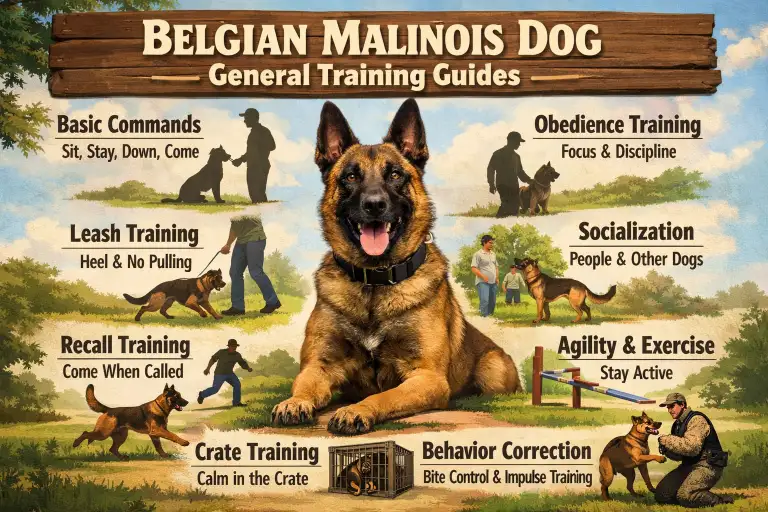
The Belgian Malinois is widely regarded as one of the most trainable dog breeds in the world.
Training should begin early and continue throughout the dog’s life.
Successful training approaches include:
- Positive reinforcement
- Consistency
- Clear communication
- Short, engaging sessions
- Structured leadership
Because of their intelligence, Belgian Malinois learn new commands quickly. However, they also become bored quickly if training lacks variety.
Experienced handlers often excel with this breed because they understand the importance of maintaining mental engagement and structure.
Living With Other Pets
Belgian Malinois possess a strong prey drive that can create challenges in multi-pet households.
Compatibility depends on:
- Early socialization
- Proper introductions
- Consistent supervision
- Individual temperament
While some Belgian Malinois coexist peacefully with cats and smaller animals, others may retain strong chasing instincts throughout their lives.
Owners should never assume compatibility without proper evaluation and management.
Belgian Malinois Health Problems and Lifespan
The Belgian Malinois is generally considered a healthy breed, especially when sourced from responsible breeders who perform genetic health testing. However, like all purebred dogs, they are susceptible to certain inherited and lifestyle-related health conditions.
Common Belgian Malinois Health Issues
| Health Condition | Description |
|---|---|
| Hip Dysplasia | Abnormal hip joint development causing pain and mobility issues |
| Elbow Dysplasia | Developmental joint disorder affecting front legs |
| Progressive Retinal Atrophy (PRA) | Eye disease that can lead to blindness |
| Epilepsy | Neurological disorder causing seizures |
| Cataracts | Clouding of the eye lens |
| Gastric Dilatation-Volvulus (Bloat) | Life-threatening stomach condition |
| Allergies | Skin and environmental sensitivities |
Regular veterinary checkups, high-quality nutrition, proper exercise, and maintaining a healthy weight can significantly reduce the risk of many health problems.
Belgian Malinois Lifespan
| Category | Lifespan |
|---|---|
| Average Lifespan | 12–14 Years |
| Well-Bred Dogs | 14–16 Years |
| Working Dogs | Varies Based on Workload |
Many Belgian Malinois remain active and athletic well into their senior years when provided with appropriate care and exercise.
Belgian Malinois Grooming Requirements
Despite their working-dog reputation, Belgian Malinois are relatively easy to groom.
Their short double coat protects them from both cold and warm weather while requiring only moderate maintenance.
Grooming Schedule
| Grooming Task | Frequency |
|---|---|
| Brushing | 1–2 Times Per Week |
| Bathing | Every 6–8 Weeks |
| Nail Trimming | Every 3–4 Weeks |
| Ear Cleaning | Weekly |
| Teeth Brushing | Several Times Weekly |
Belgian Malinois shed moderately throughout the year and experience heavier shedding periods during seasonal coat changes in spring and fall.
Regular brushing helps control loose hair and keeps the coat healthy.
Belgian Malinois Feeding Guide
A Belgian Malinois requires a nutrient-dense diet that supports its high activity level and lean muscle development.
The exact amount of food depends on factors such as:
- Age
- Weight
- Activity level
- Metabolism
- Health status
Daily Feeding Guidelines
| Weight | Daily Food Amount |
|---|---|
| 40–50 lbs | 2–3 Cups |
| 50–65 lbs | 3–4 Cups |
| 65–80 lbs | 4–5 Cups |
Puppies require more frequent meals, while adults generally thrive on two meals per day.
Owners should prioritize high-quality dog food with:
- Animal-based protein
- Healthy fats
- Essential vitamins
- Joint-support nutrients
Fresh water should always be available.
Cost of Owning a Belgian Malinois
Many prospective owners underestimate the true cost of owning a Belgian Malinois.
The purchase price is only one part of the overall financial commitment.
Estimated Ownership Costs
| Expense Category | Annual Cost |
|---|---|
| Food | $600–$1,200 |
| Veterinary Care | $300–$1,000 |
| Training | $500–$3,000+ |
| Toys and Equipment | $200–$800 |
| Insurance | $300–$1,000 |
Initial Purchase Price
| Source | Price Range |
|---|---|
| Reputable Breeder | $1,500–$4,000+ |
| Working Lines | $2,500–$6,000+ |
| Rescue Organizations | $200–$800 |
Professional training often becomes the largest ongoing expense for Belgian Malinois owners.
Belgian Malinois vs German Shepherd
The Belgian Malinois and German Shepherd are frequently compared because both excel in military, police, and protection work.
However, they differ significantly in energy level, temperament, and ownership requirements.
Belgian Malinois vs German Shepherd Comparison
| Feature | Belgian Malinois | German Shepherd |
|---|---|---|
| Energy Level | Very High | High |
| Trainability | Excellent | Excellent |
| Agility | Excellent | Very Good |
| Family Suitability | Moderate | High |
| Protection Ability | Excellent | Excellent |
| Size | Smaller and Leaner | Larger and Heavier |
| First-Time Owner Friendly | No | Sometimes |
| Exercise Needs | Extremely High | High |
Most experts consider the Belgian Malinois the more demanding breed, requiring greater physical activity and mental engagement.
Belgian Malinois Pros and Cons
Before choosing this breed, it is important to weigh both the advantages and disadvantages.
Pros and Cons Table
| Pros | Cons |
|---|---|
| Extremely Intelligent | Requires Extensive Exercise |
| Highly Trainable | Not Ideal for Beginners |
| Loyal and Protective | Strong Prey Drive |
| Athletic and Agile | Can Become Destructive When Bored |
| Excellent Working Ability | Needs Constant Mental Stimulation |
| Strong Bond With Owner | Poor Fit for Sedentary Households |
The Belgian Malinois excels in homes that can provide structure, training, and daily engagement.
Is a Belgian Malinois Right for You?
A Belgian Malinois can be an incredible companion for the right person, but it is not the right dog for everyone.
This breed may be a good fit if you:
- Have previous dog experience
- Enjoy outdoor activities
- Want a highly trainable dog
- Can dedicate time to training
- Live an active lifestyle
This breed may not be suitable if you:
- Are a first-time dog owner
- Work long hours away from home
- Prefer a low-maintenance pet
- Have limited time for exercise
- Want a relaxed companion dog
The Belgian Malinois thrives when given purpose, direction, and daily opportunities to work alongside its owner.
Frequently Asked Questions
Are Belgian Malinois good family dogs?
Belgian Malinois can be good family dogs for experienced owners who provide consistent training, exercise, and supervision. They generally perform best in active households.
Are Belgian Malinois aggressive?
Belgian Malinois are not naturally aggressive, but they are highly protective and alert. Poor socialization or inadequate training can contribute to behavioral issues.
How much exercise does a Belgian Malinois need?
Most Belgian Malinois require at least 90–120 minutes of intense physical activity every day along with mental stimulation.
Do Belgian Malinois bark a lot?
They can be vocal, especially when bored, under-stimulated, or alerting their owners to potential threats.
Do Belgian Malinois shed?
Yes. Belgian Malinois shed moderately year-round and more heavily during seasonal coat changes.
How long do Belgian Malinois live?
The average Belgian Malinois lifespan is between 12 and 14 years, though some individuals live longer with proper care.
Can Belgian Malinois live in apartments?
Apartment living is generally not ideal unless owners are extremely committed to providing substantial daily exercise and mental enrichment.
Are Belgian Malinois easy to train?
Yes. Belgian Malinois are among the most trainable dog breeds in the world and excel in advanced obedience and working disciplines.
What jobs are Belgian Malinois commonly used for?
Belgian Malinois are commonly employed in police work, military operations, detection work, search and rescue, protection sports, and service roles.
What is the difference between a Belgian Malinois and a German Shepherd?
Belgian Malinois are typically leaner, faster, and more energetic, while German Shepherds are generally larger, calmer, and more family-oriented.
Final Thoughts
The Belgian Malinois is one of the world’s most capable working dog breeds. Known for exceptional intelligence, loyalty, athleticism, and trainability, this breed excels when given meaningful work and strong leadership. However, these same qualities make it a challenging choice for inexperienced owners. A Belgian Malinois is not simply a pet—it is a highly driven partner that requires daily physical exercise, mental stimulation, and structured training. For active individuals willing to invest the necessary time and effort, the Belgian Malinois can be an extraordinarily rewarding companion and one of the most versatile dog breeds available today.

Ata Ur Rehman is the founder of Pet Age in Human Years Calculator, an educational platform that provides age conversion charts and lifespan guides for dogs, cats, birds, and other companion animals. His work focuses on helping pet owners understand how animal ages translate into human years using commonly accepted age conversion formulas and published lifespan averages.
The website compiles breed and species lifespan data from kennel clubs, breed organizations, and general animal lifespan studies to present simple and easy-to-understand guides for pet owners worldwide.
This website was created to centralize animal age conversion charts into one easy reference platform for pet owners.
This article is for general education. For symptoms, medication, diet changes, or health concerns, use a qualified veterinarian who can assess your individual pet.