On this page
The Chinese Crested Dog is a small toy companion breed known for its affectionate temperament, long lifespan, low-shedding coat types, and unusual Hairless or Powderpuff appearance. Most Chinese Cresteds weigh 8–12 pounds, stand 11–13 inches tall, and do best in homes where they receive daily attention, gentle handling, and close companionship.
This breed is not just chosen for its unique look. A Chinese Crested can be loving, playful, alert, and deeply attached to its owner. However, it is also sensitive, physically delicate, and often prone to separation anxiety if left alone for long hours. That makes lifestyle fit especially important before choosing this breed.
If you already own a Chinese Crested or are comparing life stages, you can use the Chinese Crested Dog Age Calculator to estimate your dog’s age in human years and better understand where they are in their lifespan.
Chinese Crested Dog Quick Facts
| Breed Group: | Toy / Companion |
| Height: | 11–13 inches |
| Weight: | 8–12 pounds |
| Lifespan: | 13–18 years |
| Coat Types: | Hairless and Powderpuff |
| Shedding Level: | Low |
| Temperament: | Affectionate, playful, alert, sensitive, loyal |
| Best For: | Apartment living, calm homes, seniors, attentive owners |
| Care Difficulty: | Moderate, mainly due to skin, coat, dental, and emotional care needs |
One of the most distinctive features of the Chinese Crested Dog is that it comes in two varieties within the same breed: Hairless and Powderpuff. The Hairless Chinese Crested has exposed skin with hair mainly on the head, feet, and tail. The Powderpuff Chinese Crested has a soft, full coat covering the body. Both varieties share the same general size, personality, and companion-dog nature, but their grooming needs are very different.
The breed is often misunderstood. Some people assume Chinese Cresteds are completely hypoallergenic, maintenance-free, or only suitable as decorative lap dogs. In reality, they are low-shedding and can be easier for some allergy-sensitive owners to live with, but they still need consistent grooming, skin or coat care, dental attention, and strong emotional engagement from their family.
Are Chinese Crested Dogs Hypoallergenic?
Chinese Crested Dogs are often described as hypoallergenic because they shed very little, especially the Hairless variety. However, no dog breed is completely hypoallergenic. People can still react to dander, saliva, or skin oils, so anyone with allergies should spend time around the breed before bringing one home.
At its core, the Chinese Crested is a companion dog. It is not ideal for owners who want an independent dog that can be left alone all day. This breed does best with people who can provide affection, gentle training, predictable routines, and regular daily interaction.
Chinese Crested Dog History, Appearance, and Varieties
The exact origin of the Chinese Crested Dog is still debated, but the breed has long been associated with small hairless companion dogs that traveled with sailors and were valued for their alertness, portability, and ability to live closely with people. Over time, the breed became known for its distinctive appearance and strong companion-dog personality.
Today, the Chinese Crested is recognized mostly as a toy companion breed. Its appeal comes from a mix of affectionate temperament, compact size, low-shedding coat types, and a look that is very different from most small dog breeds.
In appearance, the Chinese Crested is small, fine-boned, and graceful. It usually stands 11–13 inches tall and weighs about 8–12 pounds. Although the breed can look delicate, many Chinese Cresteds are lively, playful, and more athletic than people expect. Because of their small frame, they should be handled carefully, especially around young children or larger dogs.
The two coat varieties are part of the same breed and can even appear in the same litter. Choosing between a Hairless and Powderpuff Chinese Crested usually depends more on grooming preference, climate, and skin or coat care expectations than on temperament.
Hairless vs Powderpuff Chinese Crested
| Feature | Hairless Chinese Crested | Powderpuff Chinese Crested |
|---|---|---|
| Coat | Mostly exposed skin | Full soft coat |
| Hair Areas | Head crest, feet, and tail | Hair covers the body |
| Grooming Focus | Skin care, bathing, moisturizing, sun and cold protection | Regular brushing to prevent tangles and mats |
| Shedding | Very low | Low |
| Common Care Concern | Skin sensitivity and dental issues | Coat maintenance and brushing routine |
| Temperament | Affectionate, playful, sensitive, people-focused | Affectionate, playful, sensitive, people-focused |
The Hairless Chinese Crested is the more recognizable variety. It has smooth exposed skin with hair on the crest, feet, and tail. Because the skin is not protected by a full coat, this variety needs protection from sunburn, cold weather, dryness, and irritation.
The Powderpuff Chinese Crested has a very different appearance because its body is covered in a soft coat. It still sheds less than many breeds, but it requires regular brushing to prevent tangles. This variety may suit owners who like the Chinese Crested temperament but prefer a fully coated dog.
Both varieties can make affectionate, loyal companions. The better choice depends on whether you prefer managing skin care or coat care.
Chinese Crested Temperament, Personality, and Behavior
The Chinese Crested temperament is affectionate, sensitive, playful, alert, and strongly people-focused. This breed forms a close bond with its owner and often wants to stay nearby throughout the day. Many Chinese Cresteds follow their people from room to room, enjoy lap time, and prefer being included in family routines rather than being left alone.
A Chinese Crested Dog is usually gentle and emotionally responsive. This breed does not do well with harsh correction, loud voices, or rough handling. Calm training, praise, treats, and predictable routines work best because Chinese Cresteds are sensitive dogs that learn better when they feel safe.
With family members, Chinese Cresteds are usually loving and loyal. With strangers, they may be shy, cautious, or slow to warm up. Early socialization can help them become more confident around visitors, new places, other dogs, and daily household sounds.
Chinese Cresteds can be good with children, but they are usually better suited for older kids who understand gentle handling. Because this breed is small and fine-boned, rough play can cause injury. In a calm home, they can be sweet, playful companions for children who respect their size and sensitivity.
Most Chinese Cresteds can get along well with other dogs and cats, especially when introduced carefully. They are not usually known for a strong prey drive, and many are more interested in human attention than chasing animals. However, because they are physically delicate, play with larger dogs should be supervised.
One of the main behavior concerns in this breed is separation anxiety. Chinese Cresteds often become deeply attached to their owners, so they may struggle when left alone for long periods. This can lead to barking, whining, pacing, clinginess, or destructive behavior if their emotional needs are not managed early.
Do Chinese Crested Dogs Have Separation Anxiety?
Yes, Chinese Crested Dogs can be prone to separation anxiety because they form strong emotional bonds with their owners. They are best suited for homes where someone is present for much of the day or where alone time is introduced gradually through training.
- Start alone-time training with very short absences.
- Use puzzle toys, calm enrichment, and safe resting spaces.
- Avoid making departures and returns overly emotional.
- Do not leave a Chinese Crested alone for long hours on a regular basis.
Chinese Crested Temperament Traits
| Trait | What It Means in Daily Life |
|---|---|
| Affectionate | Enjoys cuddling, lap time, and close contact with owners |
| Sensitive | Needs gentle handling, calm training, and predictable routines |
| Loyal | Forms a strong bond with one person or the whole family |
| Playful | Enjoys indoor games, short walks, and attention-based activities |
| Alert | May bark at unfamiliar sounds, visitors, or sudden changes |
| Social | Prefers companionship and may dislike being alone for long periods |
Overall, the Chinese Crested Dog is a loving companion breed for people who want a close, affectionate pet. It is not the best match for owners who want an independent dog, a rough playmate, or a low-interaction breed.
Chinese Crested Care Needs: Exercise, Training, Grooming, and Health
The Chinese Crested Dog does not need intense exercise, but it does need consistent daily care. Its main needs are gentle activity, positive training, skin or coat maintenance, dental care, and emotional attention. This breed is small, but it is not maintenance-free.
Most Chinese Cresteds do well with about 20 to 30 minutes of light daily activity. Short walks, indoor play, simple games, and trick training are usually enough. Mental stimulation is also important because bored Chinese Cresteds may become clingy, anxious, or vocal.
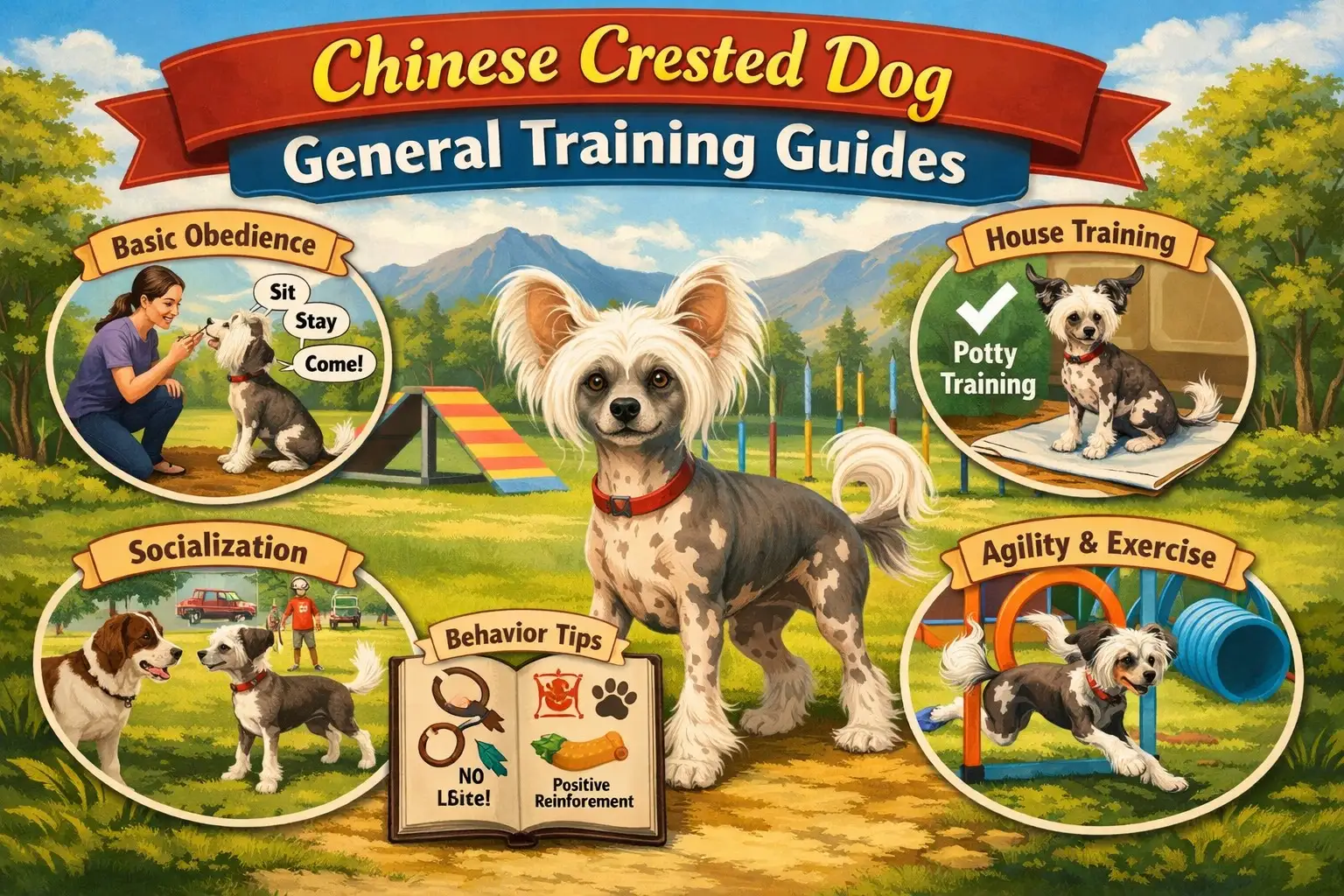
Training a Chinese Crested works best when it is patient and reward-based. These dogs are smart and eager to please, but they can shut down if corrected harshly. For obedience, house training, and behavior help, use the Chinese Crested Dog training guide.
Grooming depends heavily on the coat type. Hairless Chinese Cresteds need regular skin care, gentle bathing, moisturizing when needed, and protection from sun and cold. Powderpuff Chinese Cresteds need regular brushing to prevent tangles and mats. For detailed skin and coat routines, see the Chinese Crested grooming guide.
Dental care is especially important for this breed. Chinese Cresteds, particularly the Hairless variety, can be more prone to dental problems, weak teeth, or missing teeth. Regular brushing, dental checks, and early prevention can help reduce long-term health issues.
Daily Care Requirements
| Care Area | What This Breed Needs |
|---|---|
| Exercise | Short walks, indoor play, and light daily activity |
| Training | Gentle, positive reinforcement methods |
| Grooming | Skin care for Hairless dogs or brushing for Powderpuffs |
| Dental Care | Frequent tooth brushing and regular dental checks |
| Mental Stimulation | Puzzle toys, trick training, and calm enrichment |
| Companionship | Daily attention and limited long periods alone |
Chinese Cresteds are generally long-lived dogs, but they can still develop breed-related health concerns. Skin sensitivity, dental disease, eye problems, and knee joint issues are among the concerns owners should watch for. Good daily care, routine vet visits, and proper nutrition can help support a healthier life.
How Long Do Chinese Crested Dogs Live?
The average Chinese Crested lifespan is between 13 and 18 years, making this one of the longer-lived toy dog breeds. Many Chinese Cresteds reach their mid-to-late teens when they receive proper dental care, balanced nutrition, regular exercise, weight management, and routine veterinary care.
Several factors can influence lifespan, including genetics, dental health, skin care, diet quality, activity level, and preventive healthcare. Because dental disease is one of the most common health concerns in the breed, regular dental maintenance can play a major role in long-term health.
If you want to see how your dog’s age compares with human life stages, use the Chinese Crested Dog Age Calculator. You can also compare developmental milestones using the Chinese Crested Dog Age Chart.
For feeding recommendations that support healthy aging, see the Chinese Crested Dog Food Guide.
Common Chinese Crested Health Concerns
| Health Concern | What Owners Should Know |
|---|---|
| Dental Disease | One of the most common health concerns, especially in Hairless Chinese Cresteds |
| Skin Problems | Hairless dogs may experience dryness, irritation, acne, sun sensitivity, or cold sensitivity |
| Eye Conditions | Some eye issues may develop with age and should be monitored by a veterinarian |
| Joint Issues | Small breeds can be prone to knee problems such as luxating patella |
| Weight Gain | Excess weight can place additional stress on joints and overall health |
Most Chinese Cresteds live healthy lives when preventive care is prioritized. Early intervention, routine checkups, proper nutrition, and consistent dental care can help reduce the risk of many common problems.
Is the Chinese Crested Right for You? Price, Pros and Cons, and Alternatives
Before choosing a Chinese Crested Dog, it is important to determine whether the breed matches your lifestyle. These dogs thrive in homes where they receive daily companionship, gentle handling, predictable routines, and plenty of attention.
Chinese Cresteds are often excellent companions for apartment dwellers, seniors, remote workers, and owners who spend a lot of time at home. They are generally less suitable for households where they will regularly be left alone for long periods.
Families with young children should consider the breed’s small size and delicate structure. Older children who understand respectful handling are usually a better fit.
Chinese Crested Dog Pros and Cons
| Pros | Cons |
|---|---|
| Extremely affectionate and people-oriented | Can develop separation anxiety |
| Low-shedding coat types | Hairless dogs require skin protection and maintenance |
| Apartment-friendly size | Small and physically delicate |
| Long average lifespan | Dental care is especially important |
| Playful without requiring intense exercise | May be shy without early socialization |
| Often suitable for seniors and calm homes | Not ideal for owners who are rarely home |
The biggest advantages of the Chinese Crested are its affectionate temperament, long lifespan, apartment-friendly size, and low-shedding coat types. The biggest challenges are separation anxiety, skin care requirements for Hairless dogs, dental concerns, and the breed’s delicate structure.
Chinese Crested Dog Price and Ownership Cost
The average Chinese Crested Dog price typically ranges from $1,200 to $3,000, depending on breeder reputation, pedigree, location, health testing, and whether the puppy is Hairless or Powderpuff.
Beyond the purchase price, owners should budget for food, routine veterinary care, dental cleanings, grooming supplies, preventative medications, and general pet supplies. Because dental care is especially important for this breed, long-term ownership costs can be slightly higher than some other toy breeds.
For a complete breakdown of lifetime expenses and budgeting considerations, visit the Chinese Crested Dog Cost of Ownership Guide.
Ownership Cost Overview
| Expense | Typical Cost Level |
|---|---|
| Puppy Price | Medium to High |
| Food | Low to Moderate |
| Grooming | Moderate depending on variety |
| Veterinary Care | Moderate |
| Dental Care | Higher than average |
| Skin or Coat Products | Varies by individual dog |
The Chinese Crested is best suited for owners who want a close companion and enjoy spending significant time with their dog. It is less suitable for people seeking an independent breed or a dog that can comfortably spend long periods alone.
Frequently Asked Questions About the Chinese Crested Dog
Is the Chinese Crested a good family dog?
Yes, the Chinese Crested can be an excellent family dog in calm households with older children who understand gentle handling. Because the breed is small and delicate, supervision is recommended around younger children.
Are Chinese Crested Dogs easy to train?
Chinese Cresteds are intelligent and eager to please. They respond best to positive reinforcement, patience, and consistency. Harsh corrections can damage confidence and slow learning.
Do Chinese Crested Dogs bark a lot?
Chinese Cresteds are generally not excessive barkers, but they may bark when alerting owners to visitors, unfamiliar sounds, anxiety triggers, or changes in their environment.
Are Chinese Crested Dogs good for apartments?
Yes. Their small size, moderate exercise needs, and companion-focused nature make them well suited for apartment living when they receive daily walks and attention.
How long do Chinese Crested Dogs live?
Most Chinese Crested Dogs live between 13 and 18 years. Healthy weight management, dental care, quality nutrition, and routine veterinary care can help support a longer lifespan.
Are Chinese Crested Dogs smart?
Yes. Chinese Cresteds are intelligent, observant, and capable of learning quickly when training is positive and reward-based.
Are Chinese Crested Dogs good with other dogs?
They are generally social with other dogs when properly introduced and socialized, although interactions with much larger dogs should be supervised due to their delicate size.
What is the difference between Hairless and Powderpuff Chinese Cresteds?
The Hairless variety has exposed skin with hair on the head, feet, and tail, while the Powderpuff variety has a full soft coat. Both belong to the same breed and share similar temperament traits, but their grooming requirements are different.

Ata Ur Rehman is the founder of Pet Age in Human Years Calculator, an educational platform that provides age conversion charts and lifespan guides for dogs, cats, birds, and other companion animals. His work focuses on helping pet owners understand how animal ages translate into human years using commonly accepted age conversion formulas and published lifespan averages.
The website compiles breed and species lifespan data from kennel clubs, breed organizations, and general animal lifespan studies to present simple and easy-to-understand guides for pet owners worldwide.
This website was created to centralize animal age conversion charts into one easy reference platform for pet owners.
This article is for general education. For symptoms, medication, diet changes, or health concerns, use a qualified veterinarian who can assess your individual pet.