On this page
The Chow Chow dog breed is one of the most unique and recognizable dog breeds in the world. Famous for its lion-like mane, blue-black tongue, and dignified expression, the Chow Chow has been admired for more than 2,000 years. Originally developed in China, this ancient breed combines a strong sense of independence with remarkable loyalty to its family.
Many people searching for “Are Chow Chows good family dogs?” or “Is a Chow Chow suitable for first-time owners?” are surprised to learn that these dogs are intelligent, calm, and devoted companions when properly trained and socialized.
Unlike highly energetic breeds, Chow Chows prefer a quiet lifestyle and are often described as cat-like because of their independent personality. Although they may appear aloof around strangers, they usually develop deep attachments to their owners and can become excellent guardians of the home.
Chow Chow Physical Characteristics
| Trait | Description | Notes |
|---|---|---|
| Height | 17–20 inches (females), 18–21 inches (males) | Measured at shoulder |
| Weight | 45–70 pounds | Males are generally heavier |
| Coat Type | Dense double coat | Smooth or rough variety available |
| Coat Colors | Red, black, blue, cream, cinnamon | Solid colors are preferred |
| Distinctive Features | Blue-black tongue, lion mane, deep-set eyes | Breed trademark characteristics |
| Lifespan | 8–12 years | With proper care and nutrition |
History and Origin of the Chow Chow
The Chow Chow is considered one of the oldest dog breeds in existence, with historical records tracing its roots back more than two millennia to northern China. Historians believe these dogs served as hunting companions, guard dogs, livestock protectors, and cart pullers.
Because of their strength and loyalty, Chow Chows were highly valued by Chinese nobles and royal families. Their dignified personality today reflects their long history as respected working dogs and companions.
The breed eventually spread to Europe during the 18th and 19th centuries before becoming popular in North America. Today, the Chow Chow is recognized worldwide by major kennel organizations and remains a favorite among experienced dog owners seeking a loyal yet independent companion.
Interesting Chow Chow Facts
| Fact | Detail |
|---|---|
| Breed Origin | China |
| Age of Breed | More than 2,000 years old |
| Original Purpose | Hunting, guarding, cart pulling |
| Rare Feature | Blue-black tongue |
| Personality | Independent, loyal, protective |
| Common Myth | Aloof behavior does not mean aggression |
Chow Chow Temperament and Personality
The Chow Chow temperament is often described as calm, reserved, and independent. Unlike breeds that seek constant attention, Chow Chows prefer personal space and usually bond strongly with one or two family members.
Potential owners frequently ask, “Are Chow Chows aggressive?” The answer depends largely on socialization and training. A properly raised Chow Chow is typically protective rather than aggressive and can coexist peacefully with children and other pets.
Because they are naturally territorial, early socialization is essential to help them become comfortable around visitors and unfamiliar situations.
Chow Chow Grooming Requirements
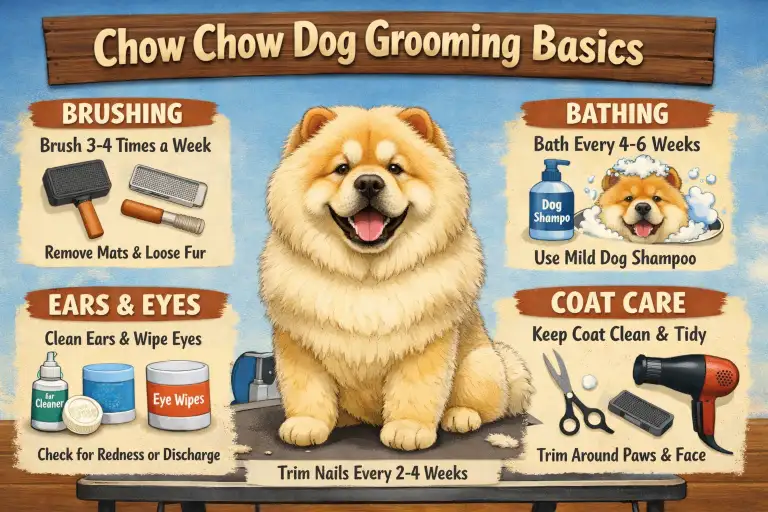
One of the biggest responsibilities of owning this breed is maintaining its luxurious coat. Regular grooming prevents matting, reduces shedding, and keeps the skin healthy.
| Care Category | Recommended Frequency | Notes |
|---|---|---|
| Brushing | 3–4 times weekly | Daily during shedding season |
| Bathing | Every 6–8 weeks | Use gentle dog shampoo |
| Nail Trimming | Every 4–6 weeks | Depends on activity level |
| Ear Cleaning | Monthly | Prevents infections |
| Dental Care | Several times weekly | Supports long-term health |
If you’re wondering “Do Chow Chows shed a lot?” the answer is yes. They are considered heavy seasonal shedders and require additional brushing during coat-blowing periods.
Common Chow Chow Health Problems
Like many purebred dogs, Chow Chows can be prone to specific health conditions. Regular veterinary visits and preventative care can significantly improve quality of life and lifespan.
| Health Issue | Description | Importance |
|---|---|---|
| Hip Dysplasia | Abnormal hip development | Common in medium and large breeds |
| Entropion | Eyelids roll inward | May require surgery |
| Skin Disorders | Hot spots and infections | Often linked to coat maintenance |
| Thyroid Disease | Hormonal imbalance | Requires lifelong management |
How to Train a Chow Chow
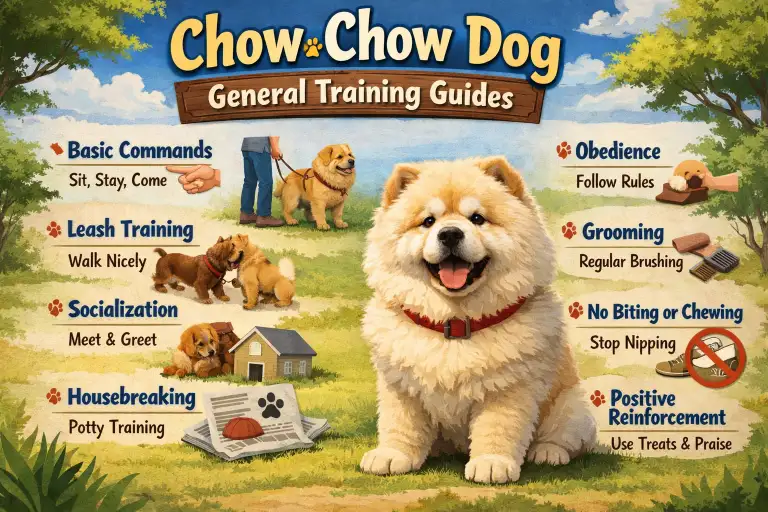
Many owners ask, “Are Chow Chows easy to train?” While highly intelligent, they are also famously stubborn and independent thinkers.
Positive reinforcement methods work best. Reward-based training using treats, praise, and consistency usually delivers the best results. Harsh corrections can damage trust and make training more difficult.
Early obedience classes and socialization are strongly recommended for puppies.
| Behavior Trait | Rating | Notes |
|---|---|---|
| Trainability | Moderate | Requires patience and consistency |
| Independence | High | One of the breed’s defining traits |
| Family Compatibility | Good | Best with supervision and socialization |
| Compatibility with Pets | Moderate | Early introductions help greatly |
| Exercise Needs | Moderate | 30–60 minutes daily |
Can Chow Chows Live in Apartments?
Yes, Chow Chows can adapt to apartment living if their exercise and mental stimulation needs are met. Daily walks, puzzle toys, and interactive play sessions help prevent boredom and destructive behavior.
However, owners should consider the breed’s heavy shedding and grooming needs before choosing apartment life.
Chow Chow Price and Ownership Costs
One of the most searched questions online is “How much does a Chow Chow cost?” Purchase price varies depending on breeder reputation, bloodline, and location.
| Expense | Typical Cost | Notes |
|---|---|---|
| Chow Chow Puppy Price | $1,500–$5,000 | Show-quality puppies cost more |
| Professional Grooming | $50–$100 per month | Highly recommended |
| Veterinary Care | $500–$1,200 annually | Includes vaccinations and checkups |
| Pet Insurance | $30–$80 monthly | Depends on coverage and location |
Chow Chow vs Similar Dog Breeds
| Breed | Size | Temperament | Grooming Needs | Best For |
|---|---|---|---|---|
| Chow Chow | 45–70 lbs | Loyal, independent | High | Experienced owners |
| Akita | 70–130 lbs | Protective, confident | Moderate | Active households |
| Keeshond | 35–45 lbs | Friendly, outgoing | High | Families and beginners |
| Shar Pei | 45–60 lbs | Calm, reserved | Moderate | Experienced owners |
Frequently Asked Questions About Chow Chows
- Are Chow Chows good with children? Yes, especially when raised with children and properly socialized.
- Do Chow Chows bark a lot? No, they are generally quiet dogs.
- Why do Chow Chows have blue tongues? This is a unique genetic characteristic shared by very few breeds.
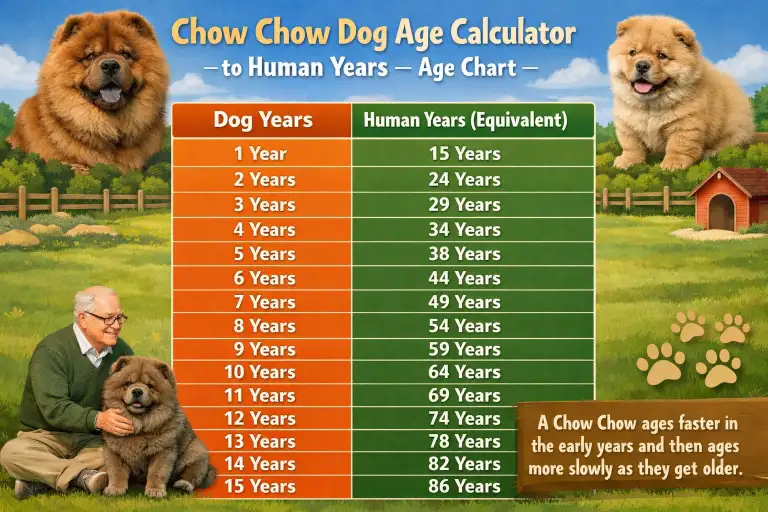
- How long do Chow Chows live? Their average lifespan is 8–12 years.
- Do Chow Chows require a lot of grooming? Yes, regular brushing is essential.
- Are Chow Chows suitable for first-time owners? Usually they are better suited to experienced dog owners.
- Can Chow Chows live indoors? Yes, provided they receive regular exercise and mental stimulation.
Final Thoughts
The Chow Chow is a beautiful, intelligent, and loyal breed that rewards patient owners with lifelong companionship. While their independent personality and grooming needs can be challenging, owners who understand the breed often consider them one of the most rewarding dogs to own.

Ata Ur Rehman is the founder of Pet Age in Human Years Calculator, an educational platform that provides age conversion charts and lifespan guides for dogs, cats, birds, and other companion animals. His work focuses on helping pet owners understand how animal ages translate into human years using commonly accepted age conversion formulas and published lifespan averages.
The website compiles breed and species lifespan data from kennel clubs, breed organizations, and general animal lifespan studies to present simple and easy-to-understand guides for pet owners worldwide.
This website was created to centralize animal age conversion charts into one easy reference platform for pet owners.
This article is for general education. For symptoms, medication, diet changes, or health concerns, use a qualified veterinarian who can assess your individual pet.