On this page
The Japanese Chin is a small toy companion dog known for its affectionate temperament, cat-like personality, silky coat, and low-to-moderate exercise needs. This guide covers Japanese Chin temperament, lifespan, health issues, grooming, training, cost, and the main pros and cons to consider before choosing the breed.
Japanese Chin pros and cons: This breed is affectionate, quiet, and ideal for apartments, but it can be fragile, sensitive to heat, and prone to certain health issues. It thrives in calm homes and requires gentle handling, regular grooming, and close human companionship.
This complete Japanese Chin guide covers temperament, lifespan, care requirements, and real ownership expectations – so you can decide if this small companion dog is the right fit for your lifestyle.
What is a Japanese Chin dog? The Japanese Chin is a toy companion breed originally bred for royalty. It is known for its flat face, silky coat, expressive eyes, and strong attachment to its owner. The breed is best suited for indoor living and requires moderate grooming, light exercise, and a calm environment.
The Japanese Chin stands out as a true companion breed. Unlike many small dogs that retain working instincts, this breed was developed almost entirely for comfort and companionship. As a result, it is naturally calm, emotionally sensitive, and happiest when close to its owner.
However, owning a Japanese Chin also comes with responsibilities. Its small size, delicate structure, and brachycephalic (short-nosed) face make it sensitive to heat, rough handling, and certain health conditions. Knowing these factors early helps prevent common ownership mistakes.
If you already have a Japanese Chin or are planning to get one, understanding its age stage is important for proper care. You can use our Japanese Chin age calculator to estimate your dog’s age in human years
Below is a quick snapshot for readers who want fast, skimmable answers before exploring the full guide.
Want to know your Japanese Chin’s real age in human years? Use our Japanese Chin age calculator to get an accurate estimate based on your dog’s age and improve your care decisions.
Japanese Chin Breed Overview
The Japanese Chin is a small, calm companion dog known for its affectionate nature, low exercise needs, and suitability for indoor living. As a toy breed originally developed for royalty, it is best suited for quiet homes where it can stay close to its owner. While it is an excellent lap dog, its small size and sensitivity mean it requires gentle handling and careful care.
Quick overview: The Japanese Chin is quiet, loyal, and apartment-friendly, but it can be fragile, sensitive to heat, and prone to certain health issues. This balance of pros and cons makes it ideal for some owners and unsuitable for others.
| Breed Classification | Details |
|---|---|
| Breed Group | Toy Group |
| AKC Recognition | 1888 |
| Average Litter Size | 2-4 puppies |
| Good for First-Time Owners? | Yes, if handled gently and trained patiently |
| Good With Families? | Yes, in calm households with older children |
| Apartment Friendly? | Excellent (low space and exercise needs) |
| Climate Tolerance | Poor heat tolerance due to short nose |
| Energy Level | Low to moderate |
| Main Strength | Affectionate, quiet, and loyal companion |
| Main Limitation | Fragile build and sensitive to heat |
Japanese Chin Dog History, Origin, and Appearance
History and Origin
The Japanese Chin is an ancient companion breed developed for royalty, not for work or hunting. This origin explains its calm temperament, affectionate nature, and strong preference for indoor living.
Although the name suggests Japan, many experts believe the breed originated in China and was later refined in Japan. Japanese Chin were kept in royal courts, where they lived as treasured companions for nobles and emperors rather than as working dogs.
Because of this lifestyle, the breed was shaped to be gentle, quiet, and emotionally connected to people. It was bred for beauty, personality, and companionship rather than strength or endurance – one of the key reasons it remains a low-exercise, indoor-focused dog today.
In the 1800s, Japanese Chin were introduced to Europe as royal gifts, which helped spread the breed globally. Despite this expansion, the breed has remained consistent in its role as a calm, affectionate companion rather than an active or working dog.
Appearance and Physical Traits
The Japanese Chin is a small, elegant toy breed with a distinctive flat face, large eyes, and silky coat. Its appearance reflects both its royal background and its role as a companion dog.
The breed has a short nose, wide-set dark eyes, and a soft, expressive face. These features give it a gentle and alert look, but they also contribute to its sensitivity to heat and breathing limitations.
The coat is long, straight, and silky, flowing naturally without heavy thickness. Feathered ears and a plumed tail that curls over the back add to the breed’s refined and graceful appearance.
Appearance at a Glance
| Feature | Description |
|---|---|
| Height | 8-11 inches |
| Weight | 4-9 pounds |
| Body Type | Small, balanced, fine-boned |
| Coat Type | Long, silky, straight |
| Common Colors | Black and white, red and white |
| Face | Short nose, large wide-set eyes |
| Tail | Plumed, carried over the back |
| Key Advantage | Elegant, low-maintenance structure for indoor living |
| Key Limitation | Heat sensitivity due to flat face |
Because of its small size and brachycephalic (flat-faced) structure, the Japanese Chin must be handled carefully and protected from heat. These physical traits make it an excellent indoor companion but also require responsible care and attention.
Japanese Chin Dog Temperament, Personality, and Behavior
The Japanese Chin has a calm, affectionate, and gentle temperament, making it one of the best companion dogs for quiet homes. It is known for forming strong emotional bonds with its owner and prefers relaxed environments over high-energy activity.
Japanese Chin temperament: This breed is quiet, loyal, and people-oriented. It enjoys staying close to its owner, requires minimal exercise, and adapts well to apartment living. However, it can be sensitive, fragile, and does not tolerate rough handling or loud environments.
Unlike many small breeds that are energetic and demanding, the Japanese Chin is naturally calm. It is happy sitting beside you, observing its surroundings, or resting comfortably indoors. Short bursts of playful energy may occur, but overall activity levels remain low to moderate.
Often described as “cat-like,” the Japanese Chin is clean, observant, and somewhat independent, yet deeply attached to its family. It prefers gentle interaction and consistent routines, making it ideal for owners who value a peaceful companion.
Understanding your dog’s age and behavior stage can help you manage temperament more effectively. You can estimate your Japanese Chin’s life stage using our age calculator to adjust training and care routines.
Japanese Chin Pros and Cons
Before choosing this breed, it’s important to understand both the advantages and limitations of owning a Japanese Chin. While it is a loving and low-maintenance companion in many ways, it also requires careful handling and attention to health.
| Pros | Cons |
|---|---|
| Very affectionate and loyal | Fragile body, requires gentle handling |
| Excellent for apartments | Sensitive to heat and humidity |
| Low exercise requirements | Can be stubborn during training |
| Quiet and calm nature | Prone to eye and breathing issues |
| Strong bond with owner | Does not like being left alone |
Personality at a Glance
| Trait | What It Means for Owners |
|---|---|
| Affection | Forms strong emotional bonds with family |
| Energy Level | Low to moderate; prefers indoor activity |
| Independence | Some independence but still people-oriented |
| Sensitivity | Responds best to gentle tone and handling |
| Alertness | Notices changes but is not overly reactive |
| Adaptability | Thrives in calm, stable environments |
Behavior With Family
The Japanese Chin is loyal and gentle with family members. It often forms a close bond with one primary owner but remains affectionate toward others. This breed prefers calm interactions and may become stressed in loud or chaotic households.
Behavior With Children
This breed can do well with children if they are calm and respectful. Due to its small size and fragile build, rough play can easily cause injury. It is best suited for families with older children who understand how to handle small dogs carefully.
Behavior With Strangers
With strangers, the Japanese Chin is usually polite but reserved. It may alert its owner briefly but is not aggressive. Once comfortable, it typically relaxes and adapts quickly.
Behavior With Other Pets
Japanese Chin generally get along well with other dogs and even cats, especially when raised together. They prefer calm companions and may feel overwhelmed by highly energetic pets.
Common Behavior Situations
| Situation | Typical Response |
|---|---|
| Being alone too long | May develop separation anxiety |
| Loud environments | Becomes nervous or withdrawn |
| Calm routines | Feels secure and relaxed |
| Rough handling | Easily stressed or frightened |
| Indoor living | Ideal and preferred environment |
The Japanese Chin is not a high-energy or rough-play dog. It thrives on comfort, gentle interaction, and companionship. Understanding its temperament helps owners provide the right environment and avoid common behavior issues.
Japanese Chin Dog Care: Exercise, Training, Grooming, and Health
The Japanese Chin is a low-maintenance companion dog, but it requires gentle care, attention to health, and a controlled indoor environment. Its small size, calm temperament, and sensitivity make proper care essential for long-term health and comfort.
Exercise Needs
The Japanese Chin has low exercise requirements. Short daily walks and light indoor play are usually enough to keep it healthy. Most individuals prefer staying close to their owner rather than engaging in high-energy outdoor activity.
Because of its flat face, this breed is sensitive to heat and overexertion. Exercise should always be moderate, and outdoor activity should be limited during warm weather.
Training Reality
Japanese Chin are intelligent but can be somewhat independent. They respond best to gentle, consistent training methods and positive reinforcement. Harsh corrections can lead to stress and reduce learning effectiveness.
House training may take time, so patience and routine are important. This breed learns well in calm environments where trust and consistency are maintained.
For step-by-step methods, potty training, barking, and common behavior problems, see our Japanese Chin training guide.
Grooming and Shedding
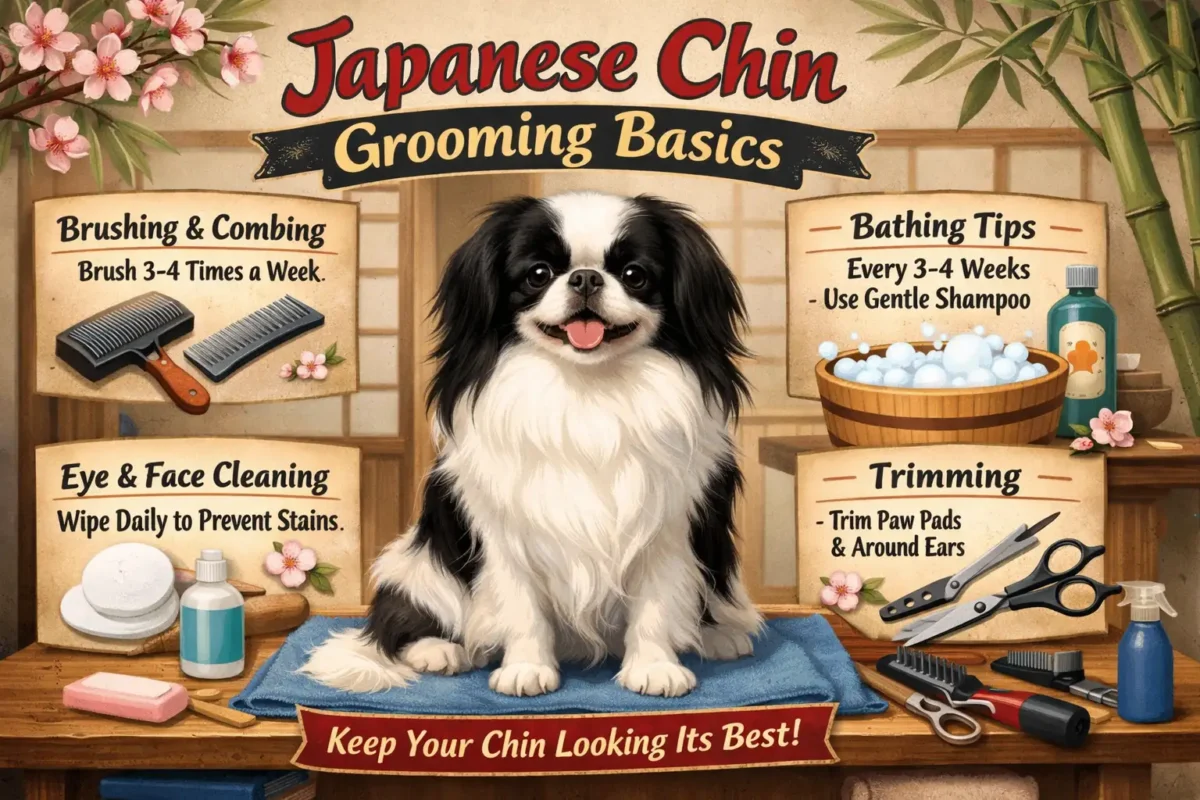
The Japanese Chin has a long, silky coat that is easier to maintain than it appears. Regular brushing a few times per week helps prevent tangles and keeps the coat healthy.
Shedding is light to moderate and may increase during seasonal changes. Routine grooming helps manage loose hair and maintain overall coat condition.
Japanese Chins are not considered hypoallergenic. For brushing, bathing, shedding control, and coat-care details, use our Japanese Chin grooming guide.
Daily Care at a Glance
| Care Area | What to Expect |
|---|---|
| Exercise | Short walks and indoor activity |
| Training | Gentle, consistent methods |
| Brushing | 2-3 times per week |
| Bathing | Every few weeks |
| Shedding | Light to moderate |
| Living Space | Indoor environment preferred |
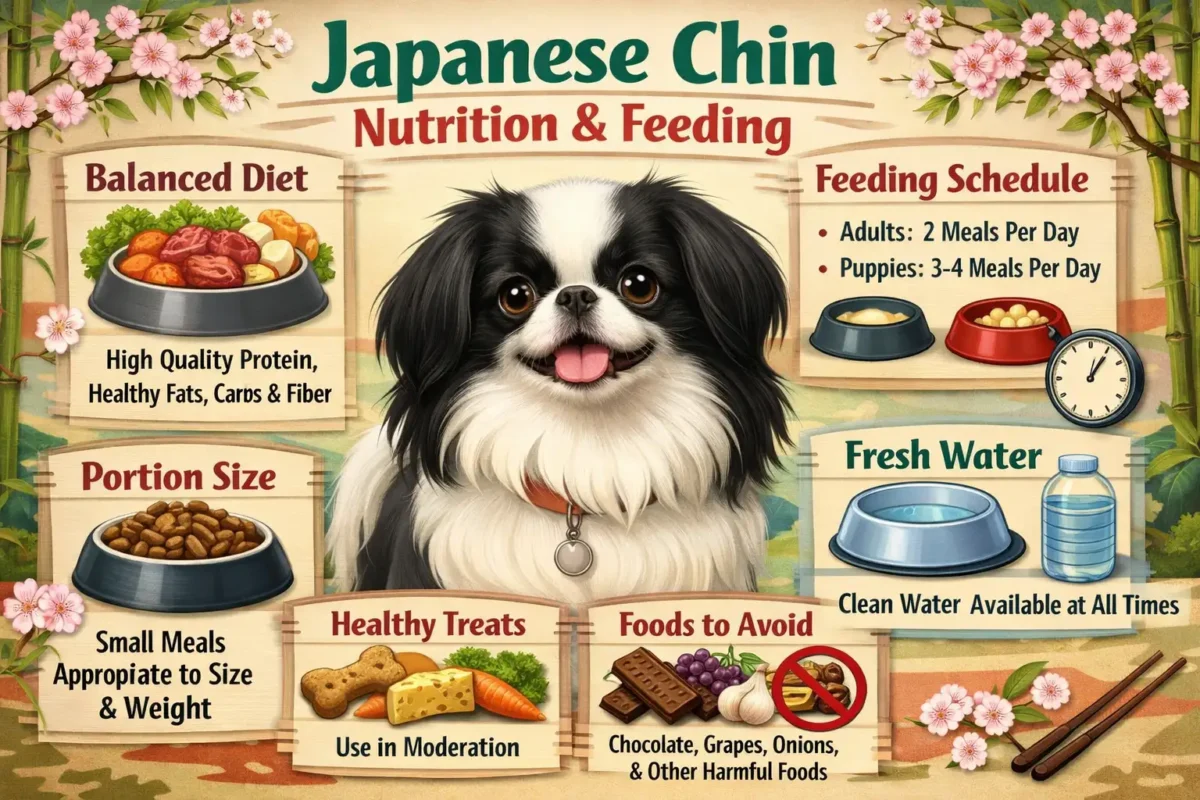
For portion sizes, feeding schedules, and food choices by life stage, see the Japanese Chin feeding guide.
Japanese Chin Lifespan: How Long Do Japanese Chins Live?
The typical Japanese Chin lifespan is about 10 to 12 years, although some dogs live longer. Lifespan varies with genetics, body condition, dental care, veterinary care, and overall health management.
Tip: Knowing your dog’s exact life stage helps you adjust diet, exercise, and health care. Use a Japanese Chin age calculator to convert your dog’s age into human years for better planning.
For the full year-by-year conversion table and life-stage breakdown, see the Japanese Chin age chart.
Understanding your dog’s age stage can help you adjust care routines, feeding, and activity levels over time. Monitoring age-related changes is important for maintaining long-term health.
Due to its brachycephalic (short-nosed) structure and small size, the Japanese Chin requires proactive health monitoring. Preventive care plays a key role in extending lifespan and avoiding complications.
Japanese Chin Health Issues and Common Problems
| Health Issue | Why It Happens |
|---|---|
| Eye problems | Large, exposed eyes increase risk of injury |
| Breathing issues | Short nose affects airflow and heat tolerance |
| Knee problems | Small joints prone to instability |
| Dental issues | Crowded teeth lead to plaque buildup |
| Heat sensitivity | Reduced ability to regulate body temperature |
Eye Problems
The Japanese Chin’s large, prominent eyes make it prone to scratches, irritation, and dryness. Early signs such as redness or discharge should be addressed quickly to prevent serious complications.
Brachycephalic Airway Issues
The breed’s short nose can lead to breathing difficulties, especially in heat or during exercise. Keeping the dog cool and avoiding overexertion helps reduce risk.
Patellar Luxation (Knee Problems)
This condition occurs when the kneecap shifts out of place. Mild cases may only require monitoring, while severe cases may need medical treatment.
Dental Disease
Due to its small jaw, the Japanese Chin is prone to dental crowding and plaque buildup. Regular brushing and dental care are important for preventing long-term issues.
Heart Conditions
Some individuals may develop heart conditions with age. Routine veterinary checkups help detect early signs and support long-term health management.
Is the Japanese Chin Dog Right for You? Cost, Pros & Cons, and Similar Breeds
The Japanese Chin is a calm, affectionate companion dog, but it is not the right choice for every home. Understanding your lifestyle and expectations is important before choosing this breed.
This breed is best suited for quiet environments where it can receive attention, gentle handling, and consistent care. While it offers strong emotional companionship, it also comes with limitations related to fragility, health sensitivity, and dependency on its owner.
Who the Japanese Chin Is Best For
The Japanese Chin is a great match for individuals who prefer a calm, low-energy dog and enjoy close companionship.
This breed is a good choice for:
- Seniors or retirees
- Apartment or condo owners
- First-time dog owners looking for a gentle companion
- People who want a quiet lap dog
- Homes with calm routines and minimal noise
Who Should Avoid This Breed
The Japanese Chin may not be suitable for active or unpredictable environments.
This breed may not be a good fit for:
- Families with very young or rough children
- People who want an active or outdoor-focused dog
- Owners who are away from home for long hours
- Homes with highly energetic pets
Cost of Owning a Japanese Chin
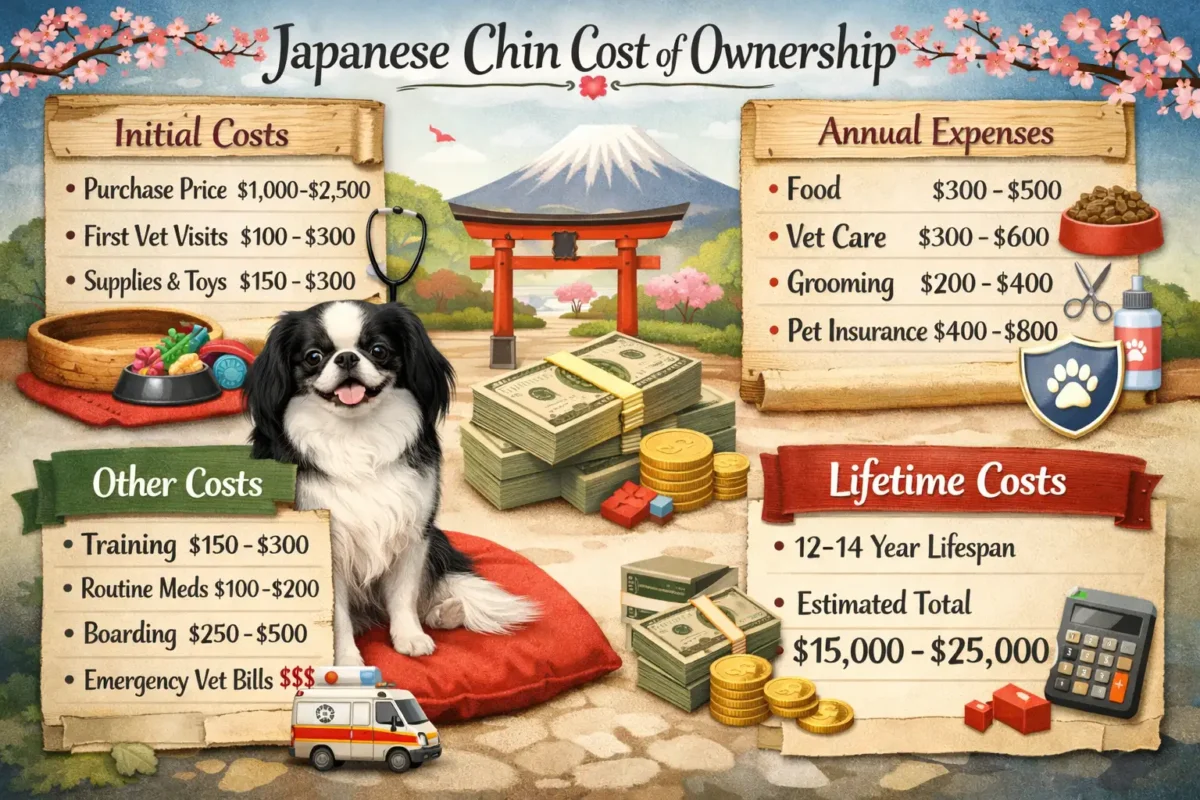
Owning a Japanese Chin involves both initial and ongoing costs. While the breed is small, healthcare and maintenance can add up over time.
| Cost Type | Estimated Range |
|---|---|
| Puppy price | $800-$2,500 |
| Monthly care | $70-$120 |
| Grooming | Low to moderate |
| Vet care | Moderate |
| Pet insurance | Recommended for long-term health support |
Because of potential health concerns and grooming needs, planning for long-term expenses is important before choosing this breed.
For a detailed first-year, monthly, and lifetime budget, see the Japanese Chin cost of ownership guide.
Similar Breeds to Compare
If you are unsure whether the Japanese Chin is the right fit, comparing similar breeds can help clarify your decision.
| Breed | Key Difference |
|---|---|
| Pekingese | More independent with a heavier build |
| Shih Tzu | More playful with higher grooming needs |
| Pug | More energetic with heavier shedding |
| Papillon | More active and easier to train |
The Japanese Chin stands out for its calm temperament and strong emotional bond with its owner. It is best suited for those seeking a quiet, indoor companion rather than an active or highly independent dog.
Before making a decision, it’s important to understand your dog’s current and future life stage. A Japanese Chin age calculator can help you plan care, feeding, and health management more effectively.
Frequently Asked Questions About the Japanese Chin
For detailed answers about shedding, coat care, and allergy-related concerns, see our Japanese Chin grooming guide.
Do Japanese Chins bark a lot?
No, Japanese Chins are generally quiet dogs. They may bark briefly to alert their owners, but they are not known for excessive barking. Proper training and a stable routine help maintain this behavior.
Are Japanese Chins smart?
Yes, Japanese Chins are intelligent and observant. They learn quickly but can be sensitive and somewhat independent. Gentle training methods and consistency produce the best results.
Understanding your dog’s life stage can significantly improve care, feeding, and health decisions. Using a Japanese Chin age calculator helps you accurately estimate human age equivalents and plan better long-term care. Monitoring age-related changes is an important part of responsible ownership.

Ata Ur Rehman is the founder of Pet Age in Human Years Calculator, an educational platform that provides age conversion charts and lifespan guides for dogs, cats, birds, and other companion animals. His work focuses on helping pet owners understand how animal ages translate into human years using commonly accepted age conversion formulas and published lifespan averages.
The website compiles breed and species lifespan data from kennel clubs, breed organizations, and general animal lifespan studies to present simple and easy-to-understand guides for pet owners worldwide.
This website was created to centralize animal age conversion charts into one easy reference platform for pet owners.
This article is for general education. For symptoms, medication, diet changes, or health concerns, use a qualified veterinarian who can assess your individual pet.