On this page
The Soft Coated Wheaten Terrier is a cheerful, energetic, and affectionate Irish terrier known for its silky wheaten-colored coat and strong bond with people. Often considered one of the friendlier terrier breeds, the Wheaten combines playful energy, intelligence, and loyalty, making it a popular choice for families, active owners, and people looking for a loving companion dog.
Originally developed as an all-purpose farm dog in Ireland, the Soft Coated Wheaten Terrier was bred to work alongside farmers by controlling pests, guarding property, and helping with everyday farm tasks. Although modern Wheatens are mainly companion dogs, they still maintain the confidence, curiosity, and energetic personality of their working ancestors.
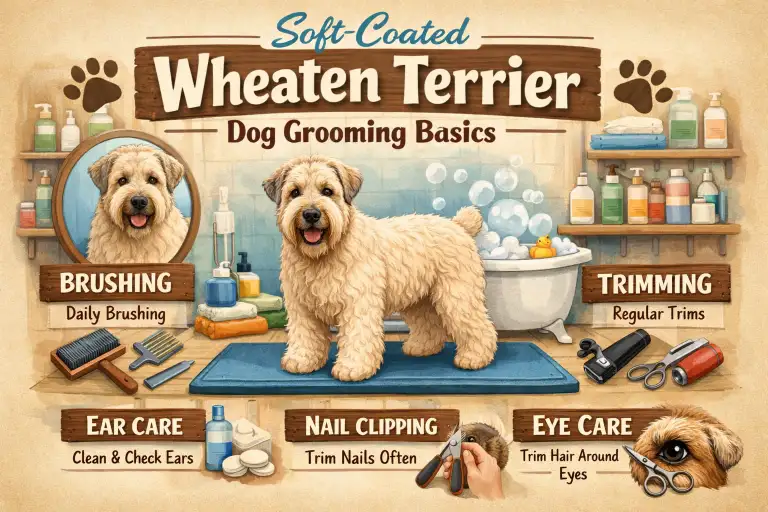
Many people choose this breed because of its reputation as a low-shedding dog and its friendly personality. However, the Soft Coated Wheaten Terrier is not a low-maintenance breed. Their unique coat requires regular grooming, and their intelligent terrier personality requires consistent training, daily exercise, and plenty of human interaction.
This complete Soft Coated Wheaten Terrier breed guide covers everything potential owners need to know, including appearance, temperament, grooming requirements, exercise needs, health concerns, lifespan, ownership costs, and whether this Irish terrier is the right fit for your lifestyle.
Soft Coated Wheaten Terrier Breed Overview
| Breed Feature | Details |
|---|---|
| Breed Name | Soft Coated Wheaten Terrier |
| Origin | Ireland |
| Breed Group | Terrier |
| Size | Medium-sized dog |
| Height | 17–19 inches |
| Weight | 30–40 pounds |
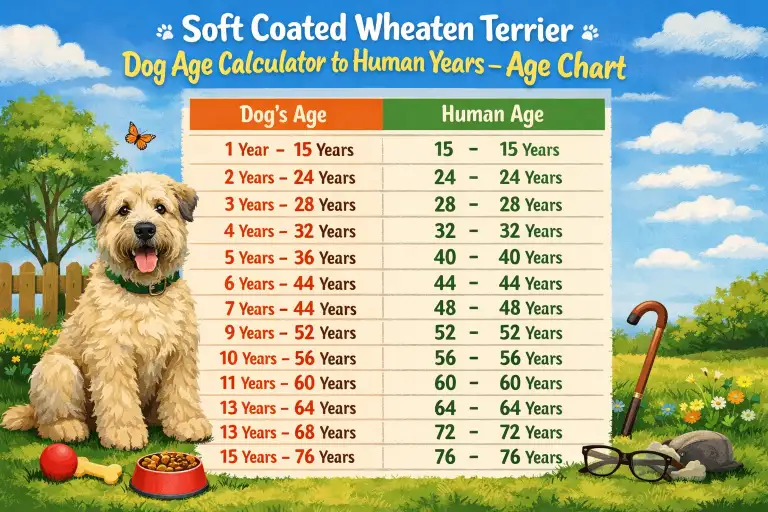
| Lifespan | 12–15 years |
| Coat Type | Single, soft, silky coat |
| Shedding Level | Low shedding |
| Energy Level | High |
| Temperament | Friendly, playful, affectionate, intelligent |
Soft Coated Wheaten Terrier History and Origin
The Soft Coated Wheaten Terrier originated in Ireland and has a history that dates back several hundred years. Unlike many dog breeds that were developed for wealthy families, Wheatens were working dogs owned by everyday farmers.
Irish farmers valued the breed because it was versatile and dependable. The Wheaten helped control rats and other pests, guarded homes and farms, and assisted with livestock. This background created a dog that is both hardworking and strongly connected to humans.
Today, the Soft Coated Wheaten Terrier is mainly kept as a family companion, but its working heritage remains obvious. Wheatens are naturally alert, energetic, curious, and happiest when they have regular activity and interaction with their owners.
Because of their people-focused personality, this breed usually does not thrive when left alone for long periods. A bored Wheaten may develop unwanted behaviors such as excessive barking, chewing, or digging.
Soft Coated Wheaten Terrier Appearance and Physical Characteristics
The Soft Coated Wheaten Terrier is a medium-sized athletic dog with a balanced, square-shaped body. The breed is strong without looking heavy and has a smooth, confident movement that reflects its terrier background.
The most recognizable feature of the breed is its beautiful soft, silky coat. Unlike many terriers, Wheatens have a single coat instead of a double coat. Their hair continues growing and can easily develop mats without proper grooming.
Wheaten puppies are often born with darker coats that may appear brown, red, or gray. As they mature, the coat gradually lightens and usually develops the famous golden wheaten color between one and two years of age.
Soft Coated Wheaten Terrier Size and Appearance Facts
| Feature | Description |
|---|---|
| Height | 17–19 inches |
| Weight | 30–40 pounds |
| Body Structure | Square, athletic, and well-balanced |
| Coat | Soft, silky, single-layer coat |
| Coat Colors | Wheaten shades ranging from pale gold to darker tones |
| Expression | Friendly eyes with an alert appearance |
Is a Soft Coated Wheaten Terrier a Good Family Dog?
Yes, the Soft Coated Wheaten Terrier can be an excellent family dog for owners who understand its exercise, grooming, and training needs.
Wheatens are affectionate and enjoy being involved in family activities. They usually form strong bonds with their owners and often follow family members around the house because they prefer companionship.
However, they are energetic terriers rather than calm lap dogs. Families should be prepared to provide daily exercise, mental stimulation, and consistent boundaries.
Soft Coated Wheaten Terrier Temperament and Personality
The Soft Coated Wheaten Terrier temperament is one of the biggest reasons this breed has become popular with families. Wheatens are known for being cheerful, affectionate, playful, and highly people-oriented dogs. They enjoy attention and usually want to be included in whatever their owners are doing.
Unlike some independent terriers, the Wheaten is generally more social and relationship-focused. However, they still have the confidence and determination that comes from their terrier heritage. This means they can be intelligent problem-solvers, curious explorers, and occasionally stubborn during training.
A well-trained Soft Coated Wheaten Terrier is typically friendly, energetic, and adaptable. Without proper guidance, however, their excitement and curiosity can become challenging behaviors such as jumping, excessive barking, or ignoring commands.
Common Soft Coated Wheaten Terrier Personality Traits
| Personality Trait | What Owners Can Expect |
|---|---|
| Affection Level | Very high; loves human companionship |
| Energy Level | High; needs daily activity |
| Intelligence | High; learns quickly but can be independent |
| Trainability | Moderate; responds best to positive training |
| Independence | Low to moderate |
| Social Behavior | Friendly and outgoing |
| Alertness | Good watchdog ability without being aggressive |
Soft Coated Wheaten Terrier With Children
The Soft Coated Wheaten Terrier is generally good with children when properly trained and socialized. Their playful personality makes them enjoyable companions for active families, and many Wheatens love games, outdoor activities, and spending time with kids.
Because Wheatens are energetic and can become excited easily, supervision is recommended with younger children. Some dogs may jump up during greetings or play too enthusiastically without training.
Children should also be taught how to interact respectfully with dogs. A positive relationship between children and Wheatens develops best when both the dog and child understand boundaries.
Soft Coated Wheaten Terrier With Other Dogs and Pets
With proper socialization, many Soft Coated Wheaten Terriers get along well with other dogs. Early exposure to different dogs, environments, and experiences helps them become confident and well-adjusted adults.
However, Wheatens are still terriers, which means they may have a natural instinct to chase smaller animals. Homes with cats, rabbits, or other small pets require careful introductions and ongoing supervision.
| Household Situation | Suitability |
|---|---|
| Families with children | Excellent with training and supervision |
| First-time dog owners | Possible with commitment |
| Apartments | Possible if exercise needs are met |
| Active individuals | Excellent match |
| Homes with cats | Possible with early socialization |
| Multi-dog households | Usually successful with proper introductions |
Soft Coated Wheaten Terrier Exercise Requirements
The Soft Coated Wheaten Terrier requires regular daily exercise to stay physically healthy and mentally balanced. Although they are not extreme working dogs, they are active terriers that need more than short bathroom walks.
Most adult Wheatens benefit from around 60 minutes of exercise per day. This can include walks, play sessions, training games, hiking, or supervised outdoor activities.
A lack of exercise may lead to boredom-related behaviors, including:
- Chewing furniture or household items
- Excessive barking
- Digging
- Restlessness
- Difficulty settling indoors
Mental stimulation is equally important. Puzzle toys, obedience training, scent games, and learning new commands help keep this intelligent breed satisfied.
Soft Coated Wheaten Terrier Training Guide
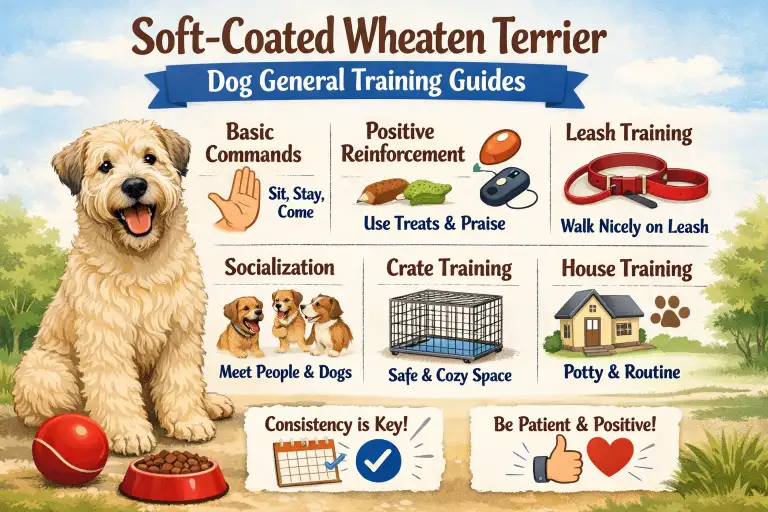
Training a Soft Coated Wheaten Terrier requires patience, consistency, and positive reinforcement. Wheatens are intelligent dogs, but their terrier personality means they may test boundaries and make independent decisions.
Harsh training methods are not recommended. This breed responds much better to rewards, encouragement, short training sessions, and clear expectations.
Important Training Areas for Wheatens
| Training Area | Why It Matters |
|---|---|
| Early Socialization | Builds confidence around people, dogs, and environments |
| Recall Training | Important because of curiosity and chasing instincts |
| Leash Training | Prevents pulling during walks |
| Greeting Manners | Helps control the famous “Wheaten greetin” jumping behavior |
| Basic Obedience | Creates better communication between owner and dog |
Are Soft Coated Wheaten Terriers Easy to Train?
The Soft Coated Wheaten Terrier is moderately easy to train. They are smart and capable of learning quickly, but they are not naturally obedient in the way some working breeds are.
The key to successful training is making lessons interesting and rewarding. Repetitive training can quickly become boring for a Wheaten, so variety and positive motivation are important.
Soft Coated Wheaten Terrier Daily Care Requirements
| Care Area | Recommended Routine |
|---|---|
| Exercise | Approximately 60 minutes daily |
| Mental Stimulation | Daily training and interactive games |
| Training | Consistent positive reinforcement |
| Socialization | Begin early and continue throughout life |
Soft Coated Wheaten Terrier FAQs
How long do Soft Coated Wheaten Terriers live?
The average Soft Coated Wheaten Terrier lifespan is 12 to 15 years when provided with proper nutrition, regular exercise, routine veterinary care, and responsible breeding. Some Wheatens may live beyond this range with excellent care and good genetics.
Are Soft Coated Wheaten Terriers good family dogs?
Yes, the Soft Coated Wheaten Terrier is generally an excellent family dog. They are affectionate, playful, and enjoy being involved with family activities. However, they need daily exercise, regular grooming, and consistent training, so they are best suited for families who can provide active companionship.
Do Soft Coated Wheaten Terriers shed?
Soft Coated Wheaten Terriers are considered low-shedding dogs, but they are not completely shed-free. Their single-layer coat traps loose hair, which means regular brushing is necessary to prevent tangles and mats.
Are Soft Coated Wheaten Terriers hypoallergenic?
Soft Coated Wheaten Terriers are often considered a better choice for some allergy-sensitive owners because they produce less loose hair and dander compared to many breeds. However, no dog is completely hypoallergenic, and individual allergies can vary.
How big does a Soft Coated Wheaten Terrier get?
An adult Soft Coated Wheaten Terrier usually reaches 17 to 19 inches in height and weighs approximately 30 to 40 pounds. They are classified as a medium-sized terrier breed.
Are Soft Coated Wheaten Terriers easy to train?
Soft Coated Wheaten Terriers are intelligent but can be independent. They are moderately easy to train when owners use positive reinforcement, consistency, and short engaging training sessions. Their terrier personality means patience is important.
How much exercise does a Soft Coated Wheaten Terrier need?
A healthy adult Soft Coated Wheaten Terrier typically needs around 60 minutes of daily exercise. Walks, play sessions, training games, and mental stimulation help prevent boredom and unwanted behaviors.
How often should a Soft Coated Wheaten Terrier be groomed?
The Soft Coated Wheaten Terrier requires regular grooming because its soft coat can easily develop mats. Most owners should brush their Wheaten several times per week and schedule professional grooming approximately every 6 to 8 weeks.
Are Soft Coated Wheaten Terriers good for first-time dog owners?
Yes, a Soft Coated Wheaten Terrier can work well for first-time owners who are prepared for grooming, exercise, and training responsibilities. They are friendly and affectionate but require more care than many beginner-friendly breeds.
Do Soft Coated Wheaten Terriers bark a lot?
Soft Coated Wheaten Terriers have a moderate tendency to bark. They may alert owners when they see something unusual, but proper training and enough exercise can help prevent excessive barking.
Can Soft Coated Wheaten Terriers live in apartments?
Yes, a Soft Coated Wheaten Terrier can live in an apartment if their exercise and mental stimulation needs are met. Daily walks, playtime, and training are essential for apartment living.
Do Soft Coated Wheaten Terriers have health problems?
While generally healthy, Soft Coated Wheaten Terriers can be prone to certain conditions, including protein-losing nephropathy, protein-losing enteropathy, Addison’s disease, hip problems, and skin allergies. Regular veterinary checkups and responsible breeding practices are important.
What is the best diet for a Soft Coated Wheaten Terrier?
The best diet for a Soft Coated Wheaten Terrier should provide high-quality protein, balanced fats, essential nutrients, and support for skin and coat health. A consistent diet that matches the dog’s age, activity level, and health needs is recommended.
Are Soft Coated Wheaten Terriers good with cats?
Soft Coated Wheaten Terriers can live with cats, especially when introduced at a young age. However, their terrier instincts may cause them to chase smaller animals, so early socialization and supervision are important.
What is the biggest challenge of owning a Soft Coated Wheaten Terrier?
The biggest challenges of owning a Soft Coated Wheaten Terrier are usually grooming requirements, high energy levels, and their sometimes stubborn terrier personality. Owners who provide proper care are rewarded with a loving and loyal companion.
Soft Coated Wheaten Terrier Quick FAQ Summary
| Question | Short Answer |
|---|---|
| Lifespan | 12–15 years |
| Size | 17–19 inches, 30–40 pounds |
| Shedding | Low shedding but requires brushing |
| Exercise Needs | About 60 minutes daily |
| Grooming Needs | High; brushing and professional grooming required |
| Temperament | Friendly, playful, affectionate, intelligent |
| Training Level | Moderate difficulty |
| Family Compatibility | Excellent with proper care |

Ata Ur Rehman is the founder of Pet Age in Human Years Calculator, an educational platform that provides age conversion charts and lifespan guides for dogs, cats, birds, and other companion animals. His work focuses on helping pet owners understand how animal ages translate into human years using commonly accepted age conversion formulas and published lifespan averages.
The website compiles breed and species lifespan data from kennel clubs, breed organizations, and general animal lifespan studies to present simple and easy-to-understand guides for pet owners worldwide.
This website was created to centralize animal age conversion charts into one easy reference platform for pet owners.
This article is for general education. For symptoms, medication, diet changes, or health concerns, use a qualified veterinarian who can assess your individual pet.