On this page
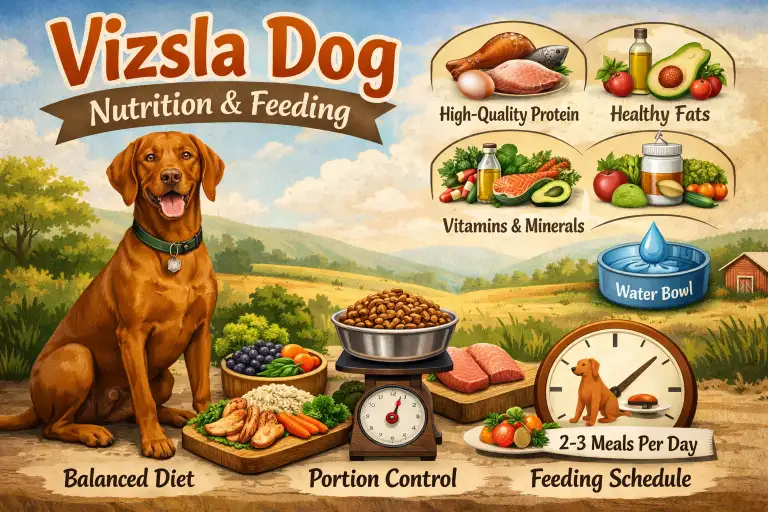
Vizslas are not average dogs when it comes to nutrition. Originally bred as athletic hunting companions, these lean and muscular dogs require a diet that supports endurance, muscle maintenance, recovery, and long-term health. The right nutrition plan directly affects your Vizsla’s energy levels, body condition, coat quality, and overall lifespan.
Whether you’re raising a growing puppy, feeding an active adult, or caring for an aging senior, understanding proper Vizsla nutrition helps you make informed feeding decisions that match your dog’s unique needs.
A balanced Vizsla diet helps support:
- Sustained energy for exercise, hiking, hunting, and training
- Lean muscle growth and recovery
- Healthy digestion and consistent stool quality
- Skin and coat health with reduced dryness and shedding
- Joint support and mobility throughout life
- Strong immune function and disease resistance
Because Vizslas have fast metabolisms and naturally low body fat, they often respond quickly to poor-quality food or inadequate calorie intake. At the same time, reduced exercise levels in neutered or senior dogs can make weight gain appear surprisingly fast.
Unlike generic dog feeding recommendations, a proper Vizsla feeding plan should account for:
- High daily exercise requirements
- A lean body type that reveals weight changes quickly
- Food sensitivities or digestive issues in some dogs
- Strong food motivation that can encourage overfeeding through treats
The goal is not simply to keep your dog full but to provide the nutrients and calories needed to maintain ideal body condition and support an active lifestyle.
Vizsla Nutrition Requirements: Protein, Fat, Carbohydrates, and Essential Nutrients
One of the most common questions owners ask is: What should a Vizsla eat? The answer begins with proper nutrient balance.
Protein is the foundation of a healthy Vizsla diet. It supports muscle development, tissue repair, immune function, and exercise recovery. Highly active Vizslas involved in hunting, agility, running, or field work often benefit from higher protein intake than less active companion dogs.
Healthy fats serve as the primary energy source for active Vizslas. Dietary fat supports endurance, brain function, hormone production, and skin and coat quality. Too little fat may result in poor stamina and dry skin, while excessive fat intake can contribute to obesity when activity levels decrease.
Carbohydrates provide an additional source of energy and dietary fiber. Easily digestible carbohydrates can help maintain digestive health, while low-quality fillers may contribute to gas, loose stools, or inconsistent energy levels in sensitive dogs.
Recommended Macronutrient Targets for Vizslas
| Activity Level | Protein | Fat | Carbohydrate Purpose |
|---|---|---|---|
| Low activity or senior dogs | 22-25% | 10-14% | Digestive support and moderate energy |
| Moderately active adults | 24-28% | 12-16% | Stable energy production |
| Highly active, sporting, or hunting Vizslas | 26-32% | 15-20% | Endurance and recovery support |
Micronutrients are equally important for maintaining long-term health. A complete and balanced dog food should already contain these nutrients in appropriate amounts.
Important Vitamins and Minerals for Vizslas
| Nutrient | Primary Benefit |
|---|---|
| Calcium and Phosphorus | Bone growth and skeletal strength |
| Omega-3 Fatty Acids | Joint support and reduced inflammation |
| Zinc | Healthy skin and coat maintenance |
| Vitamin E | Muscle protection and immune health |
| B Vitamins | Energy metabolism and nervous system function |
When choosing food, prioritize ingredient quality and nutritional adequacy rather than marketing claims. Healthy Vizslas should display visible muscle definition, good stamina, a shiny coat, and firm stools.
How Much Should You Feed a Vizsla?
Determining how much to feed a Vizsla depends on body weight, age, activity level, reproductive status, and overall health.
Highly active dogs can require several hundred more calories per day than sedentary dogs of the same size. Monitoring body condition remains more accurate than relying exclusively on feeding charts.
Estimated Daily Calorie Requirements for Vizslas
| Body Weight | Low Activity | Moderate Activity | High Activity |
|---|---|---|---|
| 40 lbs (18 kg) | 900-1,000 kcal | 1,100-1,250 kcal | 1,400-1,600 kcal |
| 50 lbs (23 kg) | 1,000-1,150 kcal | 1,250-1,400 kcal | 1,600-1,800 kcal |
| 60 lbs (27 kg) | 1,100-1,250 kcal | 1,400-1,600 kcal | 1,800-2,000 kcal |
These figures represent total daily calorie intake and should include treats, chews, and training rewards.
Because calorie density varies significantly between foods, always review feeding guidelines on the packaging and make gradual adjustments over seven to ten days.
Vizsla Feeding Schedule by Age
| Age | Meals Per Day | Purpose |
|---|---|---|
| 2-6 months | 3-4 meals | Supports rapid growth and stable energy |
| 6-12 months | 2-3 meals | Transition toward adult feeding |
| Adult Vizsla | 2 meals | Improves digestion and appetite control |
| Senior Vizsla | 2 smaller meals | Supports digestion and energy management |
An ideal body condition score for a Vizsla means ribs are easy to feel under a thin layer of fat, a visible waist is present from above, and there is a noticeable abdominal tuck from the side.
Body Condition Feeding Adjustments
| Condition | Signs | Recommended Action |
|---|---|---|
| Underweight | Visible ribs and reduced muscle mass | Increase calories by 10-15% |
| Ideal | Visible waist and easily felt ribs | Maintain current intake |
| Overweight | Minimal waist and difficult-to-feel ribs | Reduce calories by approximately 10% |
Fresh drinking water should always be available, especially after exercise or during warm weather.
Best Food for Vizslas: Kibble, Raw, Fresh, and Homemade Diets
Many owners ask, What is the best food for a Vizsla? The answer depends on your dog’s activity level, digestive health, budget, and your ability to prepare meals consistently.
The best dog food for Vizslas is complete, balanced, highly digestible, and rich in quality animal protein.
| Food Type | Advantages | Potential Drawbacks |
|---|---|---|
| Dry Kibble | Affordable, convenient, nutritionally balanced | Quality varies significantly by brand |
| Fresh Food | Highly digestible and palatable | Higher cost and refrigeration required |
| Raw Diet | High protein and minimal processing | Requires strict food safety handling |
| Canned Food | Useful for picky eaters and hydration | More expensive per calorie |
| Homemade Diet | Full ingredient control | Nutritional balancing can be difficult |
Always look for a named animal protein as the first ingredient and verify that the food meets complete and balanced nutritional standards.
Safe and Unsafe Human Foods for Vizslas
| Safe Foods | Toxic Foods |
|---|---|
| Cooked chicken | Chocolate |
| Cooked eggs | Grapes and raisins |
| Plain rice and oats | Onions and garlic |
| Carrots and green beans | Xylitol sweetener |
| Plain yogurt | Alcohol |
Treats are valuable training tools for this highly food-motivated breed, but they should contribute no more than 10% of daily calories.
Vizsla Feeding by Age, Lifestyle, and Health Conditions
Nutrition requirements change throughout a Vizsla’s life.
Vizsla puppies require carefully controlled growth and balanced mineral intake to support healthy skeletal development without encouraging excessive growth rates.
Adult dogs need nutrition that matches their exercise levels. Hunting and sporting dogs often require substantially more calories and dietary fat than companion animals.
Senior Vizslas usually benefit from slightly lower calorie intake while maintaining adequate protein levels to reduce age-related muscle loss.
| Life Stage | Main Goal | Priority Nutrients |
|---|---|---|
| Puppy | Healthy growth | Balanced minerals and controlled calories |
| Adult | Performance and muscle maintenance | High-quality protein and healthy fats |
| Senior | Mobility and muscle preservation | Digestibility and joint support |
Common Feeding Problems in Vizslas
| Problem | Symptoms | Dietary Solution |
|---|---|---|
| Picky eating | Skipping meals or inconsistent appetite | Establish fixed meal times |
| Sensitive digestion | Gas or loose stools | Use limited ingredient diets |
| Excessive hunger | Constant begging for food | Increase dietary fiber and review portions |
| Weight loss | Reduced muscle and visible ribs | Increase calories gradually |
| Weight gain | Loss of waistline and reduced stamina | Reduce portions and treats |
Whenever changing foods, transition gradually over seven to ten days to reduce digestive upset.
Consult your veterinarian if your Vizsla experiences unexplained weight changes, persistent vomiting, chronic diarrhea, loss of appetite, or requires a therapeutic diet.
Frequently Asked Questions About Feeding a Vizsla
How much food should a Vizsla eat per day?
Most adult Vizslas consume between 1,000 and 1,800 calories per day depending on body weight and activity level.
What is the best dog food for a Vizsla?
The best food contains high-quality animal protein, moderate healthy fats, and complete balanced nutrition appropriate for your dog’s life stage.
Are Vizslas prone to food allergies?
Some Vizslas can develop food sensitivities that result in itching, digestive upset, or poor stool quality. Limited ingredient diets can be helpful in some cases.
Can Vizslas eat a raw diet?
Many Vizslas do well on properly formulated raw diets, although owners must follow strict food safety practices and ensure nutritional completeness.
How many times a day should a Vizsla be fed?
Most adult Vizslas thrive on two meals per day, while puppies require more frequent meals to support growth and stable energy levels.

Ata Ur Rehman is the founder of Pet Age in Human Years Calculator, an educational platform that provides age conversion charts and lifespan guides for dogs, cats, birds, and other companion animals. His work focuses on helping pet owners understand how animal ages translate into human years using commonly accepted age conversion formulas and published lifespan averages.
The website compiles breed and species lifespan data from kennel clubs, breed organizations, and general animal lifespan studies to present simple and easy-to-understand guides for pet owners worldwide.
This website was created to centralize animal age conversion charts into one easy reference platform for pet owners.
This article is for general education. For symptoms, medication, diet changes, or health concerns, use a qualified veterinarian who can assess your individual pet.