On this page
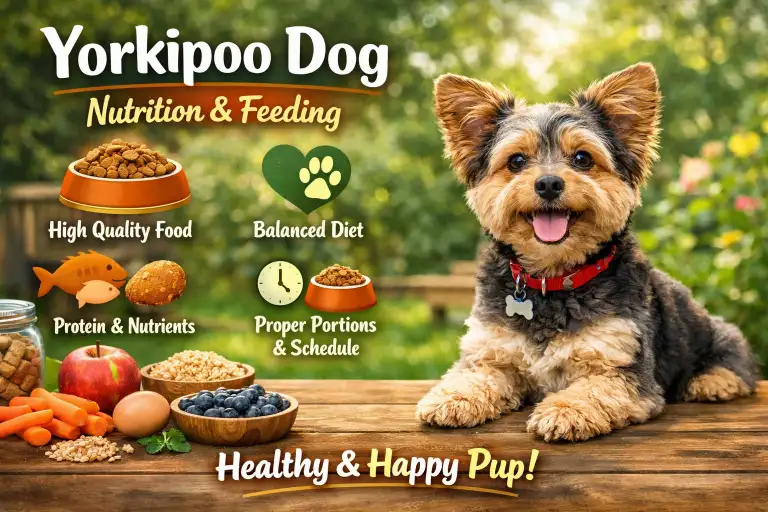
Feeding your Yorkipoo the right way is one of the most important steps in supporting healthy weight, steady energy, digestion, coat quality, and long-term wellness. This Yorkipoo feeding guide explains what to feed a Yorkipoo, how much food they usually need, how often to feed them, and how their diet should change from puppyhood to adulthood and senior age.
Yorkipoos, also called Yorkie Poos, are small mixed-breed dogs that usually weigh between 4 and 15 pounds. Because they are small, active, and often sensitive to diet changes, they need carefully measured portions rather than random feeding. Too much food can quickly lead to weight gain, while too little food can cause low energy, poor coat condition, and weakness.
The right Yorkipoo nutrition plan should match your dog’s age, weight, activity level, body condition, and life stage. Puppies need more frequent meals and nutrient-dense food for growth. Adult Yorkipoos need balanced portions to maintain a healthy weight. Senior Yorkipoos may need easier-to-digest food, fewer calories, and closer weight monitoring.
If you are also tracking your dog’s age and life stage, use the Yorkipoo Dog Age Calculator to understand whether your dog is in the puppy, adult, or senior stage before adjusting their feeding routine.
Quick Answer: How Much Should You Feed a Yorkipoo?
Most Yorkipoos need about 180 to 420 calories per day, depending on their weight, activity level, age, and metabolism. A small 4-pound Yorkipoo may need around 180–220 calories daily, while a larger 15-pound Yorkipoo may need around 330–420 calories daily. Puppies may need more calories per pound than adults because they are still growing.
As a simple feeding rule, most adult Yorkipoos do best with two measured meals per day. Yorkipoo puppies usually need three to four smaller meals per day, while senior dogs may need two smaller meals with careful calorie control.
Use the feeding chart below as a starting point, then adjust based on your Yorkipoo’s body condition, energy level, stool quality, and weight changes.
Yorkipoo Feeding Chart by Weight and Activity Level
This Yorkipoo feeding chart gives estimated daily calorie needs by weight and activity level. It is not a fixed rule for every dog, but it gives you a practical starting point for planning portions.
| Yorkipoo Weight | Low Activity | Moderate Activity | High Activity | Best Feeding Pattern |
|---|---|---|---|---|
| 4 lbs | 180 calories | 200 calories | 220 calories | 2 small meals daily |
| 6 lbs | 210 calories | 240 calories | 260 calories | 2 small meals daily |
| 8 lbs | 240 calories | 270 calories | 300 calories | 2 measured meals daily |
| 10 lbs | 270 calories | 310 calories | 340 calories | 2 measured meals daily |
| 12 lbs | 300 calories | 350 calories | 380 calories | 2 meals, monitor weight |
| 15 lbs | 330 calories | 380 calories | 420 calories | 2 meals, adjust by activity |
To convert calories into cups, check the calorie number on your dog food label. One food may have 320 calories per cup, while another may have 420 calories per cup. Because of this, cup amounts can vary widely even when the daily calorie target is the same.
Yorkipoo Food Chart: Calories to Cups Per Day
Because every dog food has a different calorie density, the amount of food your Yorkipoo needs in cups depends on the calories per cup listed on the food label. Use this Yorkipoo food chart as a simple example for converting daily calories into estimated cups per day.
| Daily Calories Needed | If Food Has 320 Calories/Cup | If Food Has 380 Calories/Cup | If Food Has 420 Calories/Cup |
|---|---|---|---|
| 200 calories | About ⅝ cup/day | About ½ cup/day | About ½ cup/day |
| 250 calories | About ¾ cup/day | About ⅔ cup/day | About ⅗ cup/day |
| 300 calories | About 1 cup/day | About ¾ cup/day | About ¾ cup/day |
| 350 calories | About 1⅛ cups/day | About ⅞ cup/day | About ⅚ cup/day |
| 400 calories | About 1¼ cups/day | About 1 cup/day | About 1 cup/day |
Split the daily amount into meals. For example, if your Yorkipoo needs about 300 calories per day and eats two meals daily, each meal should provide about 150 calories. Always adjust based on weight changes, body condition, and activity level.
For better accuracy, measure food with a kitchen scale or a proper measuring cup. Guessing portions is one of the most common reasons small dogs gain weight.
How to Adjust Yorkipoo Portions Safely
Start with the Yorkipoo feeding chart, then adjust portions slowly. Do not make large food changes overnight unless your dog has been advised to do so by a veterinarian. Small dogs can react quickly to calorie changes, especially if they are very young, senior, underweight, or overweight.
| What You Notice | What It May Mean | Portion Adjustment |
|---|---|---|
| Weight is increasing | Too many calories or treats | Reduce treats first, then lower meals slightly |
| Ribs are hard to feel | Possible overfeeding | Reduce daily calories gradually |
| Ribs, spine, or hips are too visible | Possible underfeeding or health issue | Increase food slightly and monitor closely |
| Low energy | Too little food, poor food quality, or health issue | Review calories, meal timing, and food type |
| Loose stool after meals | Food sensitivity, rich treats, or fast change | Slow changes and review ingredients |
A good rule is to adjust food in small steps, then monitor your Yorkipoo for one to two weeks. Track weight, appetite, stool quality, and energy before making another change.
How Often to Feed a Yorkipoo by Life Stage
Yorkipoo feeding frequency should change as your dog grows. A puppy has different energy needs than an adult or senior dog, so the feeding schedule should match the dog’s age and digestion.
| Life Stage | Age Range | Meals Per Day | Feeding Goal |
|---|---|---|---|
| Yorkipoo Puppy | Under 6 months | 3–4 meals | Support growth, energy, and stable blood sugar |
| Young Yorkipoo | 6–12 months | 2–3 meals | Transition from puppy food to adult routine |
| Adult Yorkipoo | 1–7 years | 2 meals | Maintain healthy weight and energy |
| Senior Yorkipoo | 7+ years | 2 smaller meals | Support digestion, joints, and weight control |
Age matters because feeding needs change as your Yorkipoo moves from puppy growth to adult maintenance and then into senior care. To better understand your dog’s current life stage, check your dog’s age using the Yorkipoo Dog Age Calculator.
What to Feed a Yorkipoo: Best Food Choices and Nutritional Needs
The best food for a Yorkipoo is a complete and balanced small-breed dog food that supports energy, digestion, skin, coat, muscle maintenance, and healthy weight. Yorkipoos do not need a complicated diet, but they do need the right balance of protein, fat, carbohydrates, fiber, vitamins, and minerals.
Protein helps maintain lean muscle and supports daily activity. Fat provides energy and supports skin and coat health. Carbohydrates and fiber help with digestion and stool quality. Vitamins and minerals support the immune system, bones, teeth, and overall body function.
Choose food made for small breeds when possible. Small-breed formulas usually have smaller kibble size, higher calorie density, and nutrient levels designed for smaller dogs with faster metabolisms.
Yorkipoo nutrition basics:
| Nutrient | Recommended Range | Why It Matters for Yorkipoos |
|---|---|---|
| Protein | 22–30% | Supports muscle, growth, energy, and maintenance |
| Fat | 8–15% | Supports energy, skin, coat, and appetite |
| Fiber | 2–4% | Helps digestion and stool quality |
| Moisture | Varies by food type | Supports hydration and palatability |
| Vitamins and Minerals | Complete and balanced | Supports bones, teeth, immunity, and body function |
Yorkipoo Food Types: Kibble, Wet Food, Fresh Food, and Homemade Meals
Different food types can work for different Yorkipoos. The right choice depends on your dog’s appetite, digestion, dental health, budget, and whether they have allergies or sensitivities.
| Food Type | Benefits | Drawbacks | Best For |
|---|---|---|---|
| Dry kibble | Convenient, easy to measure, budget-friendly | Some dogs dislike texture; quality varies by brand | Most healthy adult Yorkipoos |
| Wet food | Higher moisture, softer texture, often more appealing | Can be more expensive and spoil faster after opening | Picky eaters, dogs with dental sensitivity |
| Fresh-cooked food | Highly palatable and easier to customize | Needs careful nutrient balance | Dogs with special dietary needs |
| Freeze-dried food | Lightweight, nutrient-dense, useful as topper | Often costly and may need rehydration | Meal toppers or travel feeding |
| Homemade meals | Ingredient control | Easy to make nutritionally incomplete without planning | Dogs with sensitivities under professional guidance |
Raw feeding is sometimes discussed for small dogs, but it requires strict handling, careful balancing, and extra caution. For most Yorkipoo owners, a complete small-breed formula is the safer and easier starting point.
How to Choose the Best Food for a Yorkipoo
When choosing the best food for a Yorkipoo, focus on nutrition quality rather than marketing claims. A good food should be complete and balanced, suitable for your dog’s life stage, easy for your Yorkipoo to chew, and gentle on digestion.
Look for a food that matches your dog’s age, size, and activity level. Yorkipoo puppies need puppy food or small-breed puppy food. Adult Yorkipoos need maintenance food that keeps weight stable. Senior Yorkipoos may need food that is easier to digest and lower in calories if activity decreases.
Avoid choosing food only because it says “premium,” “natural,” or “human-grade.” Those words do not automatically mean the food is right for your dog. The better question is whether your Yorkipoo has healthy energy, firm stool, stable weight, clear skin, and a shiny coat while eating it.
Yorkipoo Puppy Feeding Chart and Tips
Yorkipoo puppies need more frequent meals than adults because they are growing quickly and have small stomachs. Skipping meals or feeding too little can leave a small puppy weak, while overfeeding can cause digestive upset and fast weight gain.
| Puppy Age | Meals Per Day | Food Type | Feeding Notes |
|---|---|---|---|
| 8–12 weeks | 4 meals | Small-breed puppy food | Small, frequent meals for steady energy |
| 3–6 months | 3 meals | Puppy food | Increase portions gradually as weight rises |
| 6–12 months | 2–3 meals | Puppy food or transition plan | Begin moving toward adult feeding routine |
| 12+ months | 2 meals | Adult small-breed food | Transition slowly if growth is complete |
Do not switch a Yorkipoo puppy’s food suddenly. If changing food, transition slowly over 7–10 days by mixing a small amount of the new food into the old food and increasing it gradually.
Adult Yorkipoo Feeding Guide
Most adult Yorkipoos do best with two measured meals per day. This helps control hunger, prevents overeating, and makes it easier to monitor appetite changes. Free-feeding is not ideal for many Yorkipoos because small dogs can gain weight quickly when food is always available.
Adult portions should be based on daily calories, not just cups. If your Yorkipoo is gaining weight, reduce treats first and check whether meal portions are being measured accurately. If your Yorkipoo is losing weight or seems tired, review calories, food quality, dental comfort, and activity level.
Use Body Condition Score as a simple check. You should be able to feel your Yorkipoo’s ribs without pressing hard, and your dog should have a visible waist from above. If the ribs are hard to feel, portions may be too high. If ribs, spine, or hips are too visible, your dog may need more food or a health check.
Senior Yorkipoo Feeding Guide
Senior Yorkipoos often become less active, so they may need fewer calories than younger adults. However, they still need quality protein to support muscle and overall health. The goal is not simply to feed less, but to feed the right amount with better monitoring.
Older Yorkipoos may also become more sensitive to hard kibble, rich foods, or sudden diet changes. Softer food, smaller meals, added moisture, or a senior-friendly formula may help some dogs eat more comfortably.
If you are unsure whether your Yorkipoo should be treated as adult or senior, use the Yorkipoo age chart or the Yorkipoo Dog Age Calculator before changing their feeding plan.
Safe Foods and Treats for Yorkipoos
Some human foods are safe for Yorkipoos in small amounts, but treats should stay limited. A good rule is to keep treats under 10% of daily calories so they do not replace balanced meals or cause weight gain.
| Food | Safe or Unsafe | Feeding Notes |
|---|---|---|
| Carrots | Safe | Low-calorie snack; cut into small pieces |
| Apples without seeds | Safe | Serve small pieces only |
| Plain cooked chicken | Safe | No bones, skin, seasoning, onion, or garlic |
| Plain pumpkin | Safe | Can support stool quality in small amounts |
| Unsalted xylitol-free peanut butter | Safe in small amounts | High calorie, so use sparingly |
| Plain cooked rice | Safe | Useful in small amounts for bland meals |
Always introduce new treats slowly. If your Yorkipoo develops vomiting, diarrhea, itching, gas, or appetite changes after a new food, stop feeding it and monitor closely.
Foods Yorkipoos Should Avoid
Yorkipoos are small, so even a small amount of unsafe food can cause problems. Keep toxic and high-risk foods away from your dog, especially foods that are sweetened, seasoned, fatty, or cooked with onion or garlic.
| Food | Risk Level | Why to Avoid It |
|---|---|---|
| Chocolate | Unsafe | Can cause serious toxicity |
| Grapes and raisins | Unsafe | Linked to kidney damage in dogs |
| Onion and garlic | Unsafe | Can damage red blood cells |
| Xylitol | Unsafe | Can cause dangerous blood sugar drops |
| Cooked bones | Unsafe | Can splinter or cause choking and blockage |
| Alcohol or caffeine | Unsafe | Can be dangerous even in small amounts |
| Very fatty table scraps | High risk | Can upset digestion and add too many calories |
Common Yorkipoo Feeding Mistakes
Most Yorkipoo feeding problems come from portion mistakes, too many treats, sudden food changes, or feeding without considering age and activity level. Because Yorkipoos are small, even a few extra bites every day can add up over time.
| Mistake | Why It Hurts | Better Approach |
|---|---|---|
| Overfeeding | Leads to weight gain and joint strain | Measure meals and track treats |
| Free-feeding | Makes calories hard to control | Use scheduled meals |
| Too many treats | Adds hidden calories | Keep treats below 10% of daily calories |
| Fast food changes | Can trigger vomiting or diarrhea | Transition over 7–10 days |
| Ignoring life stage | Puppies, adults, and seniors need different plans | Adjust food by age and activity |
| Using cup amounts only | Cup calories vary by food brand | Check calories per cup on the label |
Yorkipoo Feeding Problems and When to Adjust the Diet
Some Yorkipoos have sensitive stomachs, food intolerance, allergies, dental discomfort, or picky eating habits. A feeding issue does not always mean the food is bad, but it does mean you should watch your dog’s weight, stool, appetite, coat, and energy closely.
| Problem | Possible Cause | First Step | When to Get Help |
|---|---|---|---|
| Picky eating | Flavor, texture, routine, or too many treats | Limit treats and keep meal times consistent | If your dog refuses food or loses weight |
| Soft stool | Food change, rich treats, sensitivity | Review recent diet changes | If it lasts more than 2–3 days |
| Weight gain | Overfeeding or low activity | Measure food and reduce treats | If weight gain is fast or unexplained |
| Weight loss | Low intake, dental pain, illness | Track meals and body condition | If weight loss continues |
| Itching or skin issues | Possible allergy or intolerance | Check food and treat ingredients | If itching, vomiting, or diarrhea continues |
| Refusal to eat | Stress, illness, pain, dental issues | Offer normal food and monitor behavior | If refusal lasts 24–48 hours |
If your Yorkipoo has repeated vomiting, ongoing diarrhea, sudden weight loss, extreme tiredness, or refuses food, do not rely on diet changes alone. Those signs may need professional evaluation.
How Yorkipoo Age Affects Feeding and Nutrition
A Yorkipoo’s feeding plan should change as they age. Puppy feeding focuses on growth and frequent meals. Adult feeding focuses on stable weight and balanced energy. Senior feeding focuses on digestion, muscle support, joint comfort, and preventing extra weight gain.
This is why age and life stage are important when deciding how much to feed a Yorkipoo. A 1-year-old Yorkipoo and a 10-year-old Yorkipoo may weigh the same but need different calorie levels and feeding routines.
For a better life-stage estimate, use the Yorkipoo Dog Age Calculator. You can also read the Yorkipoo Dog Full Guide for broader breed care, training, grooming, and ownership guidance.
Yorkipoo Feeding Guide FAQs
How much should I feed a Yorkipoo per day?
Most Yorkipoos need about 180 to 420 calories per day, depending on weight, age, and activity level. A small 4-pound Yorkipoo needs much less food than a 15-pound Yorkipoo, so portions should be measured instead of guessed.
How often should a Yorkipoo eat?
Most adult Yorkipoos should eat two meals per day. Puppies usually need three to four meals per day, while seniors may do better with two smaller meals.
What is the best food for a Yorkipoo?
The best food for a Yorkipoo is a complete and balanced small-breed food that matches your dog’s age, weight, activity level, and digestion. Small-breed puppy food is best for puppies, while adult and senior Yorkipoos need food that supports healthy weight and steady energy.
Can Yorkipoos eat wet food?
Yes, Yorkipoos can eat wet food if it is complete and balanced. Wet food can be useful for picky eaters or dogs with dental sensitivity, but portions still need to be controlled because calories can add up.
When should I switch my Yorkipoo from puppy food to adult food?
Many Yorkipoos transition from puppy food to adult food around 12 months of age, but the right timing depends on growth, weight, and body condition. Make the transition slowly over 7–10 days.
Why is my Yorkipoo always hungry?
A Yorkipoo may act hungry because of small meal portions, high activity, too many low-fiber foods, habit, or treats between meals. Check daily calories, meal timing, and body condition before increasing food.
What foods should Yorkipoos avoid?
Yorkipoos should avoid chocolate, grapes, raisins, onion, garlic, xylitol, alcohol, caffeine, cooked bones, and very fatty table scraps. Because they are small dogs, even small amounts of unsafe food can be risky.

Ata Ur Rehman is the founder of Pet Age in Human Years Calculator, an educational platform that provides age conversion charts and lifespan guides for dogs, cats, birds, and other companion animals. His work focuses on helping pet owners understand how animal ages translate into human years using commonly accepted age conversion formulas and published lifespan averages.
The website compiles breed and species lifespan data from kennel clubs, breed organizations, and general animal lifespan studies to present simple and easy-to-understand guides for pet owners worldwide.
This website was created to centralize animal age conversion charts into one easy reference platform for pet owners.
This article is for general education. For symptoms, medication, diet changes, or health concerns, use a qualified veterinarian who can assess your individual pet.