On this page
The Labrador Retriever is one of the most popular family dogs in the world, known for its friendly personality, high energy, and loyal nature. Although Labs are often described as easy dogs, they still need proper training, daily exercise, grooming, and health care to live a happy life.
Labrador Retriever Quick Facts
| Trait | Typical Range |
|---|---|
| Breed Group | Sporting / Retriever |
| Height | 21.5–24.5 inches |
| Weight | 55–80 lbs |
| Lifespan | 10–12 years |
| Energy Level | High |
| Shedding | Heavy year-round |
| Coat Type | Short, dense double coat |
Labrador Retriever History and Appearance
Labrador Retrievers originated from Newfoundland, where their ancestors helped fishermen retrieve nets, ropes, and fish from cold water. Later, the breed was developed in the United Kingdom into the modern Labrador Retriever.
Labs are athletic, strong, and well-balanced dogs. Their famous otter tail, webbed feet, and water-resistant double coat make them excellent swimmers. Labrador coat colors include black, yellow, and chocolate, but color does not determine temperament.
Labrador Retriever Temperament
The Labrador Retriever temperament is friendly, social, and people-focused. Labs usually love attention and enjoy being close to their families. They are often good with children, other dogs, and even cats when introduced properly.
However, Labradors are energetic dogs. Without exercise and training, they may jump, chew, dig, bark, or pull on the leash. Their friendly nature also means they are usually not strong guard dogs.
Common Labrador Personality Traits
| Trait | Level |
|---|---|
| Friendliness | Very High |
| Trainability | High |
| Energy | High |
| Independence | Low |
| Aggression | Low |
Labrador Retriever Exercise and Training Needs
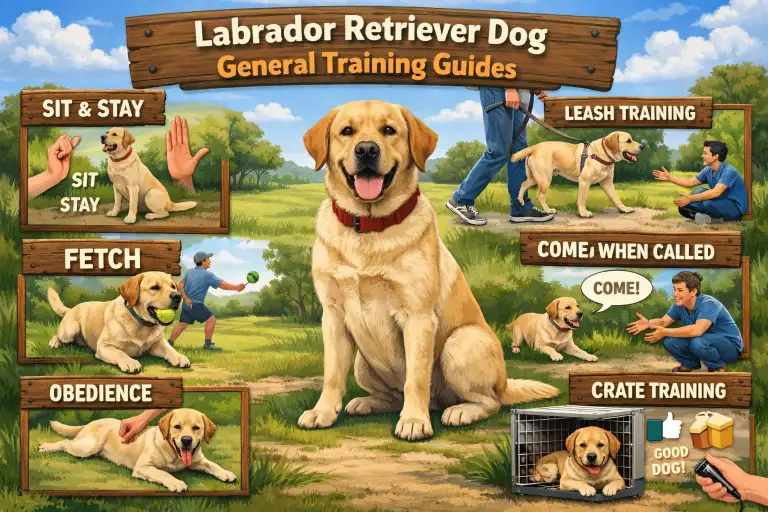
A Labrador needs daily physical and mental activity. Most adult Labradors require around 60–90 minutes of exercise per day. Walks, fetch, swimming, puzzle toys, and obedience training are all helpful.
Labs are intelligent and eager to please, which makes them easy to train. Positive reinforcement, food rewards, and short training sessions work best. Common training issues include jumping, leash pulling, and ignoring commands when excited.
Labrador Retriever Grooming and Daily Care
Although Labradors have short coats, they shed heavily throughout the year. Brushing 2–3 times per week helps control loose hair. During seasonal shedding, they may need more frequent grooming.
Labrador Grooming Needs
| Care Area | Typical Need |
|---|---|
| Brushing | 2–3 times weekly |
| Bathing | Every 1–2 months |
| Ear Care | Weekly checks |
| Nail Trimming | Every 3–4 weeks |
| Shedding Control | Regular brushing |
Because Labradors love water, their ears should be checked often to prevent moisture buildup and ear infections.
Labrador Retriever Health and Lifespan
The average Labrador Retriever lifespan is usually 10–12 years. With good food, exercise, weight control, and regular vet care, many Labs live healthy and active lives.
Common Labrador health problems include:
| Health Issue | Why It Matters |
|---|---|
| Hip Dysplasia | Can cause pain and mobility issues |
| Elbow Dysplasia | May lead to arthritis |
| Obesity | Very common in Labradors |
| Ear Infections | Linked to floppy ears and water exposure |
| Eye Problems | Can affect vision |
| Exercise-Induced Collapse | Weakness after intense activity |
Weight management is especially important because Labradors love food and can gain weight easily.
Cost of Owning a Labrador Retriever
Owning a Labrador includes costs for food, vet care, grooming supplies, training, and possible pet insurance. Because Labs are medium-to-large dogs, food and medical costs are usually higher than for smaller breeds.
Pet insurance may be useful because joint problems and injuries can become expensive.
Is a Labrador Retriever Right for You?
A Labrador Retriever is a great choice for active families, first-time dog owners, and people who want a loyal, social, and trainable dog. They do best in homes where they get daily exercise, attention, and structure.
Labrador Retriever Pros and Cons
| Pros | Cons |
|---|---|
| Friendly and loving | Needs daily exercise |
| Great family dog | Sheds heavily |
| Easy to train | Can gain weight easily |
| Good with other pets | Gets bored when alone |
| Loyal and playful | Can be too energetic |
A Labrador may not be ideal for people who want a low-energy dog or cannot spend time on training and exercise.
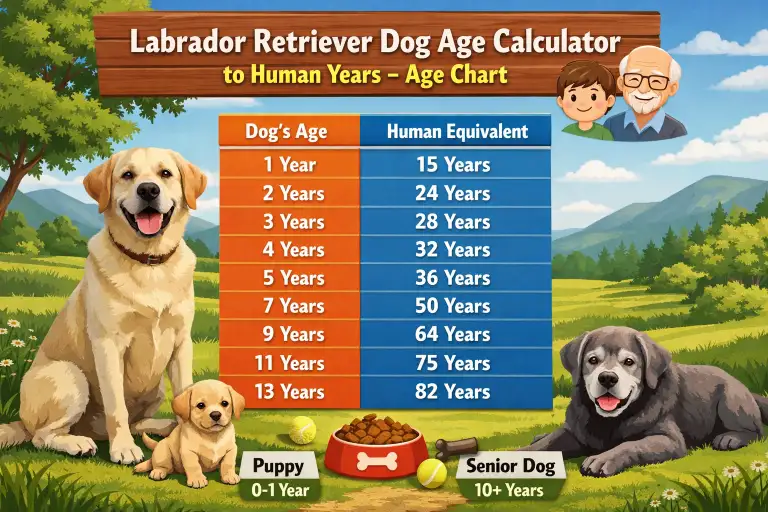
To understand your dog’s current life stage, use the Labrador Retriever Dog Age Calculator.
For deeper breed-specific guidance, see the Labrador Retriever Training Guide, Labrador Retriever Age Chart, Labrador Retriever Grooming Guide, Labrador Retriever Nutrition & Feeding Guide, and Labrador Retriever Cost of Ownership Guide.
Frequently Asked Questions (FAQs) About Labrador Retrievers
1. Are Labrador Retrievers good family dogs?
Yes, Labrador Retrievers are considered one of the best family dog breeds. They are friendly, loyal, affectionate, and usually get along well with children and other pets when properly trained and socialized.
2. How much exercise does a Labrador Retriever need?
An adult Labrador Retriever typically needs 60 to 90 minutes of exercise daily. Activities such as walking, running, swimming, fetch, and training sessions help keep them physically and mentally healthy.
3. Do Labrador Retrievers shed a lot?
Yes, Labradors are heavy shedders. They have a dense double coat that sheds year-round, with heavier shedding during seasonal coat changes. Regular brushing can help manage loose hair.
4. Are Labrador Retrievers easy to train?
Yes, Labradors are highly intelligent and eager to please, making them one of the easiest dog breeds to train. Positive reinforcement methods work especially well with this breed.
5. How long do Labrador Retrievers live?
The average Labrador Retriever lifespan is 10 to 12 years. Proper nutrition, regular exercise, weight management, and routine veterinary care can help them live longer and healthier lives.
6. What health problems are common in Labrador Retrievers?
Common Labrador health issues include hip dysplasia, elbow dysplasia, obesity, ear infections, eye disorders, and exercise-induced collapse. Regular health screenings can help detect problems early.
7. Are Labrador Retrievers good with children?
Yes, Labradors are known for being patient, playful, and gentle with children. However, young Labradors can be energetic and may accidentally knock over small children during play.
8. Can Labrador Retrievers live in apartments?
Labradors can live in apartments if they receive enough daily exercise and mental stimulation. Without sufficient activity, they may become bored and develop destructive behaviors.
9. Do Labrador Retrievers bark a lot?
Labradors are not typically excessive barkers. They may bark to alert their owners or when excited, but most are naturally friendly rather than protective.
10. What is the best diet for a Labrador Retriever?
A high-quality, balanced dog food that matches the dog’s age, size, and activity level is best. Because Labradors are prone to weight gain, portion control and healthy treats are important.
11. Are male or female Labrador Retrievers better?
Neither gender is universally better. Male Labradors are often slightly larger and more playful, while females may be somewhat calmer and more independent. Personality varies by individual dog.
12. Is a Labrador Retriever a good choice for first-time dog owners?
Yes, Labrador Retrievers are often recommended for first-time owners because of their friendly temperament, trainability, and adaptability. However, owners must be prepared for their exercise and training needs.
Final Thoughts
The Labrador Retriever is a loving, intelligent, and active breed. Labs are excellent companions when their needs are understood and met. With proper training, exercise, grooming, and health care, a Labrador can become one of the most rewarding dogs to own.
SEO Keywords Used: Labrador Retriever, Labrador dog breed, Labrador temperament, Labrador care, Labrador health, Labrador Retriever lifespan, Labrador Retriever grooming, Labrador Retriever exercise, Labrador family dog.

Ata Ur Rehman is the founder of Pet Age in Human Years Calculator, an educational platform that provides age conversion charts and lifespan guides for dogs, cats, birds, and other companion animals. His work focuses on helping pet owners understand how animal ages translate into human years using commonly accepted age conversion formulas and published lifespan averages.
The website compiles breed and species lifespan data from kennel clubs, breed organizations, and general animal lifespan studies to present simple and easy-to-understand guides for pet owners worldwide.
This website was created to centralize animal age conversion charts into one easy reference platform for pet owners.
This article is for general education. For symptoms, medication, diet changes, or health concerns, use a qualified veterinarian who can assess your individual pet.