On this page
The Alaskan Klee Kai dog is a small, intelligent companion breed known for its Husky-like appearance, compact size, loyal temperament, and alert personality. Often described as a miniature Husky, the Alaskan Klee Kai was developed in Alaska during the 1970s for owners who wanted the look and energy of a northern spitz-type dog in a smaller, more manageable companion.
This complete Alaskan Klee Kai dog guide explains the key things owners and future owners usually search for, including Alaskan Klee Kai size, lifespan, temperament, health issues, coat care, exercise needs, training, feeding, costs, and pros and cons. The goal is to help you understand whether this breed fits your home, lifestyle, activity level, and long-term care expectations.
Alaskan Klee Kais are loyal, energetic, observant, and deeply attached to their families. They usually have almond-shaped eyes, erect ears, a thick double coat, and a distinct facial mask that gives them their recognizable Husky-like look. They can be cautious around strangers, so early socialization and consistent training are important for building confidence.
Alaskan Klee Kais come in three size categories: Toy, Miniature, and Standard. Most live around 12-16 years, so lifespan, preventive health care, weight control, and age-related planning are important parts of responsible ownership.
Quick Facts Snapshot
| Feature | Alaskan Klee Kai Dog Details |
|---|---|
| Breed Type | Small companion / spitz-type dog |
| Size Categories | Toy, Miniature, Standard |
| Typical Height | Up to 17 inches, depending on size category |
| Typical Weight | Usually 5-22 lb, depending on size category |
| Typical Lifespan | 12-16 years |
| Temperament | Intelligent, alert, loyal, reserved, affectionate |
| Energy Level | Moderate to high |
| Coat Type | Thick double coat with seasonal shedding |
| Common Health Concerns | Patellar luxation, eye issues, thyroid concerns, dental disease |
| Best For | Active owners, apartment owners, small homes, experienced first-time owners |
Quick Facts Snapshot
| Feature | Alaskan Klee Kai Dog Details |
|---|---|
| Breed Type | Companion / Spitz-type dog |
| Size Categories | Toy, Miniature, Standard |
| Typical Lifespan | 12-16 years |
| Energy Level | Moderate to high |
| Temperament | Intelligent, alert, loyal, reserved, affectionate |
| Best For | Active owners, small homes, apartments, experienced first-time owners |
Alaskan Klee Kai Size, Appearance, and Coat
The Alaskan Klee Kai looks similar to a small Husky, but it is lighter, more compact, and bred primarily as a companion dog rather than a sledding or working dog. Its most recognizable features include erect ears, a curled tail, a wedge-shaped head, and a facial mask that gives the breed an alert, expressive appearance.
Alaskan Klee Kai size is one of the most important search topics because the breed comes in three recognized size categories: Toy, Miniature, and Standard. These size differences matter for apartment living, exercise planning, feeding portions, and long-term care expectations.
The breed has a thick double coat that sheds moderately throughout the year and more heavily during seasonal coat changes. Common Alaskan Klee Kai colors include black and white, gray and white, red and white, and other mask-pattern combinations. Brown, red, miniature, toy, and standard size searches are usually related to appearance and size comparison intent.
Alaskan Klee Kai Size & Coat Overview
| Size Category | Height | Weight | Best Fit | Coat Notes |
|---|---|---|---|---|
| Toy Alaskan Klee Kai | Up to 13 inches | Usually 5-10 lb | Small homes, apartments, owners wanting the smallest size | Double coat, seasonal shedding |
| Miniature Alaskan Klee Kai | Over 13 to 15 inches | Usually 10-15 lb | Owners wanting a compact but active companion | Double coat, moderate grooming needs |
| Standard Alaskan Klee Kai | Over 15 to 17 inches | Usually 15-22 lb | Active owners who want the largest Klee Kai size | Thick coat, more brushing during shedding season |
For grooming-specific care, see the Alaskan Klee Kai Grooming Guide.
How Long Do Alaskan Klee Kai Live? Lifespan and Aging
The typical Alaskan Klee Kai lifespan is around 12-16 years. Smaller companion breeds often have longer lifespans than many large and giant breeds, but individual life expectancy still depends on genetics, weight control, exercise, preventive veterinary care, dental health, and early detection of breed-related health problems.
If you are asking how long do Alaskan Klee Kai live, the best short answer is that many healthy Alaskan Klee Kais can live into their early or mid-teens with proper care. Owners should pay close attention to weight, joint health, eye health, heart health, and routine checkups as the dog ages.
To estimate your dog’s age more accurately, use the Alaskan Klee Kai Dog Age Calculator. You can also review the Alaskan Klee Kai age chart for a year-by-year comparison.
Alaskan Klee Kai Temperament, Behavior, and Suitability
Alaskan Klee Kai temperament is usually described as intelligent, loyal, alert, curious, and affectionate with family. These dogs often bond strongly with their owners and enjoy being involved in daily routines, but they are not usually overly friendly with strangers right away.
The breed’s reserved nature can be a strength for owners who want a watchful companion, but it also means socialization is essential. Without steady exposure to new people, sounds, dogs, and environments, an Alaskan Klee Kai may become shy, nervous, or overly vocal.
Alaskan Klee Kais can do well with calm children, active adults, apartment owners, and families who have time for daily exercise. They may also live with other dogs when introduced properly. Because some have prey drive, caution is needed around smaller pets such as rabbits, birds, or rodents.
Behavior & Suitability Snapshot
| Trait | What to Expect | Owner Guidance |
|---|---|---|
| Family Bond | Loyal, affectionate, people-focused | Best with owners who spend time with the dog daily |
| Strangers | Reserved, cautious, observant | Early socialization is important |
| Children | Playful but sometimes sensitive | Best with calm, respectful children |
| Other Pets | Can do well with dogs; may chase small animals | Use slow introductions and supervision |
| Apartment Living | Possible with enough activity | Daily walks and mental stimulation are required |
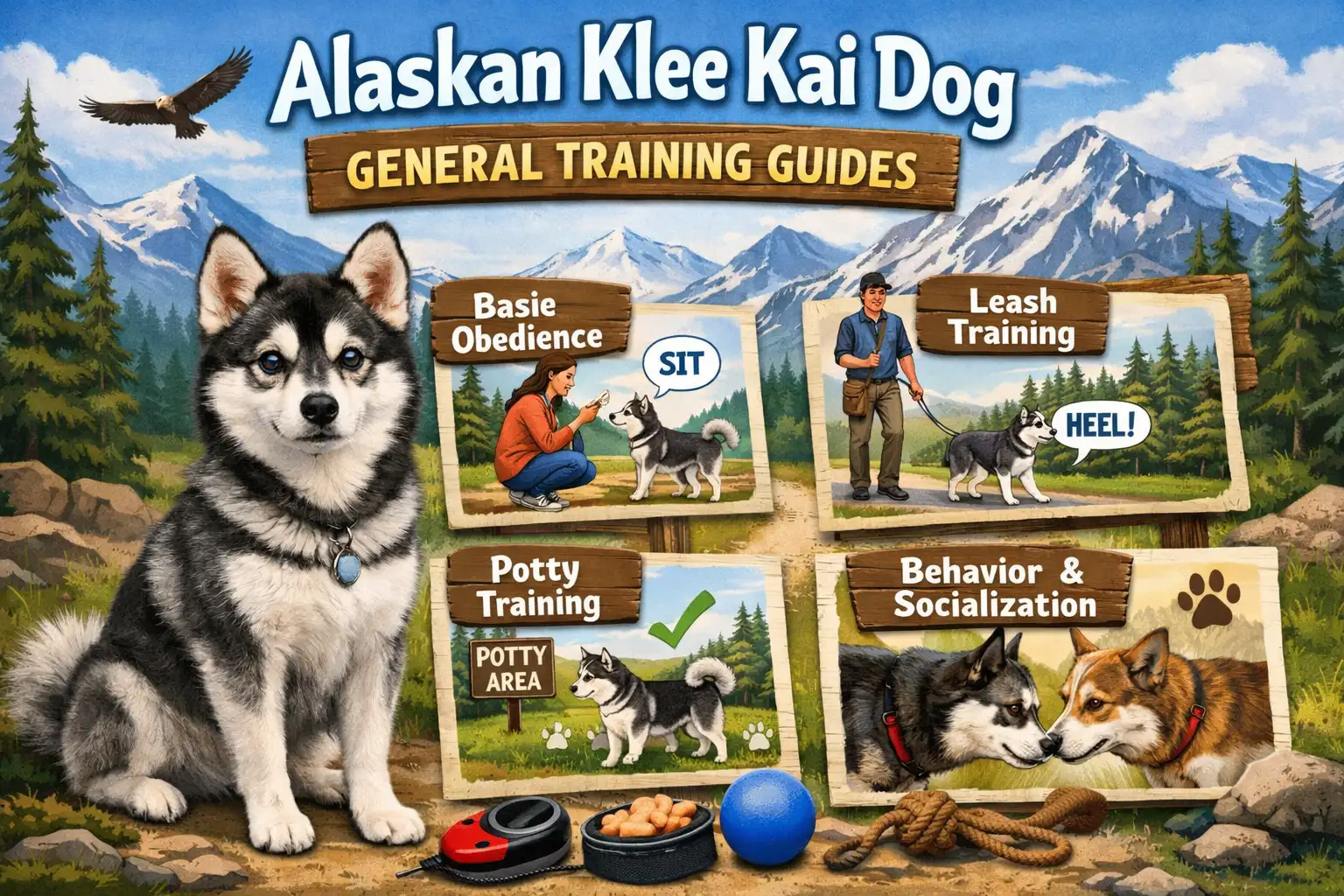
For behavior and obedience help, visit the Alaskan Klee Kai Training Guide.
Training, Exercise, and Mental Stimulation
Alaskan Klee Kais are smart and quick learners, but they can also be independent. Training works best when sessions are short, consistent, and reward-based. Harsh correction can make this sensitive breed less confident, while positive reinforcement helps build trust and focus.
Most Alaskan Klee Kais need around 30-60 minutes of daily activity, depending on age, size, health, and energy level. Walks, controlled play, puzzle toys, obedience games, scent games, and recall practice can help prevent boredom-related behaviors like barking, digging, chewing, or restlessness.
Because this breed is alert and vocal, training should include calm greeting behavior, quiet cues, leash manners, recall, and confidence-building socialization. Owners should start early and stay consistent through adolescence.
| Training Area | Why It Matters | Best Approach |
|---|---|---|
| Socialization | Reduces fearfulness and stranger wariness | Gentle exposure to people, dogs, sounds, and places |
| Recall | Important because of curiosity and prey drive | Use rewards, long lines, and safe practice areas |
| Leash Walking | Helps manage energy and focus | Reward calm walking and attention |
| Barking Control | Prevents alert barking from becoming excessive | Teach quiet cues and reduce boredom |
| Mental Enrichment | Prevents destructive behavior | Use puzzle toys, scent work, and training games |
Alaskan Klee Kai Health Issues
Alaskan Klee Kais are generally healthy dogs, but owners should still understand common Alaskan Klee Kai health issues. Responsible breeding, routine veterinary care, weight management, and early screening can reduce risk and help catch problems before they become more serious.
Health concerns sometimes associated with the breed include patellar luxation, eye problems, heart concerns, thyroid issues, and dental disease. Not every dog will develop these conditions, but owners should watch for changes in movement, vision, breathing, appetite, energy level, or behavior.
Health & Screening Summary
| Health Area | Why It Matters | Owner Action |
|---|---|---|
| Patellar Luxation | Can affect knee stability and movement | Watch for skipping, limping, or sudden leg lifting |
| Eye Issues | May affect comfort and vision | Schedule vet checks if you notice redness, cloudiness, or squinting |
| Heart Health | Important for long-term lifespan and senior care | Keep routine veterinary exams consistent |
| Thyroid Concerns | Can affect weight, coat, and energy | Ask your vet about testing if symptoms appear |
| Dental Health | Small breeds can be prone to dental buildup | Use regular brushing, dental chews, and professional cleanings when needed |
Care, Feeding, and Daily Maintenance
Daily care for an Alaskan Klee Kai should focus on proper food portions, regular exercise, coat maintenance, dental care, and mental enrichment. Because this breed is small but active, overfeeding can lead to weight gain, while under-stimulation can lead to unwanted behavior.
Choose a diet based on age, size category, body condition, and activity level. Toy, Miniature, and Standard Alaskan Klee Kais may have different calorie needs, so portion control matters. For a deeper diet breakdown, visit the Alaskan Klee Kai Nutrition & Feeding Guide.
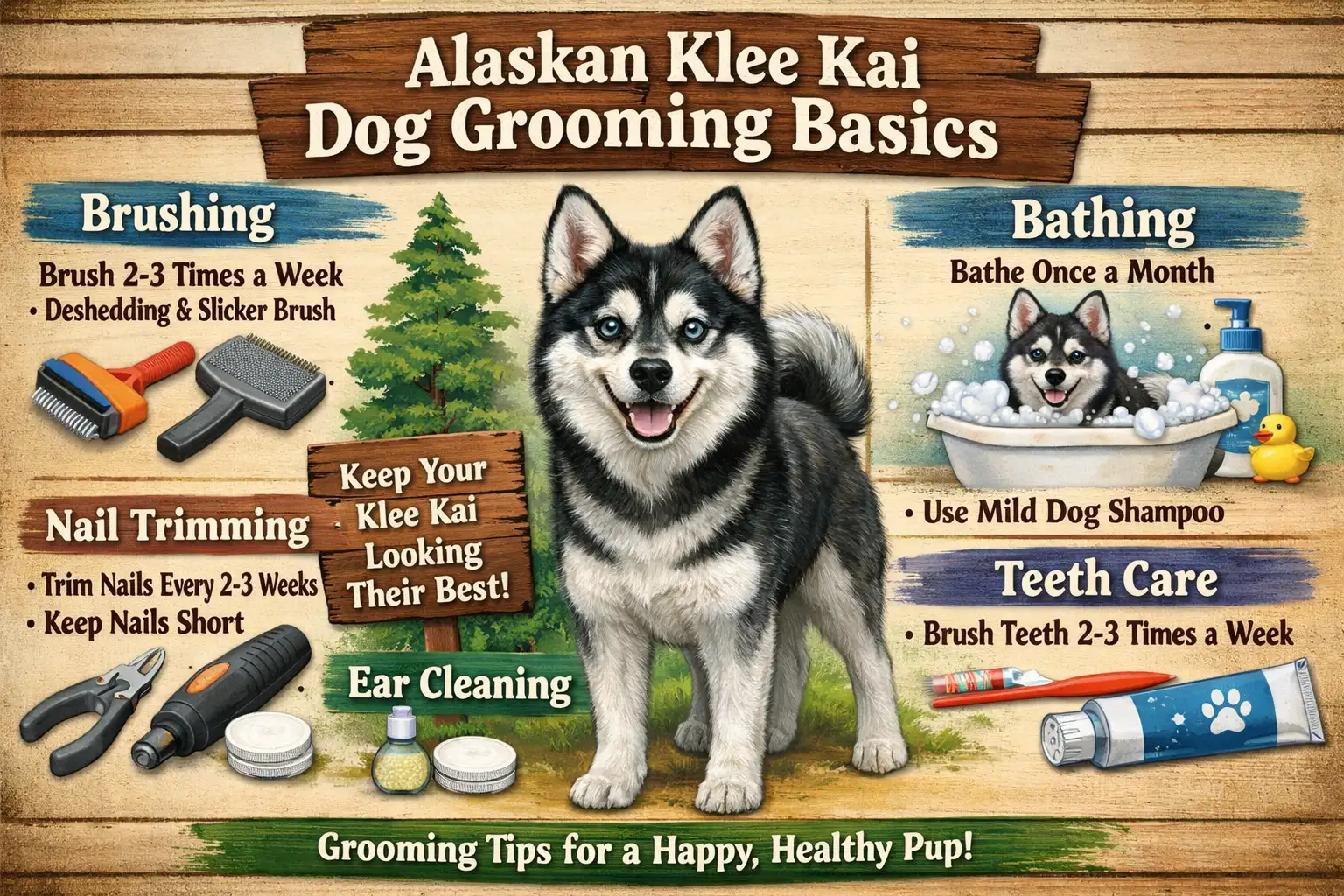
Weekly brushing is usually enough for normal coat maintenance, but brushing should increase during shedding seasons. Owners should also keep nails trimmed, ears clean, teeth maintained, and vet visits scheduled regularly.
Alaskan Klee Kai Cost, Pros and Cons
Owning an Alaskan Klee Kai can be rewarding, but it can also be expensive. Costs may include the initial puppy or adoption cost, food, grooming supplies, toys, training, preventive care, vaccinations, dental care, pet insurance, and unexpected veterinary treatment.
For a full cost breakdown, use the Alaskan Klee Kai Cost of Ownership Guide.
Alaskan Klee Kai Pros and Cons
| Pros | Cons |
|---|---|
| Compact size and apartment-friendly with enough exercise | Can be reserved or shy around strangers |
| Intelligent, alert, and quick to learn | May be vocal if bored or under-stimulated |
| Loyal and affectionate with family | Needs early socialization and consistent training |
| Long lifespan compared with many larger breeds | Seasonal shedding requires extra brushing |
| Husky-like appearance in a smaller body | May have prey drive around small animals |
Frequently Asked Questions About the Alaskan Klee Kai Dog
How long do Alaskan Klee Kai live?
Alaskan Klee Kais usually live around 12-16 years. Their lifespan depends on genetics, weight, diet, exercise, dental care, preventive vet visits, and early management of health problems.
What size is an Alaskan Klee Kai?
The Alaskan Klee Kai comes in Toy, Miniature, and Standard sizes. Toy dogs are the smallest, Miniature dogs are mid-sized, and Standard Alaskan Klee Kais are the largest version of the breed.
What is the temperament of an Alaskan Klee Kai?
The Alaskan Klee Kai temperament is usually intelligent, loyal, alert, affectionate with family, and reserved with strangers. Early socialization helps reduce fearfulness and improves confidence.
Do Alaskan Klee Kai have health issues?
Alaskan Klee Kais can be prone to some health concerns, including patellar luxation, eye issues, heart concerns, thyroid problems, and dental disease. Routine veterinary care and responsible breeding help reduce risk.
Are Alaskan Klee Kai good dogs?
Yes, Alaskan Klee Kais can be excellent dogs for the right owner. They are loyal, smart, and affectionate, but they need daily exercise, training, socialization, and mental stimulation.
Are Alaskan Klee Kai good for apartments?
Yes, an Alaskan Klee Kai can live in an apartment if its exercise and mental stimulation needs are met. Owners should plan for daily walks, playtime, training, and barking control.
Do Alaskan Klee Kai shed?
Yes, Alaskan Klee Kais have a double coat and shed moderately, with heavier shedding during seasonal coat changes. Weekly brushing helps control loose hair, while shedding seasons require more frequent brushing.
What colors do Alaskan Klee Kai come in?
Common Alaskan Klee Kai colors include black and white, gray and white, red and white, and other facial mask patterns. Color should be less important than health, temperament, and responsible breeding.
More Alaskan Klee Kai Resources
Use these related Alaskan Klee Kai resources for topics that are covered in more detail on their dedicated pages:

Ata Ur Rehman is the founder of Pet Age in Human Years Calculator, an educational platform that provides age conversion charts and lifespan guides for dogs, cats, birds, and other companion animals. His work focuses on helping pet owners understand how animal ages translate into human years using commonly accepted age conversion formulas and published lifespan averages.
The website compiles breed and species lifespan data from kennel clubs, breed organizations, and general animal lifespan studies to present simple and easy-to-understand guides for pet owners worldwide.
This website was created to centralize animal age conversion charts into one easy reference platform for pet owners.
This article is for general education. For symptoms, medication, diet changes, or health concerns, use a qualified veterinarian who can assess your individual pet.