On this page
Papillons usually live between 14 and 16 years, making them one of the longer-living toy dog breeds. Some Papillons may live beyond 16 years with good genetics, proper dental care, regular exercise, healthy weight management, and routine veterinary checkups.
This guide explains the average Papillon lifespan, how long Papillons live, when they become seniors, when they stop growing, and which health factors can affect their life expectancy. You’ll also find age stages, growth milestones, and care tips to help you understand your Papillon’s aging process more clearly.
For a more accurate age comparison, use our Papillon Dog Age Calculator to estimate your Papillon’s age in human years and understand its current life stage.
Papillon Lifespan & Quick Facts
The average Papillon dog lifespan is usually 14 to 16 years. This breed often stays active, alert, and playful well into its senior years, especially when daily care is consistent. Because Papillons are small, lightweight dogs with generally healthy genetics, they often live longer than many medium, large, and giant dog breeds.
Most Papillons are considered seniors around 8 to 9 years old, although many still behave like young adults during this stage. Their aging process is gradual, so owners should watch for small changes in energy, mobility, teeth, weight, eyesight, and daily behavior.
| Papillon Lifespan Factor | Typical Range |
|---|---|
| Average lifespan | 14-16 years |
| Possible longer lifespan | 16+ years with excellent care |
| Senior age | Around 8-9 years |
| Full height reached | Usually 8-10 months |
| Adult weight | Usually 5-10 pounds |
| Main lifespan care focus | Dental care, weight control, exercise, vet checkups |
If your Papillon is already in adulthood or senior age, the Papillon Dog Age Calculator can help you compare its dog age with human years and understand whether it is in the puppy, adult, or senior stage.
Why Papillons Often Live So Long
Papillons are small toy dogs with a light body structure, moderate exercise needs, and strong mental energy. These traits can support a longer life when the dog receives proper care throughout puppyhood, adulthood, and senior years.
The breed is also known for being intelligent, active, and responsive to training. Mental stimulation, regular walks, indoor play, and a stable routine can help Papillons stay healthy and engaged as they age.
However, a long Papillon life expectancy does not happen automatically. Dental disease, excess weight, joint problems, poor nutrition, and missed vet visits can reduce both lifespan and quality of life.
Papillon Size, Appearance, and Lifespan Connection
Adult Papillons usually stand around 8 to 11 inches tall and weigh about 5 to 10 pounds. Their small size is one reason they often live longer than larger breeds, but it also means owners need to protect their joints, teeth, and weight carefully.
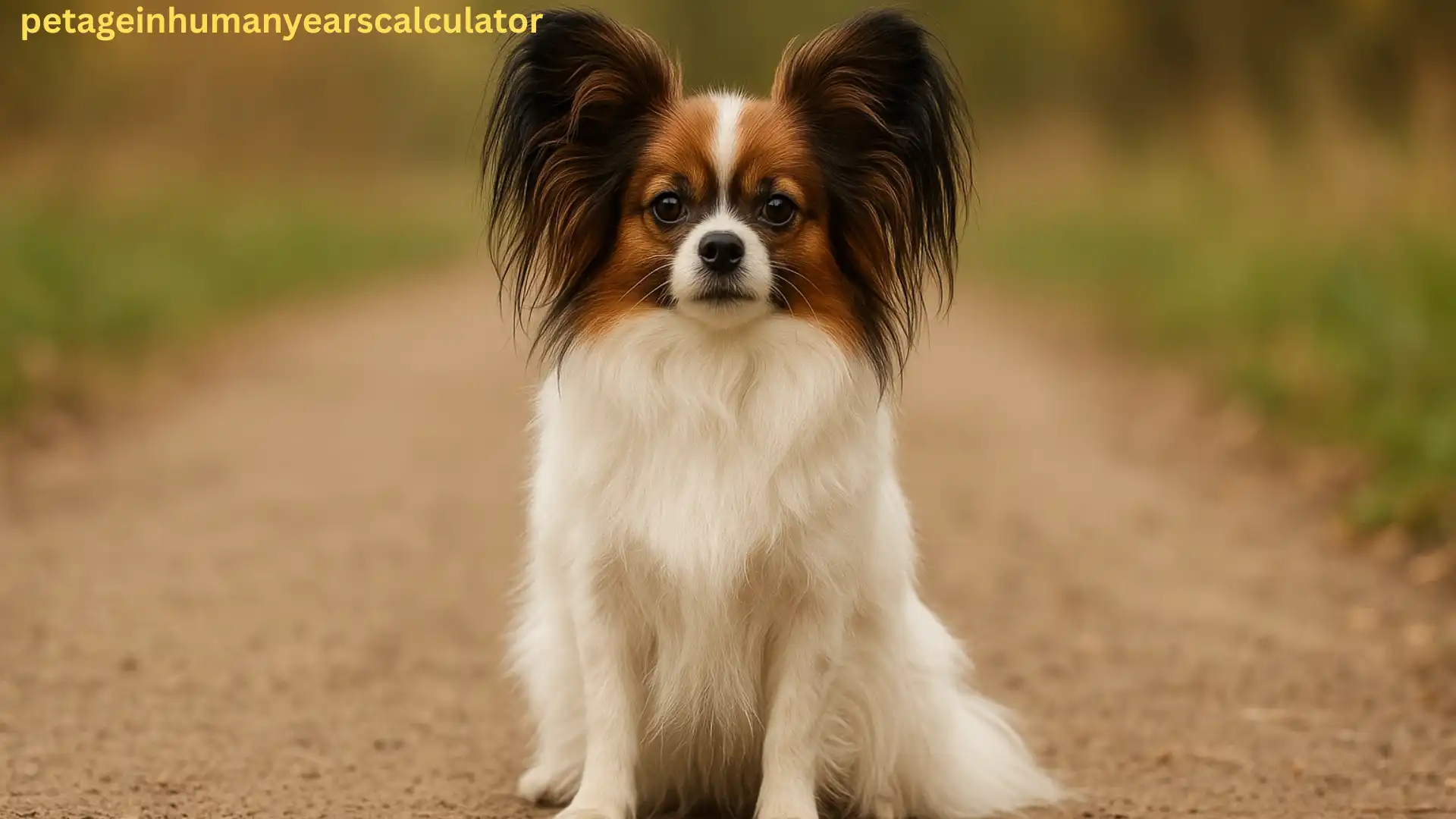
Papillons are recognized for their butterfly-shaped ears, fine-boned body, and silky coat. Although they look delicate, many are athletic and energetic. Keeping them lean and active can help protect mobility during the senior years.
Papillon Temperament and Aging
Papillons are affectionate, alert, and people-oriented dogs. Their active personality often continues into adulthood and senior age, which is one reason many owners describe them as lively even in later life.
Because Papillons are intelligent and energetic, they benefit from daily interaction, light training, short walks, and mental stimulation. A bored or inactive Papillon may gain weight or develop behavior issues, which can indirectly affect long-term health.
For more behavior and obedience support, you can read our Papillon training guide.
Daily Care That Supports a Longer Papillon Lifespan
Daily care has a major impact on how long Papillons live. The most important areas are dental care, healthy weight, regular exercise, balanced nutrition, grooming, and routine veterinary checkups.
Dental care is especially important for Papillons because small breeds are more likely to develop dental disease as they age. Brushing, professional dental cleanings, and early treatment of mouth problems can help protect overall health.
| Care Area | Why It Matters for Lifespan |
|---|---|
| Dental care | Helps reduce infection risk and age-related complications |
| Healthy weight | Reduces pressure on joints, heart, and mobility |
| Daily exercise | Supports muscle tone, weight control, and mental health |
| Balanced nutrition | Supports immune function and healthy aging |
| Routine vet visits | Helps detect health issues earlier |
| Grooming | Helps owners notice skin, coat, ear, or body changes early |
For related care topics, you can also read our Papillon care guide, Papillon food guide, and Papillon cost guide.
When Do Papillons Stop Growing?
Most Papillons stop growing in height between 8 and 10 months old. Many continue filling out slightly and developing muscle tone until around 12 months old. Because the Papillon is a toy breed, its physical growth period is shorter than medium, large, and giant dog breeds.
Even after a Papillon reaches full size, mental maturity can continue into the second year. Young adult Papillons often stay playful, energetic, and highly active, so their care routine should still include training, exercise, and healthy weight control.
| Growth Milestone | Typical Age |
|---|---|
| Full height reached | 8-10 months |
| Body fills out | Around 12 months |
| Mental maturity | 1-2 years |
| Adult weight range | Usually 5-10 pounds |
| Senior stage begins | Around 8-9 years |
Papillon Lifespan, Health, and Age Stages
The average Papillon lifespan is usually 14 to 16 years. This makes the Papillon one of the longer-living toy dog breeds. With proper nutrition, dental care, regular exercise, healthy weight management, and routine veterinary care, some Papillons may live beyond 16 years.
Understanding Papillon age stages helps owners adjust care at the right time. A Papillon puppy, adult Papillon, and senior Papillon do not need the exact same routine. Exercise, food portions, dental care, vet checkups, and daily activity should change as the dog moves through each life stage.
To compare your Papillon’s dog age with human years, use our Papillon Dog Age Calculator. This calculator helps you understand your dog’s current life stage more clearly.
Papillon Age Stages Chart
The chart below shows the typical Papillon age stages from puppyhood to senior years. These age ranges are general estimates, but they help explain how Papillons age over time.
| Life Stage | Papillon Age Range | What Usually Happens | Care Focus |
|---|---|---|---|
| Puppy | 0-12 months | Fast growth, socialization, training, high energy | Training, safe exercise, quality puppy food, vet visits |
| Young Adult | 1-3 years | Full size reached, strong energy, active learning | Exercise, obedience, mental stimulation, weight control |
| Adult | 4-7 years | Stable activity level and mature behavior | Dental care, balanced diet, regular checkups |
| Senior | 8-12 years | Gradual aging signs may begin | Joint support, dental monitoring, senior vet care |
| Older Senior | 13+ years | More visible aging changes may appear | Comfort, mobility support, careful weight and health monitoring |
When Is a Papillon Considered a Senior?
A Papillon is usually considered a senior around 8 to 9 years old. However, many Papillons remain active and alert well beyond this age. Senior age does not always mean a Papillon is weak or inactive, but it does mean owners should start paying closer attention to dental health, weight, eyesight, mobility, and energy levels.
Because the Papillon life expectancy is relatively long, the senior stage can last for several years. This is why early senior care matters. Small changes in food, exercise, dental care, and vet checkup frequency can help support a healthier and more comfortable older life.
Common Papillon Health Issues That Affect Lifespan
Papillons are generally healthy dogs, but some health problems can affect quality of life and long-term lifespan if they are not managed early. The most important Papillon dog health problems to watch for include dental disease, luxating patella, eye problems, weight gain, and age-related mobility changes.
| Health Issue | How It Can Affect Lifespan | Owner Care Focus |
|---|---|---|
| Dental disease | Can lead to pain, infection, and wider health problems | Brushing, dental checks, professional cleaning when needed |
| Luxating patella | Can affect walking, comfort, and activity level | Weight control, vet monitoring, safe exercise |
| Progressive retinal atrophy | May reduce vision over time | Eye checks and home safety adjustments |
| Weight gain | Can increase stress on joints, heart, and mobility | Portion control, daily movement, healthy feeding routine |
| Senior mobility changes | Can reduce activity and comfort in later years | Gentle exercise, soft bedding, regular vet checks |
Dental care is one of the biggest lifespan-related care areas for Papillons. Small breeds are more prone to dental problems, and untreated dental disease can affect eating comfort, infection risk, and overall health. Regular brushing, dental checkups, and early treatment can help support a longer and healthier Papillon dog lifespan.
What Affects a Papillon’s Lifespan?
Several factors influence how long Papillons live. Genetics matter, but daily care has a major impact too. A Papillon with healthy weight, clean teeth, regular exercise, balanced nutrition, and routine vet care has a better chance of reaching the higher end of the average lifespan range.
| Lifespan Factor | How It Affects Longevity |
|---|---|
| Genetics | Healthy breeding lines may reduce inherited health risks |
| Dental care | Helps reduce infection risk and age-related complications |
| Healthy weight | Reduces strain on joints, heart, and mobility |
| Regular exercise | Supports muscle tone, heart health, and mental stimulation |
| Balanced nutrition | Supports immune function, weight control, and healthy aging |
| Routine veterinary care | Helps detect health problems earlier |
Many Papillons remain active, alert, and mentally sharp well into their senior years when they receive consistent care. To support healthy aging, owners should focus on prevention instead of waiting for serious problems to appear.
You can also read our Papillon food guide, Papillon care guide, and Papillon training guide for related care support.
For a direct age estimate, use the Papillon Dog Age Calculator to compare your Papillon’s current age with human years.
Papillon Lifespan Chart by Age
The Papillon lifespan chart below gives a simple view of how Papillons usually age from puppyhood to their senior years. These ranges are general estimates, but they can help owners understand when a Papillon is growing, fully adult, senior, or older senior.
| Papillon Age | Life Stage | What It Usually Means |
|---|---|---|
| 0-6 months | Puppy | Fast growth, early training, socialization, and high energy |
| 6-12 months | Older Puppy | Most Papillons reach full height and begin filling out |
| 1-3 years | Young Adult | Fully grown, active, playful, and mentally sharp |
| 4-7 years | Adult | Stable adult stage with regular exercise, dental care, and weight control |
| 8-12 years | Senior | Early aging signs may appear, including slower movement or dental issues |
| 13-16 years | Older Senior | More careful health monitoring, comfort, and mobility support may be needed |
| 16+ years | Long-Lived Senior | Some Papillons live beyond the average lifespan with excellent care and genetics |
This chart also supports the main lifespan question: how long do Papillons live? Most Papillons live around 14 to 16 years, but their quality of life depends heavily on dental care, healthy weight, nutrition, exercise, and routine veterinary care.
Papillon Size, Coat, and Aging Notes
Most adult Papillons weigh around 5 to 10 pounds and stand about 8 to 11 inches tall. Their small size is one reason they often have a longer life expectancy than many larger breeds, but it also means owners should be careful with weight gain, dental health, and joint stress.
Many Papillons develop their adult coat gradually during puppyhood and young adulthood. Coat changes do not directly decide lifespan, but grooming can help owners notice skin changes, weight changes, lumps, soreness, or other signs that may need attention as the dog ages.
Papillons do shed, but their shedding is usually manageable compared with many heavier-coated breeds. Regular brushing, dental care, healthy food, and routine checkups all support better long-term care as a Papillon moves from adult age into senior years.
Frequently Asked Questions About Papillon Lifespan
How long do Papillons usually live?
Most Papillons live between 14 and 16 years. Some Papillons may live longer than 16 years with good genetics, proper dental care, healthy nutrition, regular exercise, and routine veterinary visits.
What is the average Papillon life expectancy?
The average Papillon life expectancy is usually 14 to 16 years. This is longer than many larger dog breeds because Papillons are small, lightweight, and often remain active into their senior years.
At what age is a Papillon considered a senior?
Most Papillons are considered seniors around 8 or 9 years old. Some remain energetic after this age, but owners should begin monitoring teeth, weight, mobility, eyesight, and activity level more closely.
When do Papillons stop growing?
Most Papillons reach their full height by 8 to 10 months old and finish filling out physically around 12 months old. Mental maturity may continue into the second year.
Do male and female Papillons have different lifespans?
Male and female Papillons usually have a similar lifespan of around 14 to 16 years. Care quality, genetics, dental health, weight, and veterinary monitoring usually matter more than gender.
How long do Papillon mixes live?
A Papillon mix may live around 12 to 16 years, depending on the other breed in the mix, size, genetics, health history, and daily care. Smaller Papillon mixes often have a longer average lifespan than larger mixes.
What health problems are common in Papillons?
Common Papillon health problems include dental disease, luxating patella, progressive retinal atrophy, weight gain, and age-related mobility changes. Regular vet care and early prevention can help protect quality of life as Papillons age.
Are Papillons easy to care for as they age?
Yes, Papillons are generally manageable senior dogs when they receive proper exercise, healthy nutrition, dental care, grooming, and routine veterinary monitoring. Their small size makes daily care easier, but dental care and weight control become especially important with age.
More Papillon Resources
Use these related Papillon guides for topics that are covered in more detail on their dedicated pages:

Ata Ur Rehman is the founder of Pet Age in Human Years Calculator, an educational platform that provides age conversion charts and lifespan guides for dogs, cats, birds, and other companion animals. His work focuses on helping pet owners understand how animal ages translate into human years using commonly accepted age conversion formulas and published lifespan averages.
The website compiles breed and species lifespan data from kennel clubs, breed organizations, and general animal lifespan studies to present simple and easy-to-understand guides for pet owners worldwide.
This website was created to centralize animal age conversion charts into one easy reference platform for pet owners.
This article is for general education. For symptoms, medication, diet changes, or health concerns, use a qualified veterinarian who can assess your individual pet.