On this page
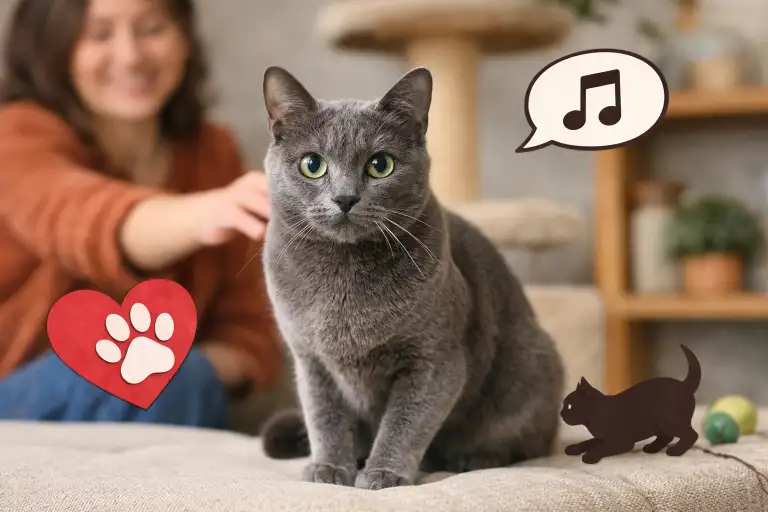
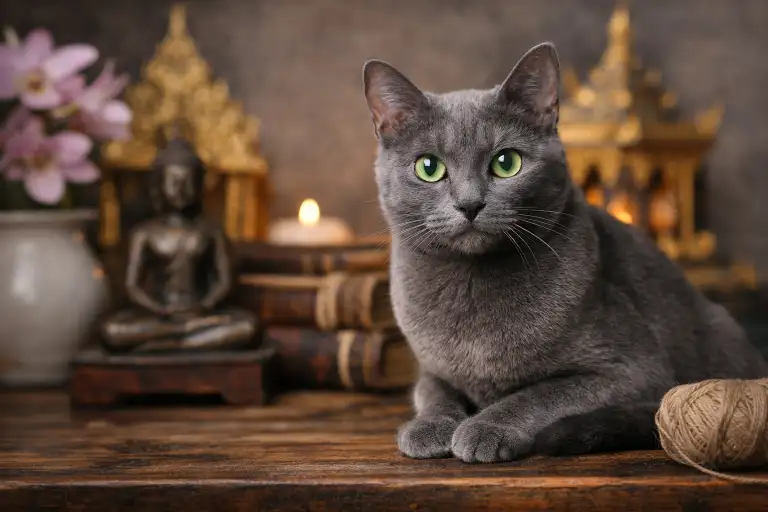
The Korat cat is one of the most emotionally connected and distinctive cat breeds in the world. Known for its shimmering silver-blue coat, heart-shaped face, and striking green eyes, the Korat is not just beautiful — it’s deeply people-oriented. This breed is often described as a “companion cat in the truest sense,” because Korats don’t simply live around you, they bond closely with you.
Unlike more independent breeds, the Korat tends to form a strong attachment to its humans. Many owners say their Korat follows them from room to room, quietly observing, waiting for interaction, and seeking closeness. If you’re looking for a cat that feels genuinely devoted, the Korat is a rare breed that delivers an almost dog-like loyalty — but with the sensitivity and elegance of a feline.
What makes the Korat even more special is its rarity. Originating in Thailand, Korats have traditionally been seen as symbols of good fortune and were historically given as gifts rather than sold. Even today, they remain uncommon outside dedicated breeding circles, which adds to their unique appeal.
Below is a quick snapshot of the Korat cat breed for readers who want fast, skimmable facts before diving deeper.
| Trait | Korat Cat Details |
|---|---|
| Origin | Thailand |
| Size | Medium |
| Weight | 6–10 lbs |
| Lifespan | 15–20 years |
| Coat | Silver-blue, single coat |
| Affection Level | Very high |
| Vocalization | Moderate, communicative |
| Rarity | Very rare outside Thailand |
In many ways, the Korat is ideal for people who want more than a decorative pet. This is a breed that thrives on companionship, routine, and emotional connection. For the right home, a Korat can become a lifelong shadow, confidant, and affectionate family member.
History, Origin & Why the Korat Is So Rare
The Korat cat is an ancient breed that comes from Thailand. In its home country, the Korat is not just a pet — it is seen as a symbol of good luck and happiness. For hundreds of years, Thai people believed that owning a Korat could bring prosperity to a family.
The Korat is one of the oldest natural cat breeds. This means it was not created by mixing different breeds. Instead, it developed naturally over time in Thailand.
Long ago, Korats were mentioned in old Thai writings called the “Cat Book Poems.” These poems described special cats that were believed to bring good fortune, and the Korat was one of them.
One reason Korats are so rare is because they were traditionally given as gifts, not sold in markets. People would offer Korats to newly married couples or important guests as a sign of respect and good wishes.
The Korat did not arrive in Western countries until the 1950s. Even after that, the breed stayed uncommon because:
- There were only a small number of Korats outside Thailand
- Breeding is carefully controlled to protect the pure bloodline
- Responsible breeders often have long waiting lists
Today, the Korat is still considered one of the rarest cat breeds in the world. Finding a Korat kitten usually takes time, research, and patience.
This long history and special cultural meaning are part of what makes the Korat so unique.
Appearance, Size, Coat & Recognizing a True Korat
The Korat cat is known for its beautiful and elegant look. Even though it is a medium-sized cat, it often feels heavier than it appears because of its strong muscles.
Many people fall in love with the Korat because of its shiny coat and bright eyes.
Here are the main features that make a Korat easy to recognize.
- Medium body with a solid, muscular build
- Smooth coat that looks like silver-blue velvet
- Large eyes that become bright green as the cat grows older
- A heart-shaped face, which is one of the breed’s most special traits
Korats are not large cats, but they are not tiny either. Most adult Korats weigh between 6 and 10 pounds.
Below is a simple breakdown of the Korat’s appearance.
| Feature | Description |
|---|---|
| Body Type | Muscular, compact, feels heavy for its size |
| Coat Color | Blue with silver tips that shine in the light |
| Coat Length | Short and close to the body |
| Eyes | Green (often turns green slowly with age) |
| Face Shape | Heart-shaped, with wide cheekbones |
One interesting fact is that Korat kittens are not born with green eyes. Their eyes may start as blue or gold, and it can take up to 2–4 years for the full green color to appear.
Korat vs Russian Blue
People sometimes confuse the Korat with the Russian Blue because both are gray-blue cats. But they are different in a few ways.
| Trait | Korat | Russian Blue |
|---|---|---|
| Coat | Single coat, smooth and shiny | Double coat, thick and plush |
| Personality | Very attached, loyal | More shy and independent |
| Rarity | Very rare | More common |
| Face Shape | Heart-shaped | More wedge-shaped |
A true Korat always has that silver shine, heart-shaped face, and strong emotional bond with people.
Temperament, Behavior & Home Suitability
The Korat cat is not only beautiful, but also very loving and loyal. This breed is known for forming a strong bond with its owner. Many Korats like to stay close to their favorite person all day.
Korats are often called “people cats” because they enjoy attention and companionship.
Here are some common personality traits of the Korat:
- Very affectionate and loving
- Loyal and emotionally connected
- Smart and curious
- Playful, but also enjoys quiet time
- Sensitive to changes in the home
Korats do not like being ignored for long periods. If left alone too often, they may become sad or stressed. This is why they do best with people who are home a lot.
Temperament Traits at a Glance
| Trait | Level |
|---|---|
| Affection | Very High |
| Independence | Low |
| Intelligence | High |
| Playfulness | Moderate–High |
| Vocalization | Medium |
| Stranger Friendliness | Moderate |
Are Korats good with children?
Yes, Korats can be great with children, especially older kids who know how to be gentle. They may not enjoy loud or rough play, so calm homes are best.
Do Korats get along with other pets?
Korats can live with other cats or friendly dogs, but they often prefer being the center of attention. They may not enjoy sharing their favorite human with many other pets.
Best home for a Korat
Korats do best in homes that are:
- Quiet and loving
- Full of attention and companionship
- Indoor and safe
- Not too busy or chaotic
Checklist: Is a Korat right for you?
✔ You want a cat that is very close and loving
✔ You are home often
✔ You enjoy an intelligent, people-focused breed
✘ You travel a lot or want a very independent cat
✘ You have a loud home with many pets
The Korat is a wonderful choice for someone who wants a true companion, not just a cat that stays in the background.
Care, Health, Lifespan & Cost to Own a Korat
Taking care of a Korat cat is not very hard, but this breed does need love, attention, and regular health care. Korats are known for living a long time, so owning one is a long-term commitment.
Lifespan of a Korat
Korat cats often live between 15 and 20 years. With good food, indoor living, and vet care, some can live even longer.
Grooming and daily care
Korats have a short single coat, so they are easy to groom.
Basic care includes:
- Brushing once a week
- Trimming nails regularly
- Cleaning ears when needed
- Brushing teeth or using dental treats
Korats do not shed heavily, which makes them a good choice for people who want a cleaner home.
Common health issues
Most Korats are healthy, but like all breeds, they can have a few genetic risks.
| Issue | Notes | Recommended Test |
|---|---|---|
| GM1/GM2 Gangliosidosis | Rare but serious inherited disease | DNA test from breeder |
| Dental Problems | Can happen in older cats | Regular dental checkups |
| Heart Monitoring | Important as they age | Yearly vet exams |
A good breeder will always test Korat kittens for genetic diseases before selling them.
Cost to own a Korat
Because Korats are rare, they are usually expensive.
| Expense | Typical Range |
|---|---|
| Kitten Price | $1,500–$2,500+ |
| Annual Vet Care | $300–$600 |
| Insurance | $25–$50 per month |
| Food and Supplies | Moderate cost |
Korats may cost more than common cats, but they offer years of loyal companionship.
For more official information about the Korat cat breed, including standards and breed history, you can visit the International Cat Association’s Korat breed page.

Ata Ur Rehman is the founder of Pet Age in Human Years Calculator, an educational platform that provides age conversion charts and lifespan guides for dogs, cats, birds, and other companion animals. His work focuses on helping pet owners understand how animal ages translate into human years using commonly accepted age conversion formulas and published lifespan averages.
The website compiles breed and species lifespan data from kennel clubs, breed organizations, and general animal lifespan studies to present simple and easy-to-understand guides for pet owners worldwide.
This website was created to centralize animal age conversion charts into one easy reference platform for pet owners.
This article is for general education. For symptoms, medication, diet changes, or health concerns, use a qualified veterinarian who can assess your individual pet.