On this page
The Tibetan Mastiff is one of the oldest and most powerful guardian dog breeds in the world. Known for its massive size, thick coat, independent personality, and natural protective instincts, this breed is very different from typical family companion dogs. The Tibetan Mastiff was developed for a specific purpose: protecting livestock, villages, monasteries, and properties in some of the harshest environments on Earth.
Unlike breeds that were created to follow human commands closely, the Tibetan Mastiff was bred to think independently. For centuries, these dogs guarded their territory without constant human direction, especially during nighttime when predators were most active. This history explains why modern Tibetan Mastiffs are intelligent, confident, territorial, and sometimes challenging for inexperienced owners.
A Tibetan Mastiff is not simply a large fluffy dog. It is a serious working guardian with strong instincts, a powerful personality, and specific ownership requirements. The right owner will find a loyal and dependable protector, while the wrong environment can create management challenges.
Tibetan Mastiff History and Origin
The Tibetan Mastiff originated in the Himalayan regions of Tibet, Nepal, northern India, and surrounding mountain areas. For thousands of years, these dogs lived alongside nomadic communities, shepherds, and monastery guardians where their primary responsibility was protection.
Historically, Tibetan Mastiffs protected sheep, goats, cattle, villages, and religious sites from predators including wolves, snow leopards, and bears. Unlike hunting or herding breeds that worked directly with humans, Tibetan Mastiffs were expected to make decisions on their own. Their ability to judge threats independently was one of their most valuable traits.
The harsh environment of the Tibetan Plateau shaped the breed physically and mentally. Extreme cold temperatures, high elevations, and difficult terrain favored dogs with strong bones, dense coats, endurance, and a natural suspicion toward unfamiliar people or animals.
Modern Tibetan Mastiffs still retain many of these original guardian characteristics. They are naturally protective, territorial, and highly aware of changes in their surroundings. Early socialization and responsible ownership are important because their guarding instincts are powerful by design.
Working-Line vs Modern Tibetan Mastiff
There are noticeable differences between traditional working Tibetan Mastiffs and modern show or companion-bred dogs. Working-line dogs often maintain stronger guarding instincts, leaner bodies, and higher environmental awareness. Show-line dogs may have heavier coats, larger appearances, and slightly different temperaments.
However, all Tibetan Mastiffs share the same foundation: independence, loyalty, and territorial behavior.
| Type | Typical Characteristics |
|---|---|
| Working-Line Tibetan Mastiff | More alert, athletic, independent, and strongly protective |
| Show-Line Tibetan Mastiff | Heavier appearance, thicker coat, often calmer temperament |
| Family Companion Tibetan Mastiff | Loyal and calm but still retains guardian instincts |
Tibetan Mastiff Size and Growth
The Tibetan Mastiff is classified as a giant dog breed. Its impressive size is one of its most recognizable features, but growth can vary significantly depending on genetics, bloodline, nutrition, and overall health.
Male Tibetan Mastiffs are generally larger than females and often develop a more noticeable mane around the neck and shoulders. Females are smaller but still powerful and capable guardian dogs.
Unlike many breeds that reach maturity within the first year, Tibetan Mastiffs mature slowly. Many continue developing physically and mentally until they are three or four years old.
| Measurement | Male | Female |
|---|---|---|
| Height | Around 26–30 inches | Around 24–28 inches |
| Weight | Approximately 90–160+ pounds | Approximately 70–120+ pounds |
| Full Maturity | Around 3–4 years | Around 2.5–3.5 years |
Because Tibetan Mastiffs grow slowly, proper nutrition during puppy development is extremely important. Excessive calories or rapid growth can increase stress on developing joints.
Tibetan Mastiff Appearance and Physical Characteristics
The Tibetan Mastiff has a powerful appearance designed for protection rather than speed. Its large head, muscular body, broad chest, and thick coat give it a commanding presence.
The breed moves with confidence and purpose rather than quick athletic movements. A healthy Tibetan Mastiff should appear strong, balanced, and capable of endurance.
One of the breed’s most famous features is its thick double coat. The outer coat is long and coarse, while the undercoat provides insulation against cold temperatures and harsh weather.
| Physical Feature | Description |
|---|---|
| Body Structure | Large frame with heavy bone and strong muscles |
| Head | Large head with strong jaw and serious expression |
| Coat | Dense double coat designed for cold climates |
| Tail | Heavy plume tail carried over the back |
| Colors | Black, black and tan, gold, brown, blue-gray, red-gold |
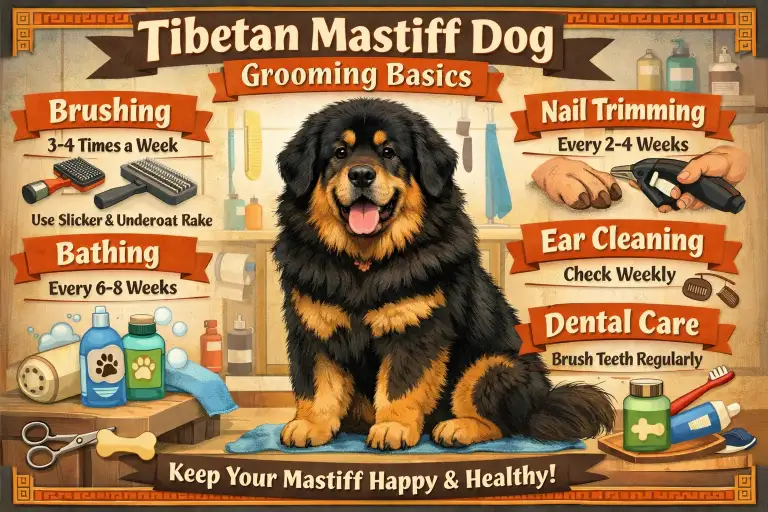
Tibetan Mastiff Coat, Shedding, and Grooming Needs
The Tibetan Mastiff’s coat is one of its most important survival features. It protects the dog from freezing temperatures, snow, and strong mountain winds. However, the same coat requires proper management, especially in warmer climates.
Most Tibetan Mastiffs shed moderately during normal periods but experience heavy seasonal shedding once or twice each year. During these coat-blowing periods, owners may notice large amounts of loose undercoat.
| Grooming Task | Recommended Frequency |
|---|---|
| Brushing | 1–2 times weekly |
| Heavy Shedding Period | Daily brushing recommended |
| Bathing | Every few months or when needed |
| Nail and Ear Care | Regular maintenance |
The Tibetan Mastiff is naturally better suited for cooler environments. Owners in hot and humid regions must provide shade, ventilation, and careful temperature management.
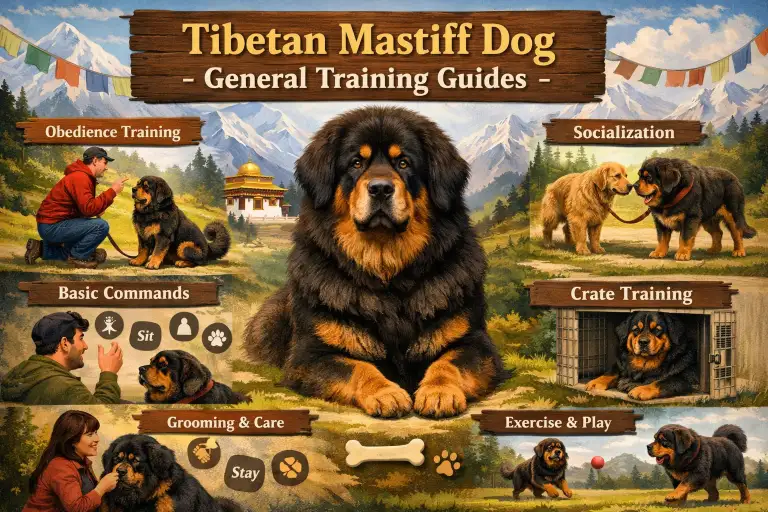
Tibetan Mastiff Training, Exercise, Socialization, and Daily Life
The Tibetan Mastiff is not a breed that responds like a typical obedience-focused dog. Its intelligence is high, but its motivation is different. This breed was developed to make decisions independently, so training should focus on trust, boundaries, and consistency rather than repetitive commands.
A Tibetan Mastiff owner must understand that cooperation is more effective than force. Harsh training methods can damage the relationship and increase resistance. Calm leadership, positive reinforcement, and early structure help create a stable adult dog.
Because Tibetan Mastiffs mature slowly, training should begin from puppyhood. Early exposure to different people, sounds, environments, and animals is extremely important. Without proper socialization, their natural guarding instincts can become excessive.
Tibetan Mastiff Training Challenges
The biggest training challenge with a Tibetan Mastiff is not intelligence. It is independence. The breed understands commands but may decide whether following them makes sense in a situation.
For example, a Tibetan Mastiff may ignore a recall command if it believes protecting its territory is more important. This is why secure fencing is strongly recommended and off-leash freedom should be approached carefully.
Frequently Asked Questions About Tibetan Mastiff
What is a Tibetan Mastiff?
The Tibetan Mastiff is an ancient giant guardian dog breed originally developed in the Himalayan regions of Tibet, Nepal, and northern India. It was bred to protect livestock, villages, and monasteries from predators and intruders. Unlike many companion breeds, the Tibetan Mastiff was created to work independently and make decisions without constant human direction.
Are Tibetan Mastiffs good family dogs?
Tibetan Mastiffs can be excellent family dogs for the right owners. They are deeply loyal, protective, and calm with their family members. However, they are not ideal for every household because of their large size, independent personality, and strong guarding instincts. Experienced owners who understand guardian breeds usually have the best results.
Are Tibetan Mastiffs aggressive?
Tibetan Mastiffs are not naturally aggressive, but they are naturally protective. Their guarding instincts can make them suspicious of strangers and highly aware of their surroundings. Proper socialization, training, and responsible management are important to ensure their protective behavior remains controlled.
How big does a Tibetan Mastiff get?
A full-grown Tibetan Mastiff can become a very large dog. Males typically reach around 26–30 inches in height and may weigh between 90 and 160+ pounds. Females are usually smaller, reaching around 24–28 inches and weighing approximately 70–120+ pounds.
How long do Tibetan Mastiffs live?
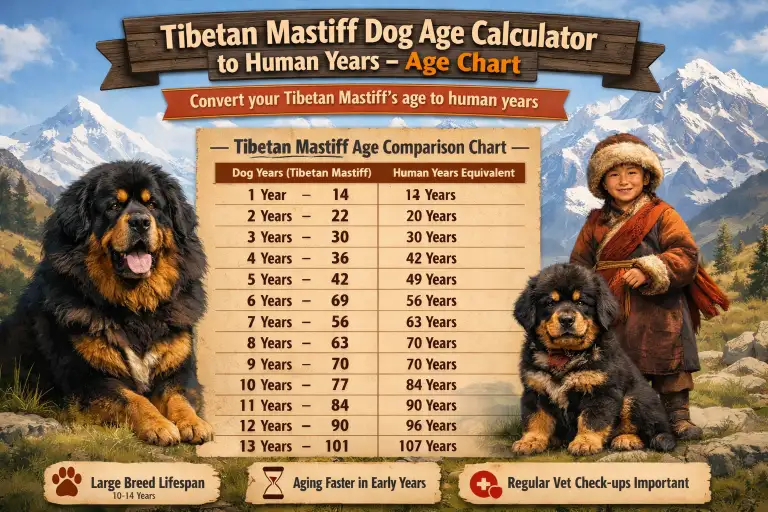
The average Tibetan Mastiff lifespan is around 10–12 years. Maintaining a healthy weight, providing proper nutrition, scheduling regular veterinary checkups, and purchasing from responsible breeders can help support a longer and healthier life.
Are Tibetan Mastiffs easy to train?
No, Tibetan Mastiffs are not considered easy-to-train dogs. They are highly intelligent but independent thinkers. They may understand a command but decide whether following it is necessary. Training works best with patience, consistency, positive reinforcement, and clear boundaries.
Do Tibetan Mastiffs bark a lot?
Yes, Tibetan Mastiffs are known for alert barking, especially during nighttime. This behavior comes from their history as nighttime livestock and property guardians. They were bred to detect unusual activity and warn their owners of possible threats.
Are Tibetan Mastiffs good with children?
Tibetan Mastiffs can be gentle and protective with children they know. However, due to their giant size and strength, interactions should always be supervised. They are best suited for families that teach children how to properly respect a large guardian dog.
Can Tibetan Mastiffs live with other dogs?
Some Tibetan Mastiffs can live successfully with other dogs, especially when raised together from a young age. However, they may be selective with unfamiliar dogs because of their territorial nature. Early socialization and careful introductions are important.
Do Tibetan Mastiffs shed a lot?
Tibetan Mastiffs shed moderately most of the year but experience heavy seasonal shedding periods called coat blows. During these periods, they lose large amounts of undercoat and require more frequent brushing.
Are Tibetan Mastiffs suitable for apartment living?
Most Tibetan Mastiffs are not a good match for apartment living. Their large size, territorial instincts, and tendency to bark make homes with secure outdoor space much more suitable.
How much exercise does a Tibetan Mastiff need?
Tibetan Mastiffs have moderate exercise needs. They usually do well with daily walks, outdoor time, and mental stimulation. They are not high-energy running dogs but need enough activity to stay healthy and mentally balanced.
How much does a Tibetan Mastiff cost?
The cost of a Tibetan Mastiff varies depending on breeder reputation, bloodline, location, and health testing. The total ownership cost is also high because of food, veterinary care, grooming, and large-breed equipment requirements.
Is a Tibetan Mastiff a good dog for first-time owners?
Generally, no. First-time dog owners may find the Tibetan Mastiff challenging because of its independence, size, territorial behavior, and need for experienced handling. The breed is better suited to owners familiar with large guardian breeds.
Do Tibetan Mastiffs handle hot weather well?
No. Tibetan Mastiffs were developed for cold Himalayan climates and their thick double coat protects them from freezing temperatures. In hot or humid areas, owners must provide shade, cooling, and careful temperature management.
What is the difference between a Tibetan Mastiff and other mastiff breeds?
The Tibetan Mastiff differs from many other mastiff breeds because it was primarily developed as an independent livestock guardian rather than a close human-directed working dog. Its strongest traits are territorial awareness, independence, and natural protection.
Are Tibetan Mastiffs rare?
Yes, Tibetan Mastiffs are considered a relatively rare breed compared with many popular large dog breeds. Responsible breeding is limited because producing healthy, well-socialized puppies requires significant knowledge and resources.
Is a Tibetan Mastiff a good guard dog?
Yes. The Tibetan Mastiff is one of the world’s most naturally protective guardian breeds. Its size, confidence, alertness, and territorial instincts make it an excellent property guardian when properly managed.

Ata Ur Rehman is the founder of Pet Age in Human Years Calculator, an educational platform that provides age conversion charts and lifespan guides for dogs, cats, birds, and other companion animals. His work focuses on helping pet owners understand how animal ages translate into human years using commonly accepted age conversion formulas and published lifespan averages.
The website compiles breed and species lifespan data from kennel clubs, breed organizations, and general animal lifespan studies to present simple and easy-to-understand guides for pet owners worldwide.
This website was created to centralize animal age conversion charts into one easy reference platform for pet owners.
This article is for general education. For symptoms, medication, diet changes, or health concerns, use a qualified veterinarian who can assess your individual pet.