On this page
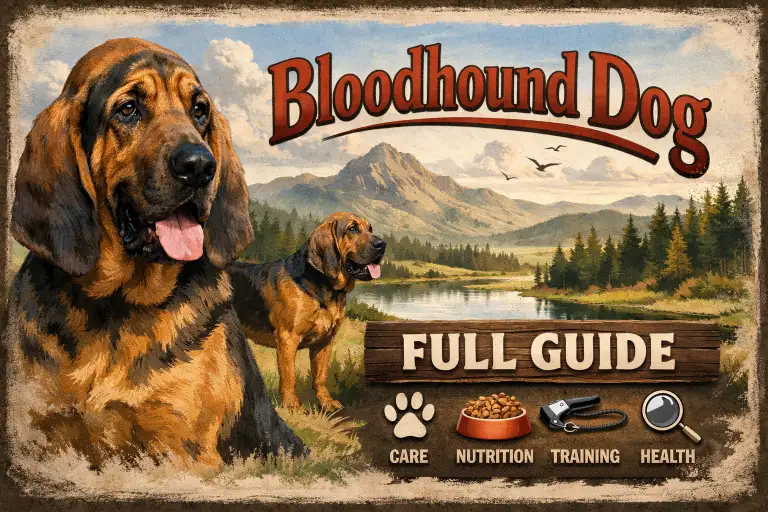
The Bloodhound is one of the world’s most recognizable scent hounds, famous for its extraordinary tracking ability, gentle temperament, and distinctive appearance. Developed in Europe centuries ago, Bloodhounds were originally bred to follow human and animal scent trails over long distances. Their exceptional sense of smell remains one of the most powerful in the canine world, making them valuable in search-and-rescue operations, law enforcement, and tracking work.
Everything about the Bloodhound’s appearance is designed to support scent detection. Their loose facial skin helps capture scent particles, while their long ears sweep odors toward the nose as they move. Combined with a large, powerful body built for endurance, these features make the Bloodhound one of the most effective tracking dogs ever developed.
Although they are large dogs, Bloodhounds are generally calm and steady in everyday life. Their impressive size and strength can surprise first-time owners, especially during walks when they decide to follow an interesting scent trail.
Bloodhound Size and Weight
| Sex | Height | Weight |
|---|---|---|
| Male | 25–27 inches | 90–110 lb |
| Female | 23–25 inches | 80–100 lb |
Because of their large size, Bloodhounds need enough room to move comfortably. While they can adapt to different living situations, they generally do best in homes with access to secure outdoor space where they can exercise and explore safely.
The Bloodhound has a short, dense coat that is relatively easy to maintain. However, the breed sheds moderately throughout the year and requires regular grooming to keep the coat healthy. Their loose skin, especially around the face and neck, contributes to their distinctive expression but also requires routine cleaning to prevent irritation.
Bloodhound Physical Traits
| Feature | What It Means for Owners |
|---|---|
| Coat Type | Short, dense, easy-to-maintain coat |
| Shedding | Moderate year-round shedding |
| Drooling | High, especially after eating or drinking |
| Ears | Very long and require regular cleaning |
| Skin Folds | Need routine inspection and cleaning |
| Body Type | Large, muscular, built for endurance |
The Bloodhound’s appearance is unique, but ownership comes with responsibilities. Regular ear cleaning, skin-fold maintenance, coat care, and drool management are all important parts of keeping this breed healthy and comfortable.
Bloodhound Temperament, Personality, and Behavior
The Bloodhound temperament is often described as gentle, affectionate, patient, and friendly. Despite their large size, Bloodhounds are generally not aggressive and are known for their calm nature around family members. They are often excellent companions for households looking for a loyal and easygoing dog.
One of the defining characteristics of the Bloodhound dog breed is its independence. Unlike breeds that constantly seek approval from their owners, Bloodhounds were developed to work independently while tracking scents. This means they can sometimes appear stubborn or selective when responding to commands.
Inside the home, Bloodhounds are usually relaxed and enjoy spending time near their family. They are affectionate without being overly demanding and often prefer staying close to their people throughout the day. However, they do not tolerate long periods of isolation well and may become vocal or destructive when bored.
Outdoors, their powerful scent drive takes over. Once a Bloodhound detects an interesting smell, it may become completely focused on following the trail. This behavior is natural and reflects the breed’s centuries-old purpose as a scent-tracking dog.
Bloodhound Temperament Overview
| Trait | What Owners Usually See |
|---|---|
| Friendliness | Very friendly with people |
| Independence | Strong independent thinking |
| Stubbornness | Common, especially outdoors |
| Sensitivity | Responds best to gentle training |
| Vocal Behavior | May howl or bay when bored |
| Energy Style | Calm indoors, active when tracking |
Many owners consider Bloodhounds good family dogs because of their patient and tolerant nature. They are generally good with children, although supervision is recommended due to their large size and strength. Accidental bumps and knockdowns can happen during play, especially with younger children.
With strangers, Bloodhounds are usually welcoming rather than protective. While they are excellent companions, they are not typically effective guard dogs because they tend to greet unfamiliar people instead of acting defensively.
Bloodhound Compatibility
| Situation | How Bloodhounds Usually Do |
|---|---|
| Families with children | Good with supervision |
| Other dogs | Usually friendly |
| Cats and small pets | May trigger prey or scent drive |
| First-time owners | Challenging but manageable |
| Being left alone | Not ideal |
| Off-leash freedom | Not recommended |
Because of their strong scent instincts, Bloodhounds should always be exercised in secure areas or on a leash. Once they begin following a scent trail, they may ignore commands and continue tracking for long distances.
To understand your dog's current life stage, use the Bloodhound Dog Age Calculator.
For deeper breed-specific guidance, see the Bloodhound Training Guide, Bloodhound Age Chart, Bloodhound Grooming Guide, Bloodhound Nutrition & Feeding Guide, and Bloodhound Cost of Ownership Guide.
Frequently Asked Questions About the Bloodhound Dog Breed
Are Bloodhounds good family dogs?
Yes, Bloodhounds are generally good family dogs. They are known for being gentle, patient, and affectionate with family members. Most Bloodhounds get along well with children, although supervision is recommended because their large size can accidentally knock over smaller kids during play.
Are Bloodhounds aggressive?
No, Bloodhounds are not typically aggressive dogs. They are usually friendly toward people and strangers. While they can be protective of their family, they are better known for their calm and social nature than for guarding behavior.
How long do Bloodhounds live?
The average Bloodhound lifespan is around 10 to 12 years. Proper nutrition, regular exercise, routine veterinary care, and maintaining a healthy weight can help support a longer and healthier life.
Do Bloodhounds shed a lot?
Bloodhounds have a short, dense coat that sheds moderately throughout the year. Weekly brushing can help remove loose hair and keep the coat healthy. Seasonal shedding may increase slightly during certain times of the year.
Are Bloodhounds easy to train?
Bloodhounds are intelligent dogs, but they can be challenging to train because of their independent nature. They were bred to follow scent trails without constant direction from handlers. Positive reinforcement, patience, and consistency are usually the most effective training methods.
Do Bloodhounds bark a lot?
Bloodhounds are more likely to bay or howl than bark excessively. They may become vocal when bored, lonely, or excited by a scent. Regular exercise and mental stimulation can help reduce unwanted vocalization.
Can Bloodhounds live in apartments?
Bloodhounds can adapt to apartment living, but it is not ideal. Their large size, exercise needs, and strong scent-tracking instincts make homes with secure outdoor space a better fit. Daily walks and mental enrichment are essential regardless of living environment.
What health problems are common in Bloodhounds?
Some common Bloodhound health concerns include ear infections, hip and joint problems, bloat (gastric dilatation-volvulus), skin-fold irritation, and certain eye conditions. Regular veterinary checkups and preventive care can help detect issues early.
Final Thoughts: Is the Bloodhound the Right Dog for You?
The Bloodhound is a unique dog breed that combines a gentle personality with one of the most powerful noses in the animal world. Their friendly temperament, loyalty, and remarkable tracking ability make them excellent companions for the right owner.
However, Bloodhounds are not the best choice for everyone. Their large size, strong scent drive, stubborn streak, and grooming requirements require patience and commitment. They thrive in homes that can provide regular exercise, mental stimulation, and secure outdoor space.
For owners who appreciate an independent, affectionate, and highly capable scent hound, the Bloodhound can be a rewarding companion for many years. Understanding the breed’s temperament, exercise needs, health considerations, and daily care requirements will help you decide whether a Bloodhound is the right fit for your lifestyle and family.

Ata Ur Rehman is the founder of Pet Age in Human Years Calculator, an educational platform that provides age conversion charts and lifespan guides for dogs, cats, birds, and other companion animals. His work focuses on helping pet owners understand how animal ages translate into human years using commonly accepted age conversion formulas and published lifespan averages.
The website compiles breed and species lifespan data from kennel clubs, breed organizations, and general animal lifespan studies to present simple and easy-to-understand guides for pet owners worldwide.
This website was created to centralize animal age conversion charts into one easy reference platform for pet owners.
This article is for general education. For symptoms, medication, diet changes, or health concerns, use a qualified veterinarian who can assess your individual pet.