On this page
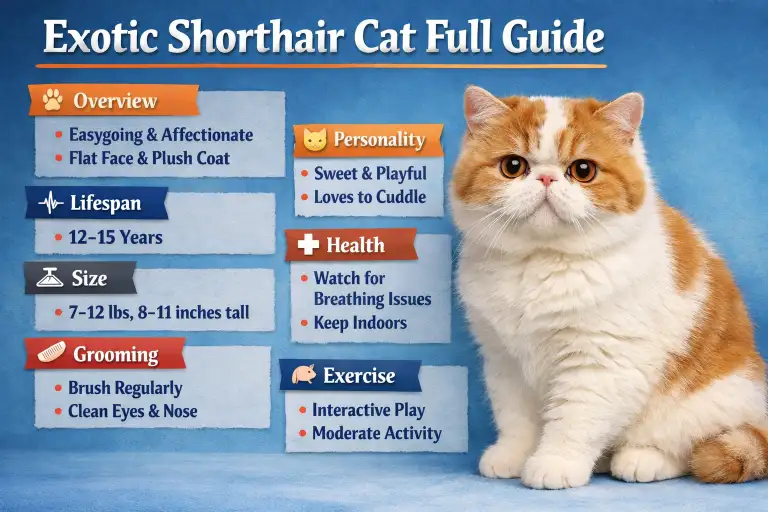
Exotic Shorthair kittens are known for their soft, plush coats and round, flat faces. They are very gentle and friendly, making them a perfect companion for families and first-time cat owners. These kittens are calm and usually enjoy being around people, but they still need time, attention, and proper care to grow up healthy. Understanding their unique needs will help you give your kitten a happy and safe start in life.
From the moment you bring your Exotic Shorthair home, creating a safe and cozy space is very important. Kittens need a warm bed, a quiet corner, and some toys to explore. They also need safe places to hide and rest when they feel shy or tired. Preparing your home ahead of time will make the transition easier for both you and your kitten.
Exotic Shorthair kittens grow quickly in the first few months. They will learn new behaviors, play actively, and start exploring their environment. Observing your kitten closely helps you understand their personality and what makes them happy. Remember, they are small and fragile, so gentle handling is key during this stage.
These kittens are also very social. They benefit from early interaction with people and, if possible, other pets. Spending short play sessions, talking softly, and offering treats can help your kitten feel safe and loved. Socialization during the first months will make them confident and friendly as adults.
Feeding & Nutrition for Exotic Shorthair Kittens
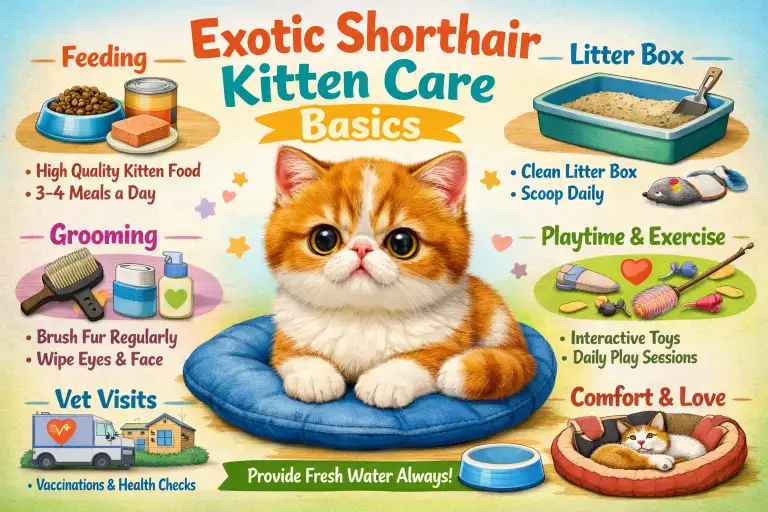
Feeding your Exotic Shorthair kitten correctly is one of the most important steps in keeping them healthy. Kittens need food that is high in protein and specially formulated for growth. Wet food, dry food, or a combination of both can be used, but make sure it is labeled for kittens. Feeding the right food will help your kitten grow strong bones, healthy muscles, and a shiny coat.
Kittens eat more often than adult cats. In the first two months, they may need to eat four to six small meals a day. As they grow, you can reduce the number of meals to three per day, and eventually two meals after six months. Always make sure they have fresh water available at all times.
Flat-faced kittens like Exotic Shorthairs may have special needs when eating. Shallow bowls or dishes with low sides are easier for them to use. Some kittens also benefit from soft, moistened food if they have trouble chewing dry kibble. Watching how your kitten eats will help you adjust the feeding style to make it easier for them.
It is also important to avoid overfeeding. Excess weight can cause health problems later in life. Stick to the recommended portions and use the feeding schedule below to guide you:
Feeding Schedule for Exotic Shorthair Kittens
| Age (Weeks) | Meals per Day | Food Type | Portion Tips |
|---|---|---|---|
| 4–8 | 4–6 | Wet or softened dry | Small spoonfuls, frequent meals |
| 8–12 | 3–4 | Wet + dry kitten food | Slightly larger portions, monitor appetite |
| 3–6 Months | 3 | Wet + dry kitten food | Balanced portions, adjust if gaining too much weight |
| 6–12 Months | 2 | Dry or wet kitten food | Transition to adult portions slowly |
Grooming, Litter Training & Daily Care
Exotic Shorthair kittens have soft, thick fur that needs gentle brushing a few times a week. Regular brushing prevents mats and reduces shedding around the house. Their round eyes may produce more tears than other breeds, so wiping them gently with a damp cloth every day keeps them clean. Nail trimming once a week and occasional ear checks help prevent minor problems before they start.
Litter training is usually easy for kittens. Place a clean, shallow litter box in a quiet area and show your kitten where it is. After meals or naps, gently place your kitten in the box. Most kittens learn quickly, but patience and consistency are key. Keep the litter box clean, as kittens prefer tidy spaces.
Daily routines help your kitten feel secure. Short play sessions, gentle petting, and feeding at regular times make them comfortable and confident. Toys, scratching posts, and soft bedding provide physical exercise and mental stimulation. Kittens also need quiet times to rest and sleep, as growing kittens can sleep up to 18 hours a day.
Here’s a simple Grooming & Care Checklist to keep track:
| Task | Frequency | Notes |
|---|---|---|
| Brushing fur | 2–3 times/week | Use soft brush |
| Eye cleaning | Daily | Damp cloth, gentle |
| Nail trimming | Weekly | Use kitten nail clippers |
| Ear check | Weekly | Look for debris or redness |
| Litter box cleaning | Daily | Scoop and refresh litter |
Health Essentials & Vet Overview
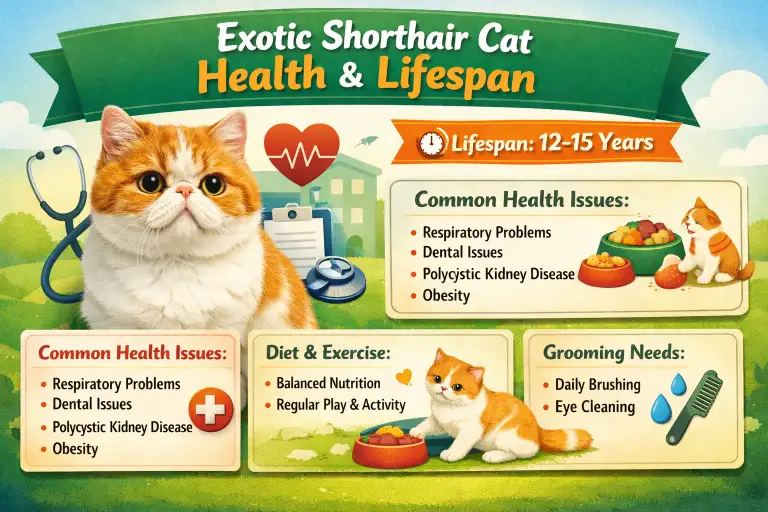
Regular health care keeps your Exotic Shorthair kitten strong and happy. Schedule a vet visit shortly after bringing your kitten home to check overall health. The vet will examine your kitten’s eyes, teeth, coat, and weight. They will also explain vaccinations, parasite prevention, and nutrition tips.
Exotic Shorthairs may have special concerns due to their flat faces. Breathing may be a bit noisier, and tear staining around the eyes is common. These are usually normal for the breed, but regular vet checkups will help monitor your kitten’s health.
It’s important to watch for subtle changes in behavior. A healthy kitten should be active, eat regularly, play, and use the litter box consistently. If you notice signs of lethargy, poor appetite, or unusual behavior, contact your vet.
Here’s a Health Monitoring Table to help beginners track their kitten’s well-being:
| Health Aspect | Normal Signs | Notes |
|---|---|---|
| Appetite | Eats regularly | Small changes are normal |
| Activity Level | Playful and curious | Short naps are okay |
| Eyes | Clear, small tears possible | Wipe daily |
| Coat | Shiny, soft | Brush 2–3 times/week |
| Litter Habits | Regular, firm stools | Monitor for changes |
Socialization, Behavior & Safety
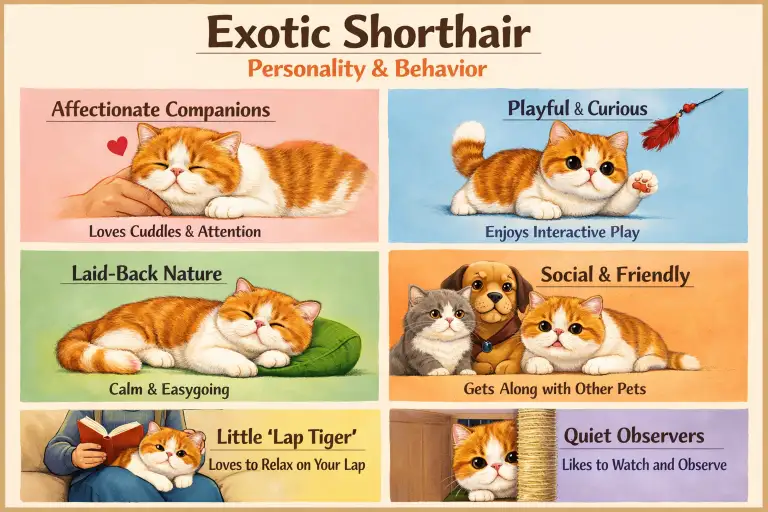
Exotic Shorthair kittens are gentle and love attention, but they also need safe and structured interaction. Play with them gently, handle them often, and encourage positive experiences with people and other pets. This early socialization builds confidence and reduces fear as they grow.
Kittens naturally explore and sometimes scratch or bite during play. Using toys instead of hands for play helps teach boundaries. Gentle redirection and praise for calm behavior guide your kitten without fear.
Kitten-proofing your home keeps them safe. Remove small objects they could swallow, cover cords, and secure windows. Ensure that cleaning chemicals, plants, and foods that are harmful to cats are out of reach. Providing climbing structures, scratching posts, and quiet resting areas satisfies their natural curiosity safely.
Daily structured routines, safe play, and gentle handling create a secure environment for your Exotic Shorthair kitten. They thrive on love, consistency, and attention.
For further tips on Exotic Shorthair care, you can visit PetMD Exotic Shorthair Cat Breed Guide.

Ata Ur Rehman is the founder of Pet Age in Human Years Calculator, an educational platform that provides age conversion charts and lifespan guides for dogs, cats, birds, and other companion animals. His work focuses on helping pet owners understand how animal ages translate into human years using commonly accepted age conversion formulas and published lifespan averages.
The website compiles breed and species lifespan data from kennel clubs, breed organizations, and general animal lifespan studies to present simple and easy-to-understand guides for pet owners worldwide.
This website was created to centralize animal age conversion charts into one easy reference platform for pet owners.
This article is for general education. For symptoms, medication, diet changes, or health concerns, use a qualified veterinarian who can assess your individual pet.