On this page
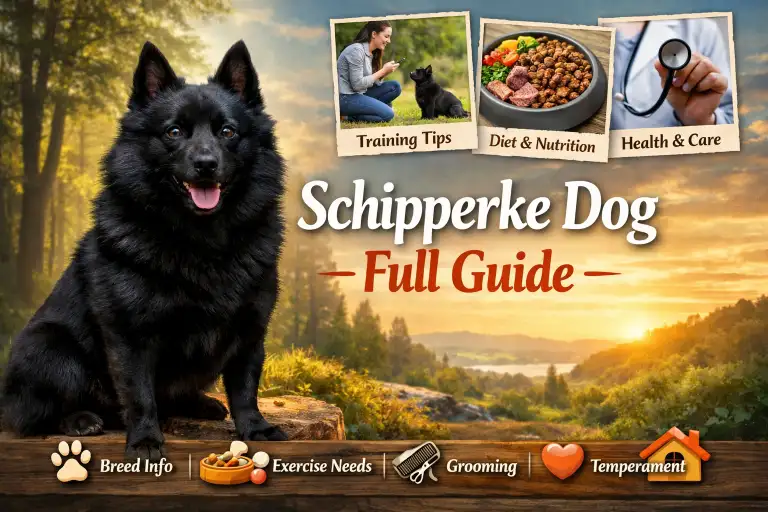
The Schipperke dog breed is a small Belgian dog with a bold personality, sharp intelligence, and strong watchdog instincts. Although Schipperkes look compact and fox-like, they are not quiet lap dogs. They are alert, energetic, independent, and often behave like a much larger working dog in a small body.
Originally developed in Belgium as a barge dog, ratter, and watchdog, the Schipperke was bred to stay alert, guard property, and control vermin. That background still shapes the breed today. Modern Schipperkes are naturally observant, quick to react, and often suspicious of unfamiliar people, sounds, or movement.
This guide explains the most important things to know before owning a Schipperke, including Schipperke temperament, personality, lifespan, size, care needs, health concerns, pros and cons, and daily ownership challenges. It is designed to help you understand whether this breed fits your home, lifestyle, and experience level.
Despite their small size, Schipperkes are not low-energy dogs. They are sturdy, athletic, mentally sharp, and easily bored without enough activity. Many first-time owners underestimate how much exercise, training, and mental stimulation this breed needs. A bored Schipperke may become noisy, destructive, possessive, or overly controlling around the home.
What makes the Schipperke different from many small dog breeds is its mix of intelligence, independence, loyalty, and alertness. Schipperkes learn quickly, but they also like to make decisions for themselves. This can make them entertaining and trainable, but also stubborn if boundaries are unclear.
The Schipperke is best suited for owners who want an active, loyal, highly aware companion and are willing to provide structure, exercise, training, and daily engagement. For the right owner, this breed is funny, devoted, expressive, and full of character. For the wrong owner, the same traits can feel overwhelming.
Schipperke Quick Facts
| Trait | Details |
|---|---|
| Breed name | Schipperke |
| Breed origin | Belgium |
| Original purpose | Barge dog, ratter, watchdog |
| Breed size | Small |
| Average height | 10–13 inches |
| Average weight | 10–16 pounds |
| Average lifespan | 13–15 years |
| Temperament | Alert, curious, loyal, independent, energetic |
| Energy level | High |
| Trainability | Moderate to high, but independent |
| Barking tendency | High |
| Shedding level | Moderate to heavy, especially seasonally |
| Best suited for | Active owners who can provide structure and stimulation |
This quick overview shows why the Schipperke is often described as a small dog with a large working-dog mindset. The breed can be a loyal family companion, but it needs more exercise, training, and mental activity than many people expect from a dog of this size.
If you want to understand how a Schipperke’s age compares with human years, use the Schipperke Dog Age Calculator to estimate your dog’s age stage and plan care around puppy, adult, and senior needs.
Schipperke Size, Appearance & Physical Traits
The Schipperke is a small but sturdy dog breed. Most Schipperkes weigh between 10 and 16 pounds and stand around 10 to 13 inches tall. They may be small enough for apartments or smaller homes, but they are not delicate or inactive. Their compact body, quick movement, and athletic build reflect their working background.
Schipperkes have a distinctive fox-like appearance with pointed ears, bright eyes, and a thick double coat. Their body is compact and slightly square, giving them a strong, agile look. One of the breed’s most recognizable features is the thick coat around the neck and shoulders, often described as a ruff, cape, or mane-like outline.
Black is the most recognized Schipperke coat color, although some dogs may appear in other shades depending on breeding lines and regional standards. Their coat does not usually require professional grooming, but it does need regular brushing, especially during seasonal shedding periods.
Schipperkes often look alert even when resting. Their expression is sharp, curious, and watchful. This appearance matches their personality because the breed is naturally observant and quick to notice changes in its environment.
Schipperke Size & Appearance Chart
| Feature | Male Schipperke | Female Schipperke | Owner Notes |
|---|---|---|---|
| Height | 11–13 inches | 10–12 inches | Measured at the shoulder |
| Weight | 12–16 pounds | 10–14 pounds | Small but strong and athletic |
| Body type | Compact and sturdy | Compact and sturdy | Built for movement, not fragility |
| Coat type | Thick double coat | Thick double coat | Needs brushing during shedding seasons |
| Common color | Black | Black | Most recognized Schipperke color |
| Shedding | Moderate to heavy | Moderate to heavy | Seasonal coat blowouts are common |
| Distinctive features | Ruff, cape, fox-like face | Ruff, cape, fox-like face | Alert expression and confident movement |
Overall, the Schipperke’s size makes it easy to manage physically, but its energy and confidence make it feel much bigger in daily life. Owners should not choose this breed only because it is small; they should choose it because they are ready for an active, intelligent, watchful companion.
Schipperke Temperament, Personality & Real-Life Behavior
The Schipperke temperament is alert, curious, bold, loyal, and independent. This breed is often described as fearless because Schipperkes are quick to investigate new sounds, people, animals, or movement. They are naturally watchful and often act as small home guardians.
Schipperkes are very intelligent dogs. They learn routines quickly, notice patterns, and often figure out how to get what they want. This intelligence is one of the breed’s strengths, but it can also become a problem if the dog is bored or allowed to make too many household decisions.
The Schipperke personality is playful, mischievous, confident, and sometimes stubborn. These dogs often enjoy being involved in everything their owner does. Many Schipperkes follow their people around the house, watch every activity, and react quickly when something changes.
With family members, Schipperkes are usually affectionate and loyal. They often bond strongly with their household and enjoy attention, games, and interaction. However, they may be cautious or suspicious around strangers, especially if they are not socialized early.
Around children, Schipperkes can do well when children are calm, gentle, and respectful. Because the breed is small and alert, rough handling may cause stress or defensive behavior. Schipperkes are usually better suited to homes with older children who understand how to interact with dogs properly.
With other pets, early socialization matters. Schipperkes may chase smaller animals because of their ratter background and prey drive. They can live with other dogs or cats in some homes, but introductions should be controlled and supervised.
Schipperke Temperament Traits
| Trait | Level | What It Means for Owners |
|---|---|---|
| Intelligence | Very high | Learns quickly and needs mental challenges |
| Energy | High | Needs daily walks, play, and activity |
| Loyalty | Very high | Forms a strong bond with family |
| Alertness | Very high | Notices strangers, sounds, and movement quickly |
| Independence | Medium to high | May test rules and make its own decisions |
| Barking | High | Likely to alert bark without training |
| Prey drive | Medium to high | May chase small animals if not socialized |
| Child suitability | Medium | Best with gentle, older children |
| First-time owner suitability | Medium to low | Possible, but only with preparation and consistency |
Schipperkes are not the best fit for owners who want a quiet, low-maintenance lap dog. They are better for people who enjoy training, structure, activity, and a dog with strong opinions. When trained well, they can be loyal, entertaining, and deeply rewarding companions.
Schipperke Lifespan, Age & Long-Term Health
The average Schipperke lifespan is usually around 13 to 15 years. Some Schipperkes may live longer with good genetics, healthy weight management, regular vet care, proper exercise, and early attention to breed-specific health risks.
Because Schipperkes are long-lived dogs, owners should think about care in life stages. A young Schipperke may need more training, socialization, and energy outlets. An adult Schipperke needs steady exercise and mental work. A senior Schipperke may need adjusted activity, joint support, dental care, and more frequent health checks.
To better understand your dog’s current life stage, visit the Schipperke Dog Age Calculator. This calculator helps estimate your Schipperke’s age in human years and supports better planning for exercise, feeding, vet visits, and senior care.
Schipperke Age & Care Stages
| Life Stage | Typical Focus | Owner Priority |
|---|---|---|
| Puppy | Growth, socialization, basic manners | Build routines, confidence, and early training |
| Young adult | High energy, testing boundaries | Exercise, mental games, consistent rules |
| Adult | Stable personality and working instincts | Maintain fitness, training, and weight control |
| Senior | Joint comfort, dental health, energy changes | Adjust exercise and schedule regular vet checks |
This age-focused care approach is important because a Schipperke’s needs change over time. The same dog that needs intense activity as a young adult may need lower-impact exercise and closer health monitoring in the senior years.
Schipperke Care Needs: Exercise, Training, Grooming & Health
Schipperkes have higher care needs than many people expect from a small dog. They need daily exercise, mental stimulation, training, grooming, and health monitoring. They are not usually difficult because of size; they are challenging because of energy, intelligence, and independence.
Exercise should include more than a short bathroom walk. A Schipperke benefits from daily walks, active play, training games, scent work, fetch, puzzle toys, or supervised yard time. Without enough activity, the breed may bark more, dig, chew, pace, or create its own entertainment.
Training should start early and stay consistent. Schipperkes respond best to positive reinforcement, short sessions, clear rules, and rewards that keep them interested. Harsh handling is not useful because this breed can become defensive, avoidant, or more stubborn when pressured.
Grooming is moderate. The Schipperke’s double coat needs brushing several times per week during normal periods and more often during seasonal shedding. Nails, ears, and teeth should also be checked regularly. Dental care is especially important for small breeds because plaque and gum issues can develop over time.
Schipperkes are generally sturdy dogs, but owners should be aware of breed-related health concerns. These may include MPS IIIB, epilepsy, patellar luxation, dental problems, and age-related joint stiffness. Regular veterinary care and responsible breeding history are important when choosing and caring for this breed.
Schipperke Care Needs
| Care Category | Level | Owner Action |
|---|---|---|
| Exercise | High | Provide daily walks, play, and active engagement |
| Mental stimulation | High | Use puzzle toys, training games, and problem-solving tasks |
| Training | Medium to high | Use positive reinforcement and consistent rules |
| Grooming | Medium | Brush regularly and increase brushing during shedding seasons |
| Shedding | Moderate to high | Expect seasonal coat blowouts |
| Health monitoring | Medium | Watch for genetic, joint, dental, and neurological concerns |
| Lifespan care | Long-term | Plan for 13–15 years of care and age-stage adjustments |
A Schipperke does best with an owner who treats care as a daily routine, not an occasional task. Exercise, boundaries, grooming, and mental work all help prevent the behavior problems that often appear when this breed is under-stimulated.
Is the Schipperke Right for You? Pros, Cons, Costs & Alternatives
The Schipperke can be a wonderful companion, but it is not the right dog for every household. This breed is best for people who want a small dog with energy, confidence, loyalty, and strong awareness. It is not ideal for owners who want a calm, quiet, low-effort pet.
Schipperkes are usually best for active owners who can provide daily exercise, training, and structure. They may work well in apartments or smaller homes, but only if their physical and mental needs are met. Without enough stimulation, apartment living can make barking and restlessness worse.
These dogs are loyal and affectionate with their families, but they may be cautious around strangers. Their watchdog instinct is useful for alerting, but it must be managed so barking does not become excessive. Early socialization is important for helping a Schipperke become more confident and less reactive.
Costs can vary depending on breeder reputation, location, health testing, supplies, food, grooming tools, veterinary care, and insurance. Many Schipperke puppies may cost around $1,000 to $2,000, but total ownership cost is much higher over the dog’s lifetime because this breed can live into its teens.
Schipperke Pros & Cons
| Pros | Cons |
|---|---|
| Small and portable | Can bark frequently |
| Very intelligent | Can be independent and stubborn |
| Loyal and affectionate with family | Needs daily exercise and mental stimulation |
| Excellent watchdog instincts | May be suspicious of strangers |
| Long average lifespan | Can chase small pets without socialization |
| Playful and entertaining personality | Not ideal for owners wanting a quiet lap dog |
Schipperke vs Similar Small Breeds
| Breed | Size | Energy | Barking | Trainability | Best For |
|---|---|---|---|---|---|
| Schipperke | Small | High | High | Medium to high | Active owners who want a bold watchdog companion |
| Pomeranian | Small | Medium | High | Medium | Owners who want a playful companion dog |
| Miniature Pinscher | Small | High | Medium to high | Medium | Owners who want a confident, active small dog |
| Finnish Spitz | Small to medium | Medium to high | High | Medium | Families with space and tolerance for vocal behavior |
Overall, the Schipperke is a strong choice for owners who want a small but active dog with intelligence, loyalty, and watchdog instincts. It is a weaker choice for owners who want a quiet, easygoing, low-maintenance breed. Before deciding, consider your schedule, activity level, training patience, and ability to manage barking and mental stimulation.
Schipperke Dog Breed FAQs
These common questions help explain the Schipperke dog breed in more detail, especially for owners comparing temperament, lifespan, size, behavior, and daily care needs.
What is the attitude of a Schipperke?
The Schipperke attitude is bold, alert, curious, and confident. This breed is small in size but often acts like a much larger watchdog. Schipperkes are quick to notice sounds, movement, strangers, and changes in their environment. They are loyal with family but can be suspicious of unfamiliar people if not socialized early.
What are the pros and cons of owning a Schipperke?
The main pros of owning a Schipperke are intelligence, loyalty, small size, watchdog ability, and a long average lifespan. The main cons are frequent barking, high energy, stubborn behavior, prey drive, and the need for daily mental stimulation. This breed is rewarding for active owners but can be difficult for people who want a quiet, low-effort dog.
Are Schipperkes stubborn?
Yes, Schipperkes can be stubborn because they are intelligent and independent. They often understand commands but may choose whether they want to follow them. Training works best when sessions are short, consistent, reward-based, and mentally engaging. Clear rules are important because Schipperkes may test boundaries if owners are inconsistent.
What are common health problems in Schipperkes?
Common Schipperke health concerns may include MPS IIIB, epilepsy, patellar luxation, dental problems, and age-related joint stiffness. Not every Schipperke will develop these issues, but responsible breeding, regular vet visits, healthy weight management, dental care, and early monitoring can help support long-term health.
How long do Schipperkes live?
The average Schipperke lifespan is usually around 13 to 15 years. Some may live longer with good genetics, proper diet, regular exercise, weight control, dental care, and routine veterinary checkups. Because Schipperkes can live into their senior years, owners should plan for changing care needs as the dog ages.
How big does a Schipperke get?
A Schipperke is a small dog breed. Most adults weigh about 10 to 16 pounds and stand around 10 to 13 inches tall. Even though the breed is small, Schipperkes are sturdy, athletic, and energetic. Their small size does not mean they are low-maintenance or low-energy.
What colors do Schipperkes come in?
Black is the most recognized Schipperke color and is the color most people associate with the breed. Some Schipperkes may appear in other shades depending on breeding lines and regional standards, but black remains the classic and most common appearance for the breed.
Is a Schipperke a good dog for first-time owners?
A Schipperke can work for a prepared first-time owner, but it is not one of the easiest beginner breeds. The breed needs structure, exercise, training, socialization, and mental stimulation. First-time owners should be ready for barking, independence, and high energy before choosing a Schipperke puppy or adult dog.

Ata Ur Rehman is the founder of Pet Age in Human Years Calculator, an educational platform that provides age conversion charts and lifespan guides for dogs, cats, birds, and other companion animals. His work focuses on helping pet owners understand how animal ages translate into human years using commonly accepted age conversion formulas and published lifespan averages.
The website compiles breed and species lifespan data from kennel clubs, breed organizations, and general animal lifespan studies to present simple and easy-to-understand guides for pet owners worldwide.
This website was created to centralize animal age conversion charts into one easy reference platform for pet owners.
This article is for general education. For symptoms, medication, diet changes, or health concerns, use a qualified veterinarian who can assess your individual pet.