On this page
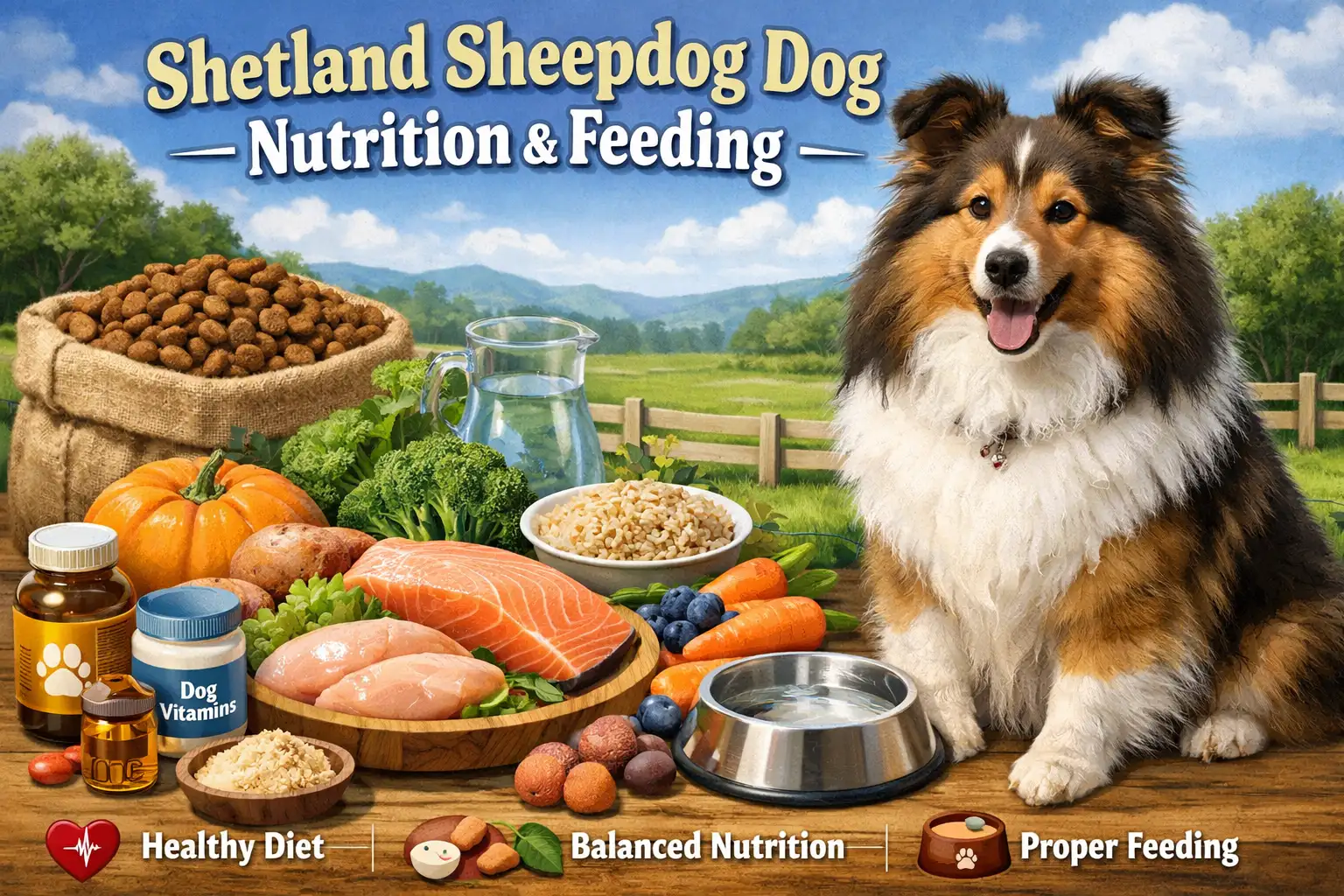
Choosing the best food for Shetland Sheepdogs is one of the most important parts of keeping your Sheltie healthy, active, and at a proper weight. Shelties are intelligent, energetic dogs with a thick double coat, a sensitive digestive system in some cases, and a strong need for balanced nutrition. The right Sheltie diet should support steady energy, lean muscle, healthy skin, a shiny coat, and long-term weight control.
This Shetland Sheepdog feeding guide explains what to feed a Sheltie, how much to feed a Sheltie, how often meals should be served, and what type of dog food is best for puppies, adults, seniors, picky eaters, overweight Shelties, and dogs with food sensitivities. Use the feeding charts below as a practical starting point, then adjust portions based on your dog’s age, weight, activity level, body condition, and veterinary advice.
Quick Answer: What Is the Best Food for a Shetland Sheepdog?
The best food for a Shetland Sheepdog is a complete and balanced dog food made with high-quality animal protein, moderate fat, digestible carbohydrates, omega fatty acids, and controlled calories. Most adult Shelties do well on a small-to-medium breed formula served in measured meals twice per day. Puppies need a puppy formula with more calories for growth, while seniors and overweight Shelties usually need fewer calories with enough protein to maintain lean muscle.
For most Shelties, start with a food that lists real meat such as chicken, turkey, lamb, beef, salmon, or whitefish as the first ingredient. Then adjust the portion based on your dog’s age, weight, activity level, and body condition.
If you also want to understand your Sheltie’s age stage before adjusting food portions, use the Shetland Sheepdog Age Calculator to compare your dog’s age in human years and choose the right life-stage feeding approach.
Best Food for Shetland Sheepdogs: What to Look For
The best dog food for Shelties should be complete, balanced, easy to digest, and matched to your dog’s life stage. A healthy Shetland Sheepdog food should include quality animal protein, moderate fat, digestible carbohydrates, omega fatty acids, vitamins, minerals, and controlled calories to support activity without causing unnecessary weight gain.
For most Shelties, the best food choice is a high-quality small-to-medium breed formula with a named animal protein as the first ingredient. Active Shelties may need slightly more calories and protein, while senior or overweight Shelties usually need fewer calories with enough protein to maintain lean muscle.
When comparing Sheltie dog food options, focus less on marketing claims and more on whether the food fits your dog’s age, weight, digestion, coat condition, and activity level. A food that works well for a young agility Sheltie may be too calorie-dense for a senior or less active Sheltie.
| Food Quality Factor | What to Choose | Why It Matters for Shelties |
|---|---|---|
| Protein source | Named meat or fish as the first ingredient | Supports lean muscle and daily energy |
| Fat level | Moderate fat, not overly rich | Supports coat health without excess weight gain |
| Carbohydrates | Digestible sources such as rice, oats, barley, pumpkin, or sweet potato | Helps energy and digestion |
| Life stage | Puppy, adult, senior, or all-life-stage formula | Prevents underfeeding or overfeeding key nutrients |
| Calories | Appropriate calories per cup | Helps prevent overweight Shelties |
| Sensitivity support | Limited-ingredient or simple formulas if needed | Useful for Shelties with food sensitivities or stomach issues |
Core Nutritional Needs for Shelties
Shetland Sheepdogs need a balanced mix of protein, fat, carbohydrates, vitamins, and minerals. Their food should support daily energy, coat health, digestion, immune function, and healthy weight. Because Shelties can gain weight if overfed, portion control matters just as much as food quality.
Protein
Protein helps maintain lean muscle, supports growth in puppies, and keeps adult and senior Shelties strong. Good protein sources include chicken, turkey, lamb, beef, salmon, whitefish, eggs, and other named animal proteins. For a Sheltie with food allergies, a limited-ingredient or novel-protein diet may be easier to tolerate.
Fat
Fat provides concentrated energy and helps support skin and coat health. Shelties benefit from healthy fats such as fish oil, chicken fat, flaxseed, and salmon oil. However, too much fat can lead to weight gain, especially in less active or senior dogs.
Carbohydrates
Digestible carbohydrates provide energy and fiber. Good carbohydrate sources for Shelties include rice, oats, barley, sweet potatoes, pumpkin, and peas. If your Sheltie has a sensitive stomach, choose simple, easy-to-digest ingredients and avoid sudden food changes.
Recommended Macronutrient Breakdown for Shelties
| Life Stage | Protein | Fat | Carbohydrates | Best For |
|---|---|---|---|---|
| Puppy | 25–30% | 12–18% | 40–50% | Growth, muscle, energy |
| Adult | 22–28% | 10–15% | 45–50% | Maintenance, coat, activity |
| Senior | 20–25% | 8–12% | 45–50% | Weight control, digestion, muscle support |
Vitamins and Minerals Shelties Need
Vitamins and minerals help support your Sheltie’s bones, immune system, skin, coat, heart, and energy levels. A complete and balanced dog food should already include the right amounts, so supplements should only be added when recommended by a vet.
| Nutrient | Why It Matters | Common Food Sources |
|---|---|---|
| Calcium & Phosphorus | Supports bones and teeth | Meat, eggs, dairy ingredients, balanced dog food |
| Omega-3 Fatty Acids | Supports coat, skin, brain, and heart health | Fish oil, salmon, flaxseed |
| Vitamin E | Supports skin, coat, and immune health | Vegetable oils, leafy greens, balanced formulas |
| Zinc | Supports skin repair and immune function | Meat, eggs, whole grains |
| Iron | Supports red blood cells and energy | Meat, liver, eggs, leafy greens |
How Much to Feed a Sheltie
How much to feed a Sheltie depends on weight, age, activity level, metabolism, and body condition. Most adult Shelties need measured meals twice per day. Puppies need smaller, more frequent meals, while seniors may need fewer calories to avoid weight gain.
The chart below gives a practical starting point for Sheltie feeding amounts. Always check your dog food label because calories per cup vary by brand.
Shetland Sheepdog Feeding Chart by Weight and Life Stage
| Sheltie Weight | Puppy Calories/Day | Adult Calories/Day | Senior Calories/Day | Approx. Cups/Day* |
|---|---|---|---|---|
| 10–15 lbs | 300–450 | 250–350 | 200–300 | ¾–1 cup |
| 16–25 lbs | 450–650 | 350–500 | 300–425 | 1–1½ cups |
| 26–35 lbs | 650–800 | 500–650 | 425–550 | 1½–2 cups |
| 36–40 lbs | 750–900 | 600–700 | 500–600 | 2–2¼ cups |
*Cup estimates are based on average dry dog food. If your food is calorie-dense, your Sheltie may need less. If your dog is highly active, they may need more.
How Often Should You Feed a Sheltie?
Shelties usually do best with consistent meal times. Free-feeding is not ideal for this breed because it can lead to overeating and weight gain. Measured meals make it easier to track appetite, digestion, and body condition.
- Sheltie puppies up to 6 months: 3–4 small meals per day
- Sheltie puppies 6–12 months: 2–3 meals per day
- Adult Shelties: 2 meals per day
- Senior Shelties: 2 smaller meals per day, adjusted for weight and activity
Sheltie Puppy Feeding Guide
A Sheltie puppy needs more calories per pound than an adult because they are growing quickly. Choose a puppy formula made for small or medium breeds, and avoid adult maintenance food until your puppy is mature enough to transition. Puppy food should support bone growth, muscle development, brain health, and steady energy.
Do not overfeed a Sheltie puppy to make them grow faster. Fast weight gain can place unnecessary stress on developing joints. Use measured meals, monitor body condition, and adjust portions gradually.
| Puppy Age | Meals Per Day | Feeding Focus |
|---|---|---|
| 8–12 weeks | 4 meals | Small meals, easy digestion, puppy formula |
| 3–6 months | 3 meals | Growth support, consistent calories |
| 6–12 months | 2–3 meals | Controlled growth, transition planning |
| 12+ months | 2 meals | Gradual transition to adult food |
Adult Sheltie Feeding Guide
Adult Shelties need a balanced maintenance diet that supports energy without adding excess weight. A typical adult Sheltie should eat two measured meals daily. Active dogs that do agility, long walks, or regular training may need more calories, while less active indoor Shelties may need smaller portions.
The best food for an adult Sheltie should keep the dog lean, energetic, and easy to maintain. If your Sheltie’s ribs are hard to feel or the waist is disappearing, reduce portions slightly and reassess treats.
Senior Sheltie Feeding Guide
Senior Shelties often need fewer calories than younger adults, but they still need enough protein to support muscle. Choose a senior-friendly diet that is digestible, moderate in fat, and designed to help maintain a healthy weight. Some senior Shelties may also benefit from joint-support nutrients if recommended by a vet.
If your senior Sheltie becomes less active, reduce calories slowly instead of making sudden diet changes. Watch for appetite changes, weight loss, dental issues, or digestive problems, because these can signal that your dog needs a veterinary checkup.
Body Condition Score: How to Know If You Are Feeding Enough
A Body Condition Score, or BCS, helps you judge whether your Sheltie is too thin, ideal, or overweight. On a 1–9 scale, most dogs should be around 4–5. You should be able to feel your Sheltie’s ribs without pressing hard, see a waist from above, and notice an abdominal tuck from the side.
| Body Condition | What You May Notice | Feeding Action |
|---|---|---|
| Too thin | Ribs, spine, or hips too visible | Increase calories and consult a vet if sudden |
| Ideal | Ribs easy to feel, visible waist | Maintain current portions |
| Overweight | Ribs hard to feel, waist less visible | Reduce portions, limit treats, increase activity |
| Obese | No clear waist, heavy fat coverage | Ask a vet for a weight-loss plan |
Overweight Sheltie: What to Feed and What to Change
An overweight Sheltie needs careful portion control, fewer treats, and a diet that supports fullness without too many calories. Weight gain in Shelties often comes from free-feeding, oversized portions, calorie-dense treats, low activity, or feeding table scraps.
If your Sheltie is overweight, start by measuring every meal, reducing treats to no more than a small part of daily calories, and choosing low-calorie training rewards such as small carrot pieces or measured kibble from the daily portion. Do not crash diet your dog. Gradual weight loss is safer and easier to maintain.
Types of Dog Food for Shelties
There is no single best dog food type for every Sheltie. The right choice depends on your dog’s age, digestion, weight, activity level, budget, and preference. The most common options are kibble, wet food, fresh food, raw food, and homemade meals.
| Food Type | Best For | Pros | Watch Out For |
|---|---|---|---|
| Kibble | Most adult Shelties | Convenient, easy to measure, affordable | Quality varies; some formulas use fillers |
| Wet Food | Picky eaters, hydration support | Palatable and softer texture | Can be higher cost and calorie-dense |
| Fresh Food | Owners wanting less processed meals | Often highly palatable | Must be complete and balanced |
| Raw Food | Only with careful planning | Some owners prefer it for coat and digestion | Risk of imbalance or contamination |
| Homemade Food | Special needs under guidance | Ingredient control | Can become nutritionally incomplete |
How to Read Dog Food Labels for a Sheltie
Best Ingredients for Sheltie Dog Food
The best Sheltie dog food should use ingredients that support lean muscle, stable energy, coat health, and digestion. Avoid choosing food based only on the front label. The ingredient list should make it clear what protein, fat, and carbohydrate sources your dog is eating.
| Ingredient Category | Good Choices | Be Careful With |
|---|---|---|
| Protein | Chicken, turkey, lamb, beef, salmon, whitefish, eggs | Unnamed meat meals or vague animal by-products |
| Fats | Fish oil, salmon oil, chicken fat, flaxseed | Very high-fat formulas for inactive or overweight Shelties |
| Carbohydrates | Rice, oats, barley, sweet potato, pumpkin | Too many low-quality fillers if your dog is sensitive |
| Fiber | Pumpkin, beet pulp, peas, oats | Excess fiber that causes loose stool or gas |
| Coat support | Omega-3 and omega-6 fatty acids | Foods with no clear healthy fat source |
| Sensitive stomach support | Limited-ingredient formulas with simple recipes | Frequent flavor changes or overly complex formulas |
When choosing Shetland Sheepdog food, read the label carefully. The front of the bag is marketing; the ingredient list and nutritional panel tell you more about the actual food.
- Choose food with a named animal protein such as chicken, turkey, lamb, salmon, or beef.
- Check that the formula matches your dog’s life stage: puppy, adult, senior, or all life stages.
- Review protein, fat, fiber, and moisture levels.
- Avoid unnecessary fillers if your Sheltie has allergies or digestive sensitivity.
- Choose complete and balanced food rather than treats, toppers, or mixers as the main diet.
Food Allergies and Sensitive Stomachs in Shelties
Some Shelties may react poorly to certain ingredients. Common signs of food sensitivity can include itching, recurring ear issues, soft stool, vomiting, gas, licking paws, or coat changes. These symptoms can have multiple causes, so do not assume food is always the problem.
If your Sheltie has a sensitive stomach, avoid frequent food switching. Transition slowly over 7–10 days when changing diets. A limited-ingredient dog food may help some Shelties, especially if it uses one main protein and simple carbohydrates.
| Issue | Possible Feeding Fix | When to Ask a Vet |
|---|---|---|
| Itchy skin or ears | Try limited-ingredient food after guidance | If symptoms continue or worsen |
| Soft stool | Slow transitions, simple ingredients | If diarrhea lasts more than a short period |
| Vomiting | Check meal size and food tolerance | If repeated, severe, or sudden |
| Gas or bloating | Smaller meals, slower eating | If painful, sudden, or paired with distress |
Safe and Toxic Foods for Shelties
Some human foods are safe for Shelties in small amounts, while others can be dangerous. Treats should never replace a balanced diet, and new foods should be introduced slowly.
| Safe Foods in Small Amounts | Foods to Avoid |
|---|---|
| Plain cooked chicken or turkey | Chocolate |
| Carrots | Grapes and raisins |
| Apple slices without seeds | Onions and garlic |
| Plain pumpkin | Xylitol |
| Blueberries | Alcohol or caffeine |
| Sweet potato | Cooked bones |
Treats and Snacks for Shelties
Treats are useful for training, but too many treats can quickly make a Sheltie overweight. Keep treats small, count them as part of the daily food intake, and avoid high-fat table scraps. For training, use tiny low-calorie treats or pieces of your dog’s regular kibble.
Common Sheltie Feeding Mistakes
Many Sheltie feeding problems come from portion mistakes rather than poor food quality. Fixing these habits can improve weight, digestion, and energy.
- Overfeeding: Shelties can gain weight if portions are not measured. Use a cup or scale instead of guessing.
- Too many treats: Training treats, biscuits, and table scraps can add hidden calories.
- Changing food too quickly: Sudden changes can upset digestion. Transition gradually.
- Ignoring life stage: Puppies, adults, and seniors need different calorie and nutrient levels.
- Free-feeding: Leaving food out all day can make it hard to control weight.
Real-Life Feeding Scenarios
Picky Sheltie
If your Sheltie is picky, avoid constantly changing foods. That can teach your dog to hold out for something better. Try a consistent feeding schedule, remove uneaten food after a short period, and consider adding a small amount of wet food or warm water to improve smell and texture.
Fast-Eating Sheltie
If your Sheltie eats too quickly, use a slow feeder bowl, puzzle feeder, or smaller meals. Fast eating can increase digestive discomfort and may cause vomiting after meals.
Multiple-Dog Household
If you have more than one dog, feed your Sheltie separately so each dog gets the right amount. This prevents food stealing and makes it easier to monitor appetite changes.
When to See a Vet About Your Sheltie’s Diet
Diet changes can help many feeding issues, but some symptoms need professional attention. Contact a vet if your Sheltie has sudden weight loss, rapid weight gain, repeated vomiting, ongoing diarrhea, refusal to eat, severe itching, recurring ear problems, or major behavior changes around food.
You should also speak with a vet before starting a homemade diet, raw diet, elimination diet, or weight-loss plan. This is especially important for puppies, seniors, pregnant dogs, and Shelties with medical conditions.
Frequently Asked Questions About Sheltie Food and Feeding
What is the best food for Shetland Sheepdogs?
The best food for Shetland Sheepdogs is a complete and balanced dog food with quality animal protein, moderate fat, digestible carbohydrates, and nutrients that support skin, coat, digestion, and healthy weight. The right formula depends on your Sheltie’s age, activity level, weight, and sensitivities.
How much should I feed my Sheltie each day?
Most adult Shelties need about 350–650 calories per day depending on weight and activity level. In cups, that is often around 1 to 2 cups per day, split into two meals, but the exact amount depends on the calorie density of your dog food.
How often should a Sheltie eat?
Adult Shelties usually do best with two meals per day. Puppies may need three to four meals per day when young, then gradually move to two meals as they mature.
What should I feed an overweight Sheltie?
An overweight Sheltie should eat measured portions of a balanced, lower-calorie food if needed. Reduce treats, avoid table scraps, increase safe activity, and track body condition. For significant weight gain, ask your vet for a safe weight-loss plan.
Can Shelties eat human food?
Shelties can eat some plain human foods in small amounts, such as cooked chicken, carrots, pumpkin, blueberries, and apple slices without seeds. Avoid toxic foods such as chocolate, grapes, raisins, onions, garlic, xylitol, alcohol, and caffeine.
Do Shelties have sensitive stomachs?
Some Shelties can have sensitive stomachs or food sensitivities. If your dog has recurring digestive problems, transition foods slowly and consider a simple, limited-ingredient diet after speaking with your vet.
For more detail, see our Shetland Sheepdog age chart.
Final Summary
The best food for Shetland Sheepdogs is balanced, digestible, life-stage appropriate, and measured carefully. Shelties need quality protein, moderate fat, healthy carbohydrates, coat-supporting nutrients, and portion control to stay lean and energetic. Use the Sheltie feeding chart as a starting point, then adjust based on body condition, activity level, age, and your vet’s advice.
For stronger breed-specific planning, compare your dog’s current life stage with the Shetland Sheepdog Age Calculator and use that age context when reviewing puppy, adult, or senior feeding needs.

Ata Ur Rehman is the founder of Pet Age in Human Years Calculator, an educational platform that provides age conversion charts and lifespan guides for dogs, cats, birds, and other companion animals. His work focuses on helping pet owners understand how animal ages translate into human years using commonly accepted age conversion formulas and published lifespan averages.
The website compiles breed and species lifespan data from kennel clubs, breed organizations, and general animal lifespan studies to present simple and easy-to-understand guides for pet owners worldwide.
This website was created to centralize animal age conversion charts into one easy reference platform for pet owners.
This article is for general education. For symptoms, medication, diet changes, or health concerns, use a qualified veterinarian who can assess your individual pet.