On this page
The Shih Tzu dog is a small companion breed known for its affectionate temperament, sturdy toy-sized body, long double coat, and close bond with people. Unlike working or sporting breeds, the Shih Tzu was developed mainly for companionship, which explains why this breed is usually calm indoors, people-focused, and happiest when included in daily family life.
This Shih Tzu dog breed guide explains the key things owners and future owners usually want to know first: temperament, personality, size, care needs, grooming, health, lifespan, costs, and whether this breed is the right fit for your home. Since Shih Tzus are long-living small dogs, it is also helpful to understand how their age compares in human years as they move from puppyhood to adulthood and senior life.
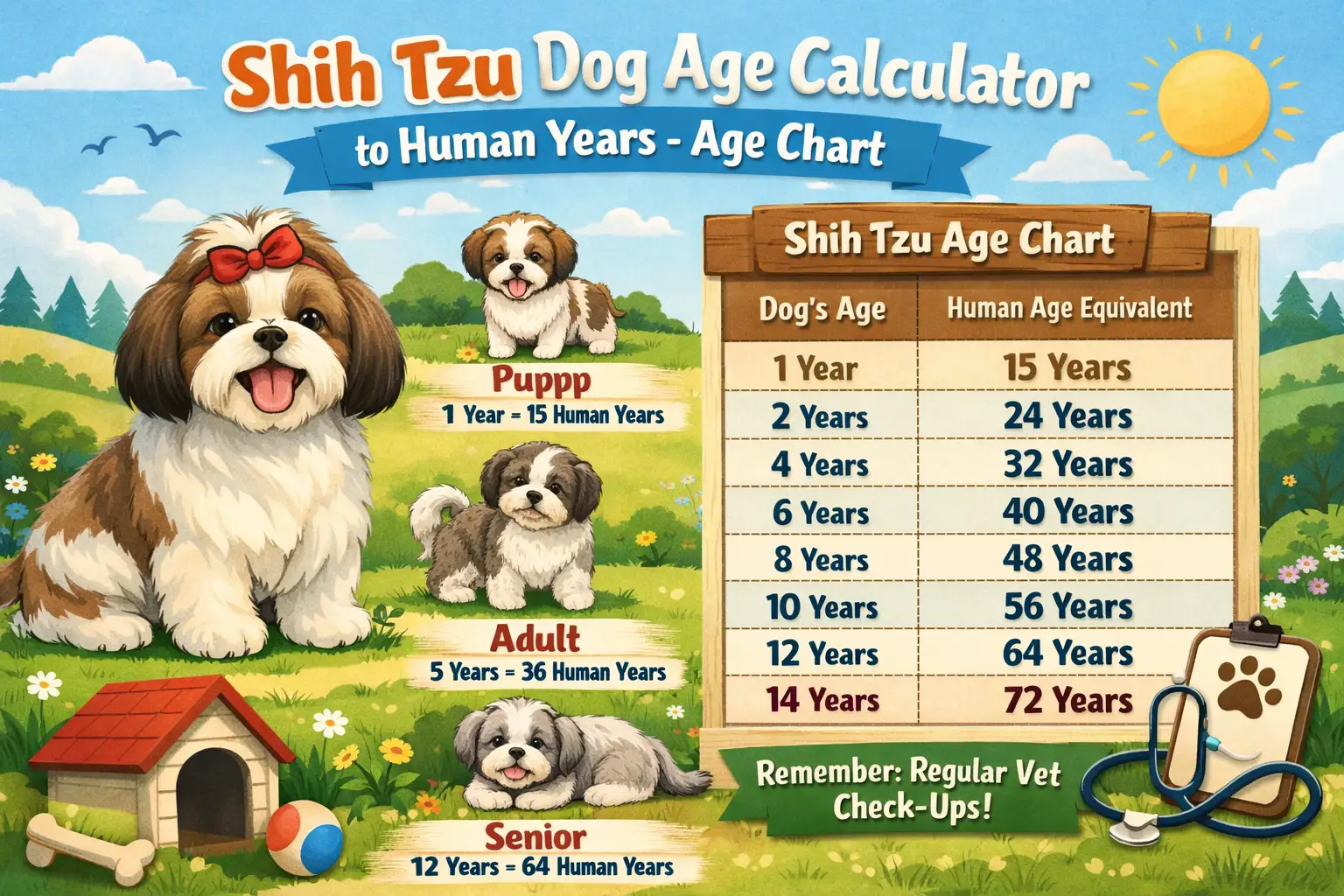
Want to check your Shih Tzu’s age in human years? Use the Shih Tzu Dog Age Calculator to estimate your dog’s human-age equivalent based on breed-specific aging logic.
The breed’s roots trace back over a thousand years to ancient China, where Shih Tzus were closely associated with royal households. These small, long-coated dogs were valued as indoor companions rather than outdoor workers. They were not bred to hunt, herd, or guard property; they were selectively developed to be gentle, alert, affectionate dogs that could live closely with people.
It is widely believed that Shih Tzus came from crosses between Tibetan temple dogs and small Chinese companion breeds. Over time, selective breeding refined the Shih Tzu’s recognizable appearance: a short muzzle, large expressive eyes, sturdy body, curved tail, and flowing coat. Just as importantly, breeders preserved the breed’s people-oriented personality.
Because of this background, many Shih Tzus are emotionally responsive dogs. They often follow their owners from room to room, enjoy lap time, and prefer staying close instead of acting independently for long periods. This makes the breed especially popular with apartment dwellers, seniors, families, and people looking for a calm indoor companion.
Today, the Shih Tzu remains one of the most recognizable toy companion breeds because of its manageable size, affectionate personality, and adaptability to different home environments.
Shih Tzu Breed Snapshot
| Trait | Details |
|---|---|
| Breed Type | Small companion dog |
| Breed Group | Toy / Companion |
| Country of Origin | China |
| Original Purpose | Royal indoor companion |
| Typical Height | About 9-10.5 inches |
| Typical Weight | About 9-16 pounds |
| Temperament | Affectionate, alert, playful, people-oriented |
| Energy Level | Low to moderate |
| Best For | Families, seniors, apartment dwellers, indoor homes |
| Age Tool | Shih Tzu Dog Age Calculator |
This snapshot highlights the most important point about the Shih Tzu dog: it was designed for close human companionship, not demanding physical work. Understanding that foundation makes the breed’s temperament, care needs, grooming demands, and aging pattern easier to understand.
Shih Tzu Appearance, Size, and Physical Characteristics
The Shih Tzu dog may be small, but it has a sturdy and balanced body. Many first-time owners are surprised that a full-grown Shih Tzu feels heavier and more solid than expected. This is because the breed has a compact frame with good bone structure rather than a fragile body type.
A full-grown Shih Tzu is usually low to the ground, slightly longer than tall, and built for comfortable indoor movement. Even though this is a toy breed, a healthy Shih Tzu can handle normal daily activity, short walks, indoor play, and regular household routines.
One of the most noticeable Shih Tzu features is the face. The breed has a short muzzle and flat-faced structure, often described as brachycephalic. Their large, round eyes give them a gentle and expressive look, but this face shape also means owners need to be careful with heat, heavy exercise, and breathing stress.
The coat is another major Shih Tzu characteristic. Shih Tzus have a long double coat with a soft inner layer and a longer outer layer. The coat can keep growing, which is why grooming is a major part of Shih Tzu care. Common coat colors include gold, white, black, brown, gray, liver, brindle, and mixed color patterns.
The tail is usually set high and curves over the back, often blending into the long coat. When moving, a healthy Shih Tzu should have a smooth, steady gait rather than a rushed or uneven movement.
Shih Tzu Size and Appearance at a Glance
| Feature | Typical Details |
|---|---|
| Height | About 9-10.5 inches |
| Weight | Around 9-16 pounds |
| Body Type | Compact, sturdy, slightly longer than tall |
| Breed Size | Small / toy breed |
| Coat Type | Long double coat |
| Shedding | Low shedding, but high grooming needs |
| Common Colors | Gold, white, black, brown, gray, liver, brindle, mixed |
| Face Shape | Short muzzle, flat-faced structure |
| Tail | Curved over the back |
Shih Tzu puppies often look rounder and fluffier, while adult Shih Tzus develop a more defined body shape as they mature. Their small size makes them suitable for apartments and indoor living, but their grooming needs and heat sensitivity should be taken seriously.
Shih Tzu Temperament, Personality, and Real-Life Behavior
The Shih Tzu temperament is usually affectionate, alert, playful, and people-oriented. This breed was developed to stay close to humans, and that shows in everyday behavior. Many Shih Tzus enjoy sitting near their owners, following family members around the home, and being involved in normal daily routines.
Most Shih Tzus are calm indoors and do not need intense exercise. They usually enjoy short walks, light play, attention, and companionship more than high-energy outdoor activity. Some Shih Tzus are playful and outgoing, while others are quieter and more relaxed.
With family members, Shih Tzus are usually gentle, loyal, and affectionate. They may form a strong bond with one person while still being friendly with the rest of the household. Because they are companion dogs, many Shih Tzus do not enjoy being left alone for long periods and may become anxious, bored, or vocal if ignored too often.
Around strangers, Shih Tzus are often alert at first. They may bark when someone arrives, but this is usually alert behavior rather than true aggression. With proper socialization, most Shih Tzus warm up quickly and remain friendly in normal social situations.
Shih Tzus can do well with children when the children are calm and gentle. Because the breed is small, rough handling can frighten or injure them. Older children who understand how to respect a dog are usually a better match. Shih Tzus can also live well with other pets, especially when introductions are handled slowly and positively.
One real-life Shih Tzu personality trait owners often notice is independence. Shih Tzus are smart, but they may not always respond like highly obedient working breeds. They can be loving and stubborn at the same time, which is why patient training works better than harsh correction.
Shih Tzu Temperament at a Glance
| Trait | What to Expect |
|---|---|
| Affection Level | Very high |
| Energy Level | Low to moderate |
| Attachment to Owners | Strong |
| Personality | Friendly, alert, affectionate, sometimes stubborn |
| Barking | Moderate, usually alert-based |
| With Children | Good with gentle children |
| With Other Pets | Usually friendly with proper introductions |
| Independence | Medium |
| Alone-Time Tolerance | Low to medium |
Overall, the Shih Tzu temperament is best described as companion-first. These dogs are usually happiest when they feel loved, safe, and included in normal family life. Their personality is affectionate and social, but they can also be independent enough to need patient training and consistent routines.
Shih Tzu Care Needs: Exercise, Training, Grooming, and Daily Routine
The Shih Tzu dog is often seen as an easy indoor pet, but this breed still needs daily care to stay healthy and comfortable. The main difference is that Shih Tzus usually need less intense exercise than larger breeds, but more grooming, dental care, and heat protection than many new owners expect.
Most Shih Tzus do well with short daily walks and light indoor play. About 20 to 30 minutes of activity per day is usually enough for an adult Shih Tzu. They enjoy slow walks, simple games, short training sessions, and time with their owners. Heavy outdoor exercise is not ideal, especially in hot or humid weather, because their flat-faced structure can make breathing and cooling down harder.
Mental activity matters too. Shih Tzus are smart, people-focused dogs, and they can become bored if their day has no interaction. Short reward-based training, gentle play, food puzzles, and predictable routines can help reduce barking, stubbornness, and attention-seeking behavior.
Training a Shih Tzu takes patience. They are intelligent but can be strong-minded, and house training is often one of the slower areas for this breed. They usually respond best to praise, treats, repetition, and calm correction. For a deeper training breakdown, see the Shih Tzu Dog General Training Guide.
Grooming is one of the biggest responsibilities of owning a Shih Tzu. Even though the breed is often considered low-shedding, the coat can grow long and tangle quickly. Without regular brushing, mats can form around the ears, legs, belly, and tail. Many owners choose a short puppy cut to make grooming easier. For detailed coat care, visit the Shih Tzu Dog Grooming Basics.
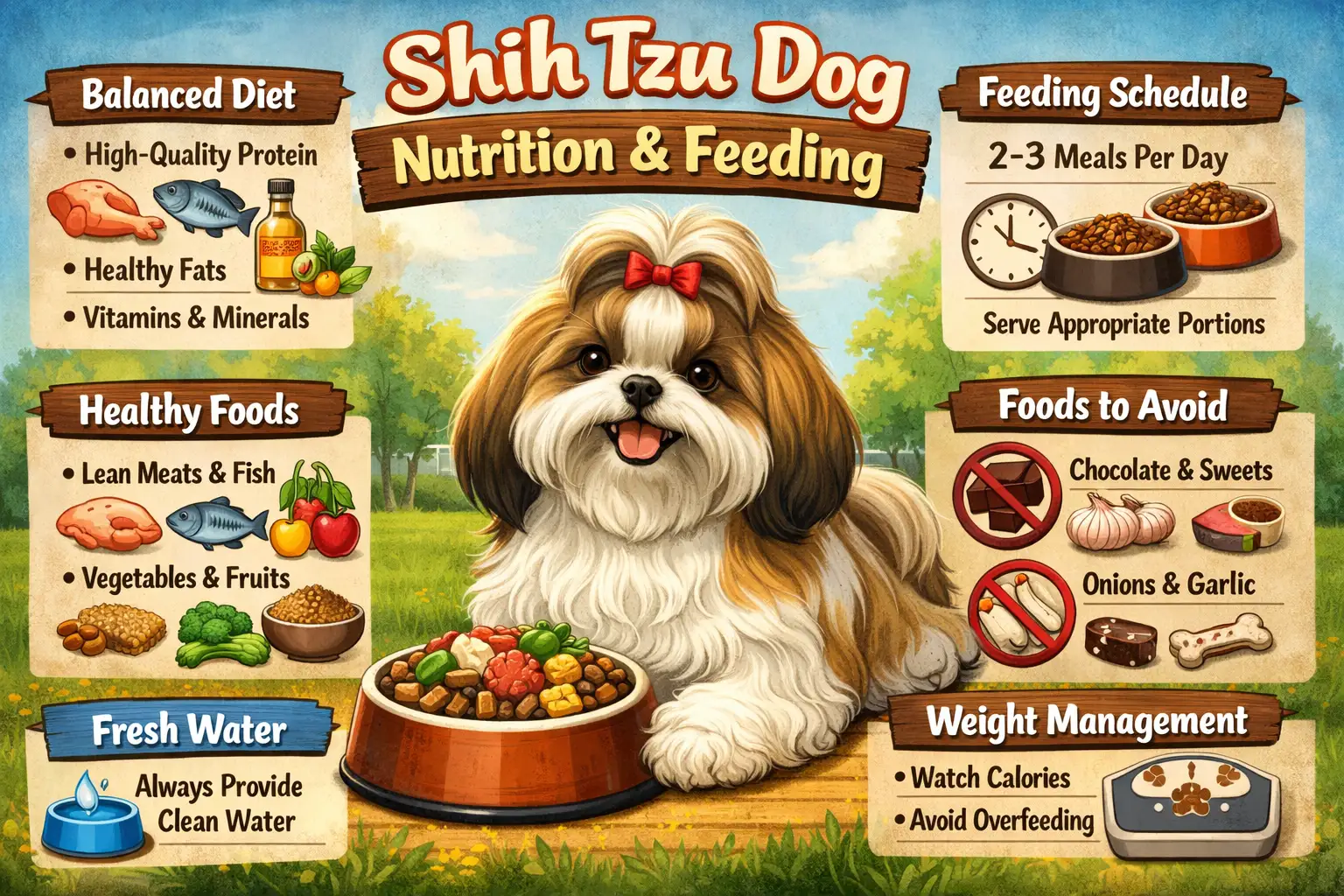
Feeding also affects coat quality, energy, weight, and long-term health. Because Shih Tzus are small dogs, even small changes in food amount can affect body condition. For meal guidance, see the Shih Tzu Dog Nutrition and Feeding Guide.
Daily Care Requirements at a Glance
| Care Area | What It Looks Like |
|---|---|
| Daily Exercise | 20-30 minutes of light activity |
| Indoor Suitability | Very good for apartments and small homes |
| Mental Stimulation | Short training, play, attention, and routine |
| Training Difficulty | Medium; patience is important |
| House Training | Can be slower than some breeds |
| Alone Time | Best in short periods only |
| Heat Sensitivity | High; avoid intense heat and overexertion |
Grooming and Maintenance Overview
| Grooming Task | Recommended Frequency |
|---|---|
| Brushing | Daily for long coats; several times weekly for short cuts |
| Bathing | Every 3-4 weeks or as needed |
| Professional Grooming | Every 4-8 weeks |
| Tear Cleaning | Often, especially around the eyes |
| Dental Care | Very important because small breeds are prone to dental buildup |
| Nail Trimming | Usually every few weeks |
Because of their face shape, Shih Tzus can struggle in hot weather. They should always have access to shade, water, airflow, and cool indoor spaces. Short walks early in the morning or later in the evening are usually safer than midday walks during warm weather.
In short, Shih Tzus are usually low-energy dogs but high-maintenance grooming dogs. Owners who are ready for regular coat care, dental care, training consistency, and heat protection usually do very well with this breed.
Shih Tzu Health, Lifespan, Costs, Pros and Cons, and Age Planning
The Shih Tzu dog is generally a long-living breed when given proper care. Many Shih Tzus live around 12 to 16 years, and some remain active well into their senior stage. Because this breed often lives for many years, owners should understand not only health risks, but also how a Shih Tzu’s age changes across puppy, adult, mature, and senior life stages.
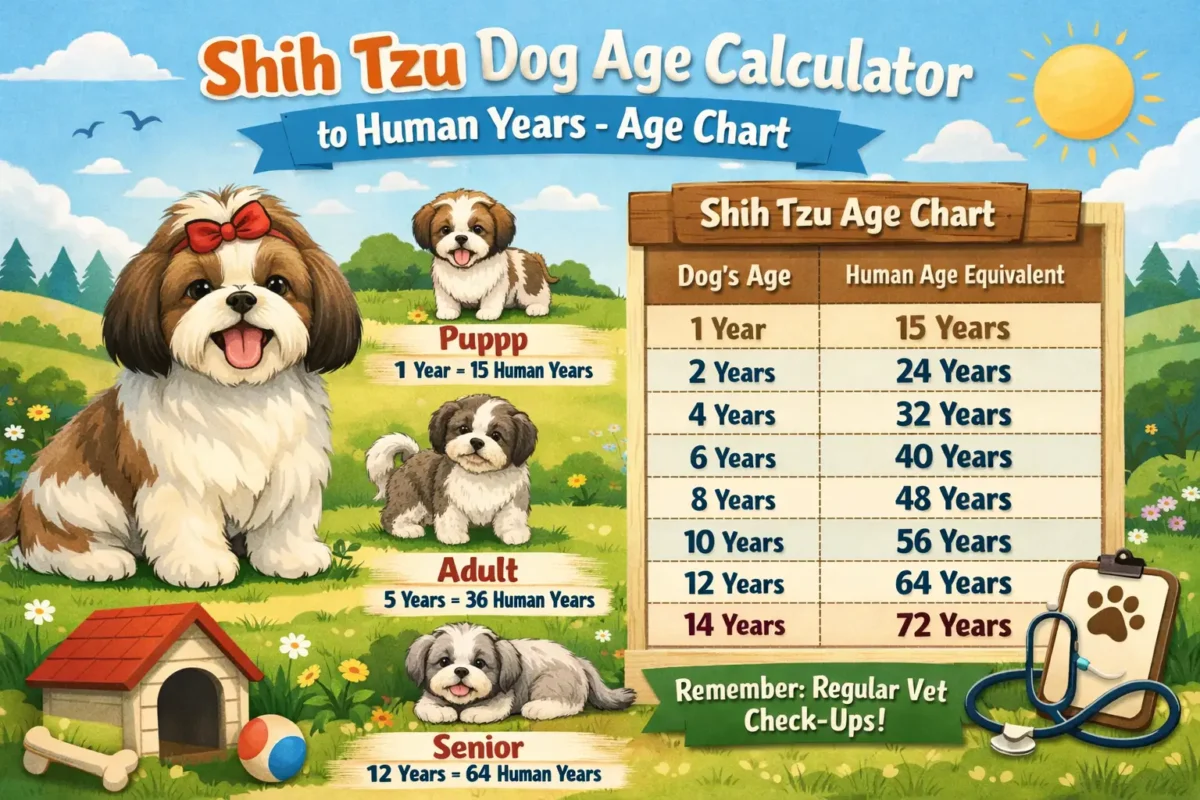
To estimate your dog’s age in human years, use the Shih Tzu Dog Age Calculator. For a broader life-stage breakdown, see the Shih Tzu Dog Age Chart.
Common Shih Tzu health concerns are often connected to the breed’s small size, flat face, eyes, teeth, and joints. Breathing difficulty can become more noticeable in heat, during stress, or after too much exercise. Their large eyes may be more exposed to irritation, and their small mouths can make dental care especially important.
Weight control matters as Shih Tzus age. Extra weight can make breathing, movement, joint strain, and overall comfort worse. Regular vet visits, careful feeding, dental care, grooming, and age-appropriate activity all support better long-term health.
Shih Tzu Health Overview
| Health Area | What Owners Should Know |
|---|---|
| Average Lifespan | Usually around 12-16 years |
| Breathing Issues | Can be sensitive to heat, stress, and overexertion |
| Eye Problems | Large eyes may need regular cleaning and monitoring |
| Dental Health | High priority because small breeds can develop buildup quickly |
| Joint Issues | Knee and mobility issues may appear with age |
| Weight Management | Important for breathing, joints, and senior comfort |
| Vet Visits | Regular checkups are important throughout life |
Owning a Shih Tzu also comes with ongoing costs. Puppy price, grooming, food, vet care, dental care, and supplies can vary based on location and care level. Since grooming is one of the biggest repeat expenses for this breed, owners should plan for it before bringing a Shih Tzu home. For a full breakdown, visit the Shih Tzu Dog Cost of Ownership Guide.
Shih Tzu Pros and Cons
| Pros | Cons |
|---|---|
| Very affectionate and loyal companion | Needs frequent grooming and coat care |
| Great for apartments and indoor living | Can struggle in hot weather |
| Low to moderate exercise needs | House training can take patience |
| Usually friendly with people and pets | May not like being left alone for long periods |
| Good choice for calm homes and gentle families | Needs regular dental care and eye care |
| Long lifespan compared with many larger breeds | Can become stubborn without consistent training |
The biggest advantages of a Shih Tzu are companionship, affection, adaptability, and manageable exercise needs. The biggest disadvantages are grooming responsibility, heat sensitivity, possible stubbornness, and the need for regular health maintenance. This is why the breed is excellent for some homes but frustrating for owners who want a low-maintenance dog.
Is a Shih Tzu Right for You?
A Shih Tzu is usually a good match for people who want a calm indoor dog, enjoy close companionship, live in an apartment or smaller home, and are willing to commit to grooming and daily care.
- Choose a Shih Tzu if you want an affectionate companion dog.
- Choose a Shih Tzu if you prefer short walks instead of intense exercise.
- Choose a Shih Tzu if you can manage grooming, dental care, and eye care.
- Choose a Shih Tzu if your home is calm, indoor-focused, and temperature-controlled.
A Shih Tzu may not be the best choice if you want a highly athletic dog, are away from home all day, dislike grooming responsibility, or live in a very hot environment without reliable cooling.
- Avoid this breed if you want a dog for long runs or intense outdoor activity.
- Avoid this breed if you cannot commit to coat maintenance.
- Avoid this breed if your dog must stay alone for long periods every day.
- Avoid this breed if you want a very independent, low-attention dog.
Shih Tzus are not working dogs or outdoor dogs. They are companion dogs made to live close to people. If you want a gentle, loving breed and are ready for the grooming, training, health, and age-related care they need, the Shih Tzu can be a wonderful long-term companion.
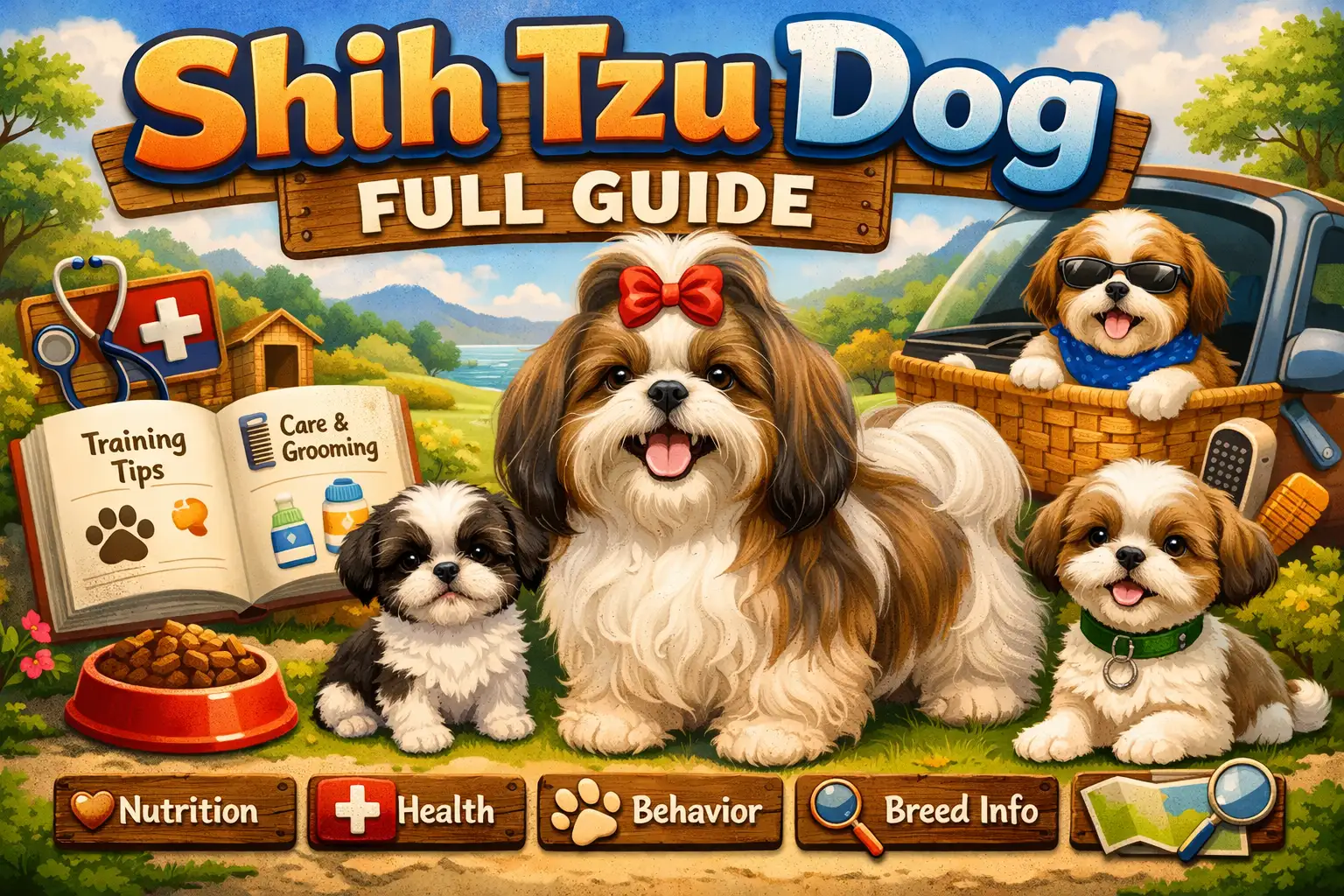
What This Shih Tzu Dog Guide Covers
- Shih Tzu breed origin and companion-dog background
- Shih Tzu size, appearance, coat type, and physical traits
- Shih Tzu temperament, personality, barking, and family behavior
- Daily care needs, including exercise, grooming, training, and feeding
- Health concerns, lifespan, aging stages, and senior care planning
- Shih Tzu pros and cons for future owners
- Common questions people ask before choosing a Shih Tzu
Shih Tzu Dog FAQs
Are Shih Tzus good dogs?
Yes, Shih Tzus are good dogs for the right owner. They are affectionate, loyal, people-focused, and well suited to indoor living. They are especially good for families, seniors, apartment dwellers, and owners who want a calm companion dog. However, they are not completely low-maintenance because they need regular grooming, dental care, and attention.
What is the personality of a Shih Tzu?
The Shih Tzu personality is usually friendly, affectionate, alert, playful, and sometimes stubborn. Most Shih Tzus enjoy being close to their owners and like being part of daily household routines. They are companion dogs first, so they usually prefer attention and closeness over independence.
Are Shih Tzus calm or hyper?
Most Shih Tzus are calm indoors, especially as adults. Puppies can be playful and energetic in short bursts, but the breed is generally low to moderate energy. A Shih Tzu usually does best with short walks, indoor play, attention, and a predictable routine rather than intense exercise.
Do Shih Tzus bark a lot?
Shih Tzus can bark, but they are not usually extreme barkers when properly trained and socialized. Their barking is often alert-based, especially when someone comes to the door or when they want attention. Boredom, loneliness, and inconsistent routines can make barking worse.
Are Shih Tzus easy to train?
Shih Tzus are intelligent, but they are not always the easiest breed to train because they can be independent and strong-minded. House training may take longer than expected. They respond best to short sessions, praise, treats, patience, and consistent routines. Harsh correction usually makes training harder.
Are Shih Tzus good with children?
Shih Tzus can be good with children when the children are gentle and respectful. Because Shih Tzus are small dogs, rough handling can scare or injure them. They are often a better match for calm children or older kids who understand how to interact safely with a small dog.
Are Shih Tzus expensive to maintain?
Shih Tzus can be moderately expensive to maintain because grooming is a regular cost. Owners should also plan for food, vet care, dental care, eye care, grooming tools, and possible professional grooming appointments. The breed is small, so food costs are usually manageable, but coat care and health maintenance should not be ignored.
Why do some people say Shih Tzus are the worst dog?
Some people say Shih Tzus are difficult because the breed can be stubborn, slow to house train, demanding of attention, sensitive to heat, and high-maintenance for grooming. These are real challenges, but they do not make the Shih Tzu a bad dog. They simply mean the breed is not right for every owner. A Shih Tzu is usually best for someone who wants a close companion and is ready for grooming, patience, and daily care.
What are common Shih Tzu health problems?
Common Shih Tzu health concerns can include breathing difficulty, heat sensitivity, eye irritation, dental disease, weight gain, and joint issues. Not every Shih Tzu will have these problems, but owners should monitor breathing, eyes, teeth, weight, and mobility throughout the dog’s life.
How long do Shih Tzus live?
Many Shih Tzus live around 12 to 16 years with proper care. Their lifespan depends on genetics, weight control, dental care, grooming, exercise, vet care, and overall lifestyle. Because they are long-living dogs, owners should plan for puppy, adult, mature, and senior life stages.
Is a Shih Tzu a good apartment dog?
Yes, the Shih Tzu is usually a good apartment dog. The breed is small, calm indoors, and does not need intense outdoor exercise. However, apartment owners still need to provide short walks, playtime, grooming, training, and enough attention to prevent boredom or barking.
Is a Shih Tzu good for first-time owners?
A Shih Tzu can be good for first-time owners who understand the grooming and training commitment. The breed is affectionate, small, and adaptable, but it is not maintenance-free. First-time owners should be ready for coat care, house training patience, dental care, and heat protection.

Ata Ur Rehman is the founder of Pet Age in Human Years Calculator, an educational platform that provides age conversion charts and lifespan guides for dogs, cats, birds, and other companion animals. His work focuses on helping pet owners understand how animal ages translate into human years using commonly accepted age conversion formulas and published lifespan averages.
The website compiles breed and species lifespan data from kennel clubs, breed organizations, and general animal lifespan studies to present simple and easy-to-understand guides for pet owners worldwide.
This website was created to centralize animal age conversion charts into one easy reference platform for pet owners.
This article is for general education. For symptoms, medication, diet changes, or health concerns, use a qualified veterinarian who can assess your individual pet.